
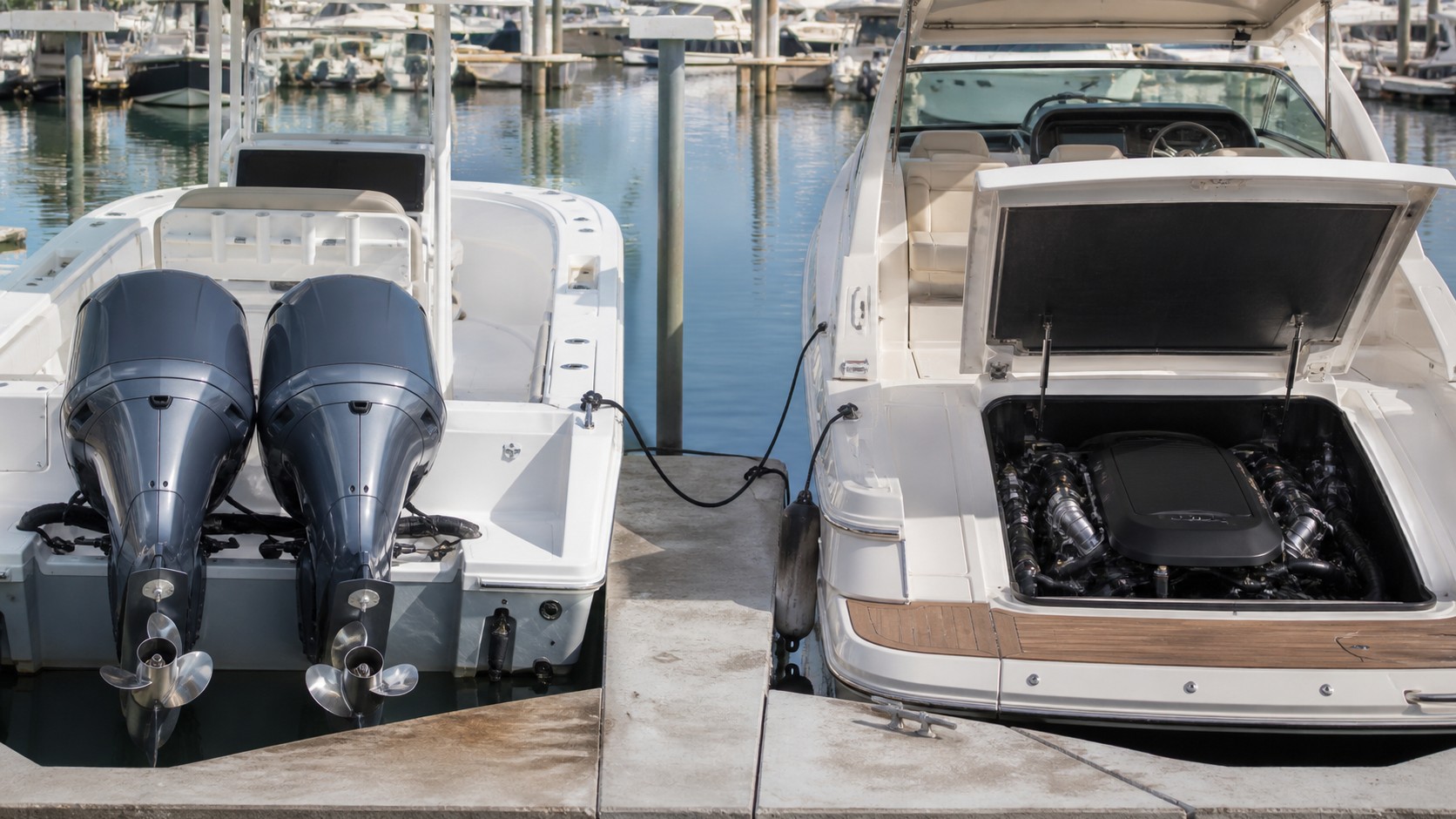
Outboard vs Inboard Engines: Which Is Best for Your Boat?
Outboard vs Inboard Engines: Which Is Best for Your Boat? is most useful when it is treated as a boating decision, not just a wish list. The right answer depends on water conditions, crew confidence, weather timing, gear limits, local support, and how the trip or purchase will feel after the first excited hour has passed. This guide is written for boat buyers comparing propulsion around handling, service access, deck space, cost, and use case and keeps the focus on choices that make days on the water calmer, clearer, and easier to repeat.
A:Start with the boat's real use, local service access, and the conditions it will face most often.
A:It depends on setup, installation quality, weight distribution, and whether the system is maintained correctly.
A:The right answer is the one that reduces friction during ordinary weekends, service days, and rushed departures.
A:Treat early warning signs seriously because small technical problems often become expensive when ignored.
A:Compare purchase cost, upkeep, repair access, lifespan, and how the choice affects the rest of the boat.
A:Choose the simpler option you understand, can inspect, and can support locally before chasing upgrades.
Start with the Boat's Job
Start with the Boat's Job matters because boating decisions are made in motion, in weather, and around other people. For boat buyers comparing propulsion around handling, service access, deck space, cost, and use case, the best approach is to connect the attractive idea with the ordinary details that decide whether the day runs smoothly. Think about distance, daylight, launch or marina support, dry storage, communication, and how easily the crew can reset if conditions change. When those basics are visible early, outboard vs inboard engines: which is best for your boat? becomes a practical plan rather than a vague hope.
A useful way to evaluate this section is to ask what would make the choice easier on a tired return. That perspective brings out details that are easy to ignore during planning: where gear will go, how much help is nearby, whether the route has alternatives, and what the least experienced person aboard will need. Strong boating plans usually feel a little conservative on paper because they leave room for weather, traffic, slower docking, and small delays.
Outboards Keep Service Visible
Outboards Keep Service Visible matters because boating decisions are made in motion, in weather, and around other people. For boat buyers comparing propulsion around handling, service access, deck space, cost, and use case, the best approach is to connect the attractive idea with the ordinary details that decide whether the day runs smoothly. Think about distance, daylight, launch or marina support, dry storage, communication, and how easily the crew can reset if conditions change. When those basics are visible early, outboard vs inboard engines: which is best for your boat? becomes a practical plan rather than a vague hope.
Inboards Protect Weight Low
Inboards Protect Weight Low matters because boating decisions are made in motion, in weather, and around other people. For boat buyers comparing propulsion around handling, service access, deck space, cost, and use case, the best approach is to connect the attractive idea with the ordinary details that decide whether the day runs smoothly. Think about distance, daylight, launch or marina support, dry storage, communication, and how easily the crew can reset if conditions change. When those basics are visible early, outboard vs inboard engines: which is best for your boat? becomes a practical plan rather than a vague hope.
A useful way to evaluate this section is to ask what would make the choice easier on a tired return. That perspective brings out details that are easy to ignore during planning: where gear will go, how much help is nearby, whether the route has alternatives, and what the least experienced person aboard will need. Strong boating plans usually feel a little conservative on paper because they leave room for weather, traffic, slower docking, and small delays.
Do not measure success only by distance, price, scenery, or novelty. A better measure is whether the choice supports confidence from departure to return. If the answer depends on perfect weather, flawless timing, or everyone pretending discomfort is fine, refine the plan before committing. The best boating experiences feel generous because the core details have been handled before the water starts asking its own questions.
Deck Space Changes the Choice
Deck Space Changes the Choice matters because boating decisions are made in motion, in weather, and around other people. For boat buyers comparing propulsion around handling, service access, deck space, cost, and use case, the best approach is to connect the attractive idea with the ordinary details that decide whether the day runs smoothly. Think about distance, daylight, launch or marina support, dry storage, communication, and how easily the crew can reset if conditions change. When those basics are visible early, outboard vs inboard engines: which is best for your boat? becomes a practical plan rather than a vague hope.
A useful way to evaluate this section is to ask what would make the choice easier on a tired return. That perspective brings out details that are easy to ignore during planning: where gear will go, how much help is nearby, whether the route has alternatives, and what the least experienced person aboard will need. Strong boating plans usually feel a little conservative on paper because they leave room for weather, traffic, slower docking, and small delays.
Handling Feels Different at Low Speed
Handling Feels Different at Low Speed matters because boating decisions are made in motion, in weather, and around other people. For boat buyers comparing propulsion around handling, service access, deck space, cost, and use case, the best approach is to connect the attractive idea with the ordinary details that decide whether the day runs smoothly. Think about distance, daylight, launch or marina support, dry storage, communication, and how easily the crew can reset if conditions change. When those basics are visible early, outboard vs inboard engines: which is best for your boat? becomes a practical plan rather than a vague hope.
Fuel and Range Depend on Setup
Fuel and Range Depend on Setup matters because boating decisions are made in motion, in weather, and around other people. For boat buyers comparing propulsion around handling, service access, deck space, cost, and use case, the best approach is to connect the attractive idea with the ordinary details that decide whether the day runs smoothly. Think about distance, daylight, launch or marina support, dry storage, communication, and how easily the crew can reset if conditions change. When those basics are visible early, outboard vs inboard engines: which is best for your boat? becomes a practical plan rather than a vague hope.
A useful way to evaluate this section is to ask what would make the choice easier on a tired return. That perspective brings out details that are easy to ignore during planning: where gear will go, how much help is nearby, whether the route has alternatives, and what the least experienced person aboard will need. Strong boating plans usually feel a little conservative on paper because they leave room for weather, traffic, slower docking, and small delays.
Saltwater Access Matters
Saltwater Access Matters matters because boating decisions are made in motion, in weather, and around other people. For boat buyers comparing propulsion around handling, service access, deck space, cost, and use case, the best approach is to connect the attractive idea with the ordinary details that decide whether the day runs smoothly. Think about distance, daylight, launch or marina support, dry storage, communication, and how easily the crew can reset if conditions change. When those basics are visible early, outboard vs inboard engines: which is best for your boat? becomes a practical plan rather than a vague hope.
A useful way to evaluate this section is to ask what would make the choice easier on a tired return. That perspective brings out details that are easy to ignore during planning: where gear will go, how much help is nearby, whether the route has alternatives, and what the least experienced person aboard will need. Strong boating plans usually feel a little conservative on paper because they leave room for weather, traffic, slower docking, and small delays.
Do not measure success only by distance, price, scenery, or novelty. A better measure is whether the choice supports confidence from departure to return. If the answer depends on perfect weather, flawless timing, or everyone pretending discomfort is fine, refine the plan before committing. The best boating experiences feel generous because the core details have been handled before the water starts asking its own questions.
Noise and Vibration Affect Comfort
Noise and Vibration Affect Comfort matters because boating decisions are made in motion, in weather, and around other people. For boat buyers comparing propulsion around handling, service access, deck space, cost, and use case, the best approach is to connect the attractive idea with the ordinary details that decide whether the day runs smoothly. Think about distance, daylight, launch or marina support, dry storage, communication, and how easily the crew can reset if conditions change. When those basics are visible early, outboard vs inboard engines: which is best for your boat? becomes a practical plan rather than a vague hope.
Winterization Changes Ownership
Winterization Changes Ownership matters because boating decisions are made in motion, in weather, and around other people. For boat buyers comparing propulsion around handling, service access, deck space, cost, and use case, the best approach is to connect the attractive idea with the ordinary details that decide whether the day runs smoothly. Think about distance, daylight, launch or marina support, dry storage, communication, and how easily the crew can reset if conditions change. When those basics are visible early, outboard vs inboard engines: which is best for your boat? becomes a practical plan rather than a vague hope.
A useful way to evaluate this section is to ask what would make the choice easier on a tired return. That perspective brings out details that are easy to ignore during planning: where gear will go, how much help is nearby, whether the route has alternatives, and what the least experienced person aboard will need. Strong boating plans usually feel a little conservative on paper because they leave room for weather, traffic, slower docking, and small delays.
Repairs Follow Different Paths
Repairs Follow Different Paths matters because boating decisions are made in motion, in weather, and around other people. For boat buyers comparing propulsion around handling, service access, deck space, cost, and use case, the best approach is to connect the attractive idea with the ordinary details that decide whether the day runs smoothly. Think about distance, daylight, launch or marina support, dry storage, communication, and how easily the crew can reset if conditions change. When those basics are visible early, outboard vs inboard engines: which is best for your boat? becomes a practical plan rather than a vague hope.
A useful way to evaluate this section is to ask what would make the choice easier on a tired return. That perspective brings out details that are easy to ignore during planning: where gear will go, how much help is nearby, whether the route has alternatives, and what the least experienced person aboard will need. Strong boating plans usually feel a little conservative on paper because they leave room for weather, traffic, slower docking, and small delays.
Do not measure success only by distance, price, scenery, or novelty. A better measure is whether the choice supports confidence from departure to return. If the answer depends on perfect weather, flawless timing, or everyone pretending discomfort is fine, refine the plan before committing. The best boating experiences feel generous because the core details have been handled before the water starts asking its own questions.
Resale Depends on Local Preference
Resale Depends on Local Preference matters because boating decisions are made in motion, in weather, and around other people. For boat buyers comparing propulsion around handling, service access, deck space, cost, and use case, the best approach is to connect the attractive idea with the ordinary details that decide whether the day runs smoothly. Think about distance, daylight, launch or marina support, dry storage, communication, and how easily the crew can reset if conditions change. When those basics are visible early, outboard vs inboard engines: which is best for your boat? becomes a practical plan rather than a vague hope.
Choose the Engine You Can Maintain
Choose the Engine You Can Maintain matters because boating decisions are made in motion, in weather, and around other people. For boat buyers comparing propulsion around handling, service access, deck space, cost, and use case, the best approach is to connect the attractive idea with the ordinary details that decide whether the day runs smoothly. Think about distance, daylight, launch or marina support, dry storage, communication, and how easily the crew can reset if conditions change. When those basics are visible early, outboard vs inboard engines: which is best for your boat? becomes a practical plan rather than a vague hope.
A useful way to evaluate this section is to ask what would make the choice easier on a tired return. That perspective brings out details that are easy to ignore during planning: where gear will go, how much help is nearby, whether the route has alternatives, and what the least experienced person aboard will need. Strong boating plans usually feel a little conservative on paper because they leave room for weather, traffic, slower docking, and small delays.