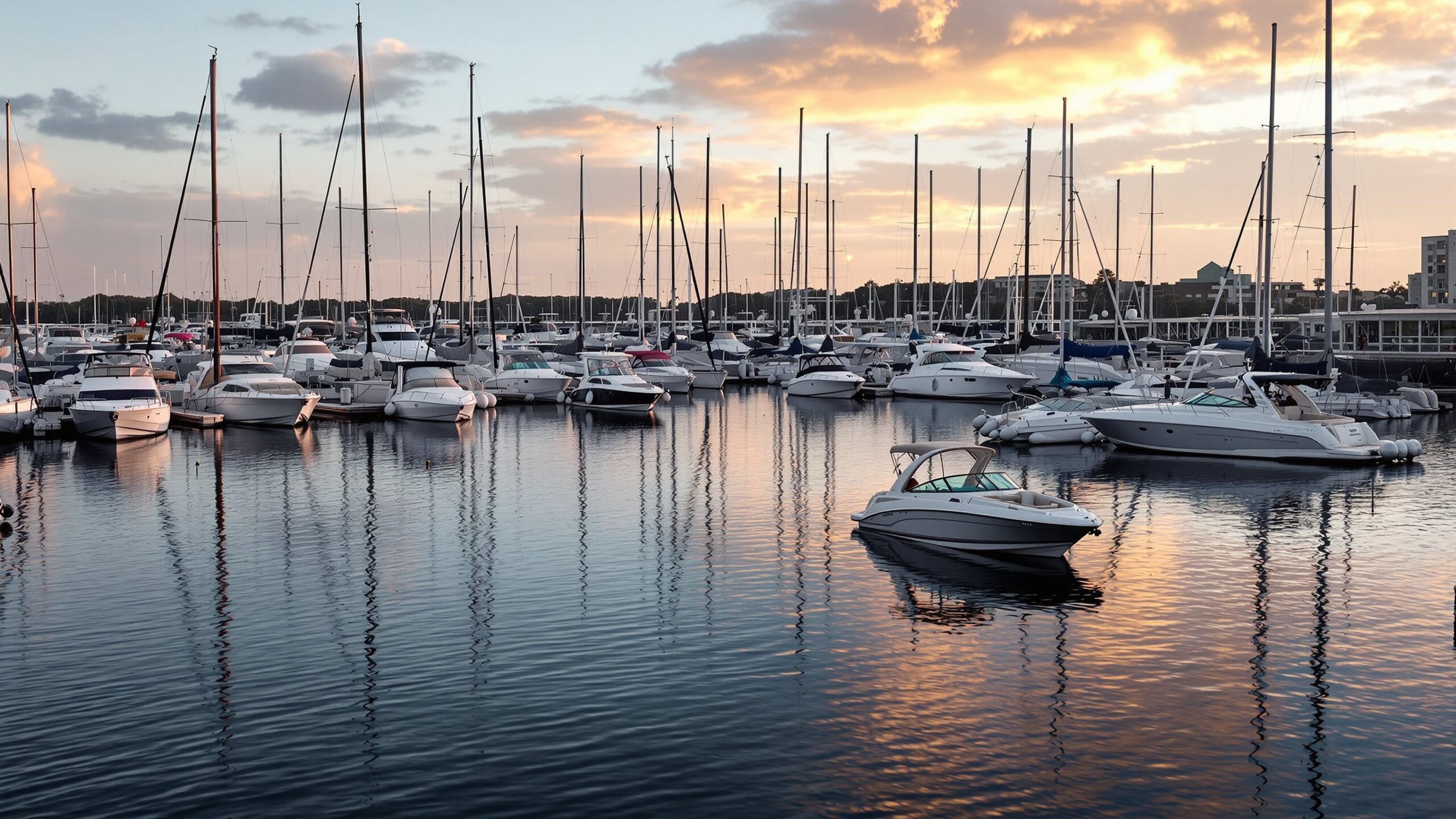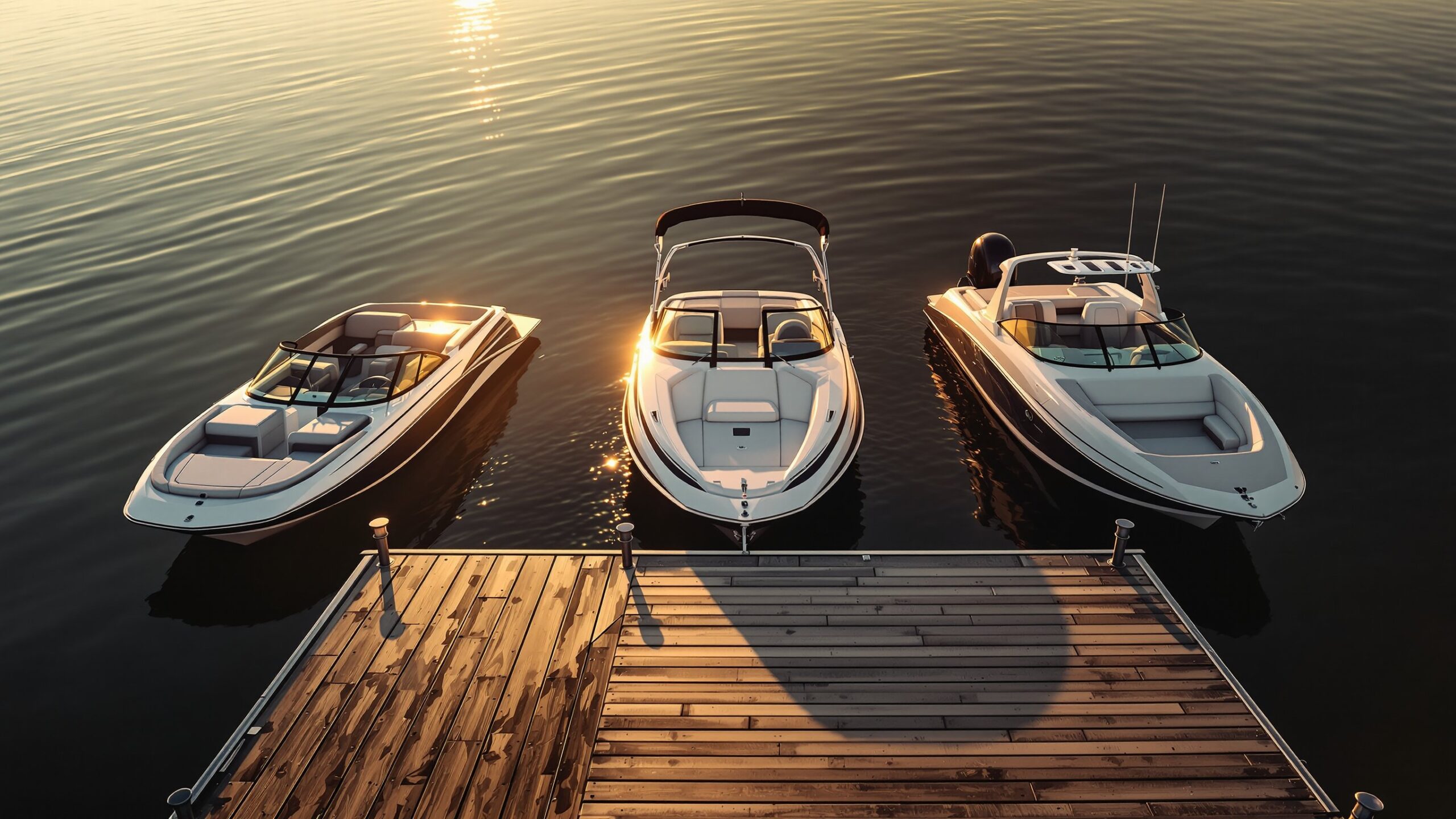
There’s something undeniably magnetic about life on the water—the hum of an engine, the open horizon, and the freedom to explore at your own pace. For beginners, stepping into the world of powerboats is both thrilling and slightly overwhelming. With dozens of boat types, engine options, and features to consider, choosing your first boat can feel like navigating unfamiliar waters. The good news is that the modern boating industry has evolved to make entry easier than ever. Today’s beginner-friendly powerboats are designed with intuitive controls, stable hulls, and low-maintenance systems that help new boaters build confidence quickly. Whether your dream is relaxing lake days with family, light watersports, or casual coastal cruising, there is a perfect starting point waiting for you. This complete Boat Streets guide breaks down everything you need to know—from choosing the right type of powerboat to understanding costs, features, and long-term ownership—so you can make a smart, confident first purchase.
A: Find and hold your most efficient cruise RPM—steady throttle usually beats constant speeding up and slowing down.
A: Not always. Many planing boats burn inefficiently just below plane; efficient on-plane cruise can be better for longer distances.
A: Trim out slowly until speed improves and RPM drops slightly; stop before porpoising, blowout, or steering feels light.
A: Yes—when used to level the boat and reduce drag from listing or bow-high running.
A: Often a lot. Slime and growth add drag quickly and can reduce speed while increasing fuel burn at the same RPM.
Why Powerboats Are Ideal for Beginners
Powerboats are widely considered the best entry point into boating because they are straightforward to operate and require less technical knowledge than sailboats. With throttle-based speed control and simple steering systems, most beginners can learn the basics in a single outing.
Modern designs also prioritize stability and predictability. Many beginner-friendly boats feature wide beams and carefully engineered hulls that reduce rocking and improve balance, making docking, cruising, and turning far less intimidating.
Another key advantage is versatility. A well-chosen powerboat can handle multiple activities—from cruising and swimming to light fishing and towing tubes—allowing beginners to explore different boating lifestyles without committing to a specialized vessel.
Understanding the Best Types of Powerboats for Beginners
Choosing the right type of boat is the most important decision you’ll make. For beginners, the goal is to find a balance between simplicity, versatility, and comfort.
Bowriders: The Ultimate All-Around Starter Boat
Bowriders are one of the most popular choices for first-time buyers—and for good reason. These boats feature open seating in both the front and rear, creating a social, family-friendly layout. They are typically easy to handle, responsive, and versatile enough for cruising, swimming, and light watersports.
Their manageable size and predictable handling make them especially appealing for beginners who want a balance of performance and comfort. Many models are designed specifically with new boaters in mind, offering intuitive controls and stable hull designs.
Pontoon Boats: Stability and Comfort First
Pontoon boats are often recommended as the easiest boats to learn on. Built on wide, buoyant tubes, they offer exceptional stability and a smooth ride, even for those who are completely new to boating.
They excel at leisurely cruising and social gatherings, with large seating areas and plenty of space for passengers. Their forgiving handling and slower speeds make them ideal for learning docking, anchoring, and navigation basics.
Center Console Boats: Simple and Versatile
Center console boats place the steering station in the middle, allowing easy movement around the deck. While often associated with fishing, smaller models are excellent beginner boats due to their simplicity and durability.
They are particularly well-suited for those who want to explore both recreational cruising and fishing, offering a flexible platform that can grow with your experience.
Deck Boats: Space and Entertainment
Deck boats combine the open space of pontoons with the performance of bowriders. They offer generous seating and wide decks, making them perfect for entertaining larger groups. For beginners who prioritize space and social experiences, deck boats provide a comfortable and easy-to-use option, especially in calm waters.
How to Choose the Right Size Powerboat
Size is one of the most critical factors when buying your first boat. While larger boats offer more space and amenities, they also require more skill to handle, higher costs, and increased maintenance. For beginners, smaller boats—typically between 16 and 22 feet—are often the best choice. They are easier to trailer, dock, and store, while still providing enough room for family and friends.
Capacity should also guide your decision. If you plan to boat with large groups, a pontoon or deck boat may be ideal. If your outings will involve just a few people, a compact bowrider or center console can provide a more manageable experience.
Engine Types: What Beginners Need to Know
Understanding engine configurations is essential when choosing a powerboat. The three most common options are outboard, inboard, and sterndrive engines.
Outboard engines are mounted on the back of the boat and are the most beginner-friendly option. They are easy to maintain, simple to operate, and widely available.
Inboard engines are built into the hull and are typically found in larger or more specialized boats. While they offer a smoother ride, they can be more complex for new owners.
Sterndrives combine elements of both systems, offering a balance between performance and efficiency. However, they may require more maintenance than outboards.
For beginners, outboard-powered boats are often the best starting point due to their simplicity and reliability.
Key Features to Look for in a Beginner Powerboat
When shopping for your first boat, certain features can significantly improve your experience and ease the learning curve.
Look for intuitive helm layouts with clearly labeled controls, comfortable seating, and good visibility from the driver’s position. Features like swim platforms, boarding ladders, and storage compartments enhance usability and convenience.
Modern technology also plays a growing role. GPS navigation, fish finders, and digital displays can make boating safer and more enjoyable, even for newcomers.
Stability and hull design should not be overlooked. Boats designed with beginner-friendly handling characteristics help reduce stress and build confidence on the water.
New vs. Used Powerboats: Which Is Better?
One of the biggest decisions beginners face is whether to buy new or used.
New boats offer the latest technology, warranties, and peace of mind. They are often easier to maintain and come with dealer support, making them a stress-free option for first-time buyers.
Used boats, on the other hand, can provide significant cost savings. They allow beginners to enter the boating world at a lower price point, though they may require more careful inspection and maintenance.
For many beginners, a well-maintained used boat can be an excellent starting point, offering value without sacrificing performance.
Understanding the True Cost of Ownership
The purchase price is only part of the equation when buying a boat. Ownership comes with additional costs that should be carefully considered. Fuel, maintenance, insurance, storage, and registration fees all contribute to the overall cost. Regular upkeep is essential to keep your boat in good condition and ensure safe operation. Storage options, such as marina slips or trailers, can vary significantly in price depending on location. Planning for these expenses in advance will help you avoid surprises and enjoy your boating experience without financial stress.
Where and How to Buy Your First Powerboat
Most beginners start their search online, researching models, prices, and features. However, visiting a dealership or boat show can provide valuable hands-on experience.
Seeing boats in person allows you to evaluate layout, comfort, and build quality. It also gives you the opportunity to speak with experts and ask questions.
A sea trial is one of the most important steps in the buying process. Testing a boat on the water helps you understand its handling, performance, and overall feel before making a commitment.
Safety and Learning the Basics
Before heading out on the water, new boaters should invest time in learning basic safety and navigation skills. Many states require a boating safety course, and even when not required, these courses are highly recommended.
Understanding navigation rules, weather conditions, and emergency procedures is essential for a safe and enjoyable experience.
Practicing docking, anchoring, and maneuvering in calm conditions will help build confidence and prepare you for more challenging situations.
Common Mistakes Beginners Should Avoid
One of the most common mistakes is buying a boat that is too large or too complex. While it may be tempting to invest in a bigger, more powerful vessel, starting small allows you to learn the basics without feeling overwhelmed.
Another mistake is underestimating ongoing costs. Proper budgeting ensures that you can maintain and enjoy your boat without financial strain. Finally, failing to match the boat to your lifestyle can lead to disappointment. The best boat is not the most expensive or feature-packed—it’s the one that fits how you plan to use it.
The Future of Beginner Powerboats
The boating industry continues to innovate, making boats more accessible and user-friendly than ever before. From electric propulsion systems to advanced navigation technology, modern boats are designed to simplify the experience for new users.
These advancements are lowering the barrier to entry, allowing more people to explore boating with confidence and ease.
Finding Your Perfect First Powerboat
Buying your first powerboat is more than a purchase—it’s the beginning of a lifestyle. The right boat will open the door to unforgettable experiences, from peaceful mornings on the water to exciting afternoons with friends and family.
For beginners, the key is to start simple. Choose a boat that is easy to handle, suits your needs, and fits your budget. Focus on learning the fundamentals, building confidence, and enjoying every moment on the water. With the right approach, your first powerboat won’t just be a stepping stone—it will be the start of a lifelong adventure.