
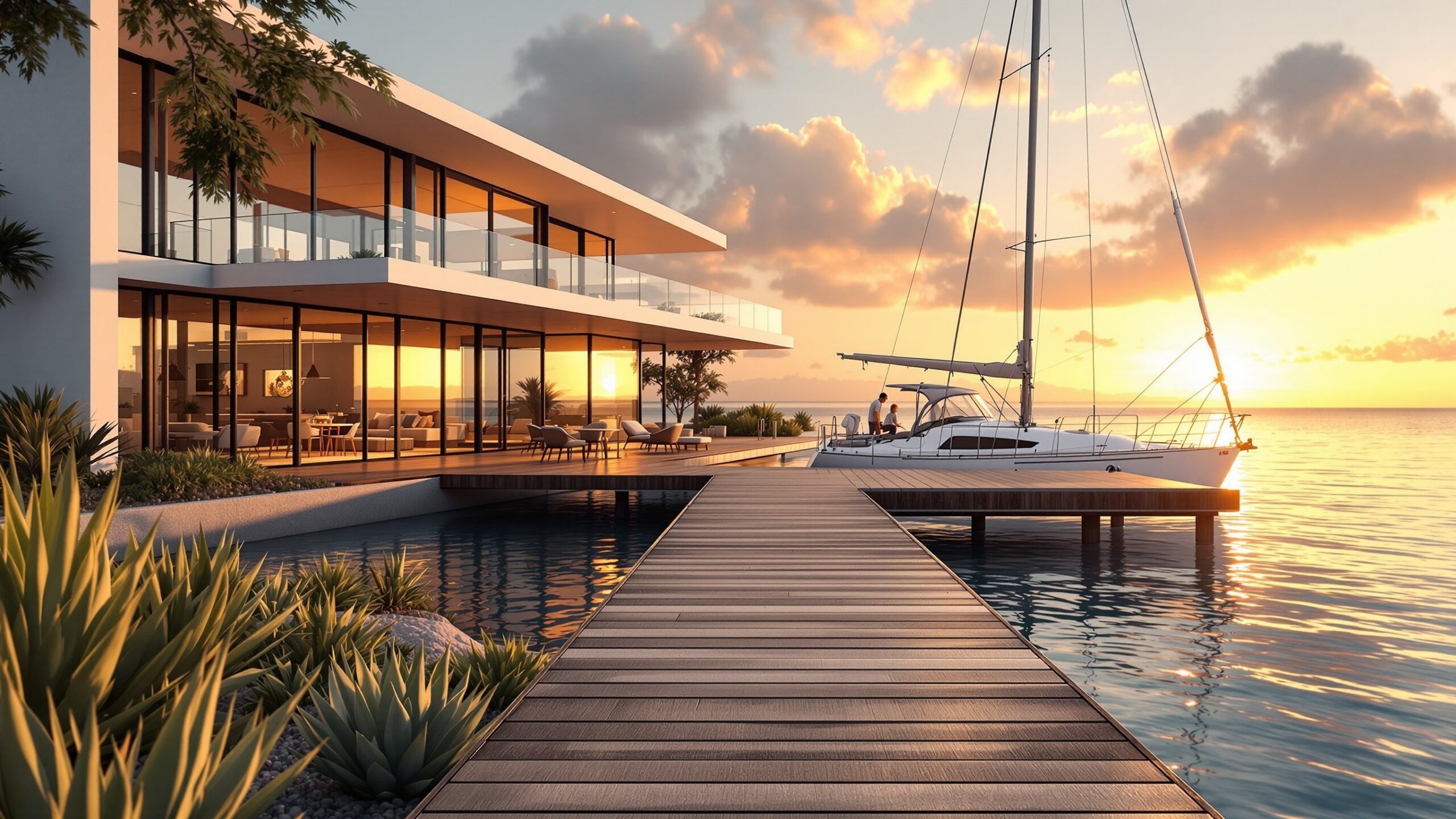
Boating isn’t just a pastime—it’s a lifestyle shaped by wind, water, and the unmistakable rhythm of the wake. Welcome to Boating Fashion & Gear Culture, where performance meets personality and every detail tells a story. From sun-washed deck shoes and weather-ready outerwear to high-tech sunglasses, marine watches, and smart safety gear, what you wear on the water is as important as the vessel beneath your feet. On Boat Streets, this category explores how style and seamanship intersect. We dive into the evolution of nautical trends, the craftsmanship behind marine-grade materials, and the cultural codes that define dockside confidence. Whether you’re cruising the coastline, anchoring for a sunset raft-up, or charting offshore adventures, your gear reflects your readiness—and your identity. Here, you’ll discover the essentials that blend comfort, durability, and design, along with insights into emerging innovations shaping the future of boating apparel and accessories. Because on the water, fashion isn’t about flash—it’s about function, freedom, and finding your signature look against an endless blue horizon.
A: Practice good seamanship—check weather, respect right-of-way, and keep a clean, prepared deck.
A: Knots are reliable “tools” that work wet, under load, and in the dark—tradition kept the best ones alive.
A: A nautical mile is based on Earth’s geometry and maps; it matches latitude math used in navigation.
A: VHF is made for the water—shared channels, better range in many areas, and faster coordination with nearby boats.
A: Approach slowly, use lines and fenders early, communicate clearly, and avoid blasting wakes in tight spaces.
A: Match anchor style to bottom type, carry enough rode, and practice setting—tradition favors what holds, not what’s trendy.
A: Going too fast near docks, skipping checklists, ignoring wind/current, and underestimating cold-water risk.
A: Wind causes leeway—traditional navigation accounts for sideways drift so you arrive where you intend.
A: Some are playful, some are safety reminders in disguise—either way they’re part of the culture.
A: Visit working harbors, maritime museums, tall-ship events, and local boat clubs—listen to the stories.