
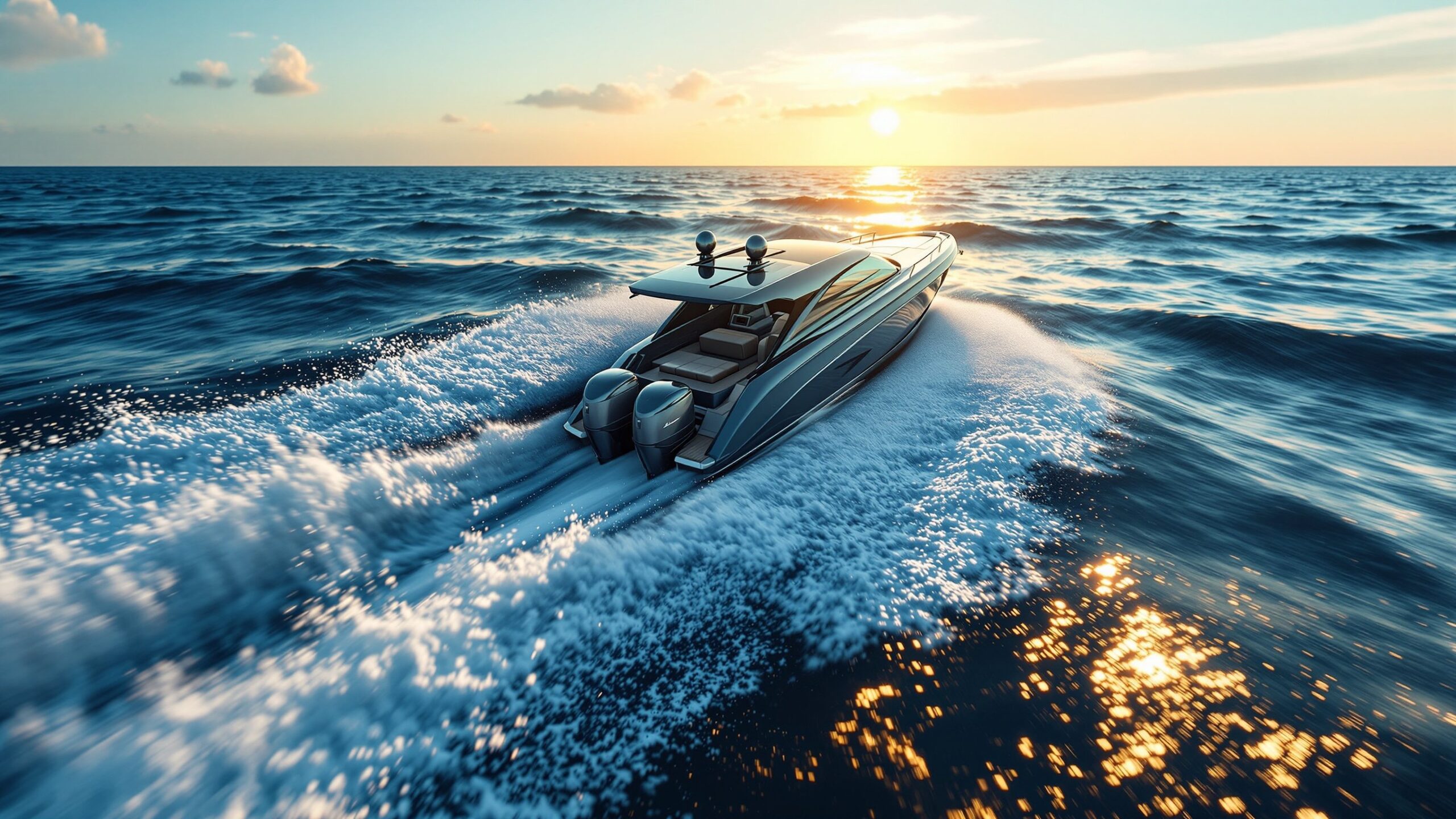
Boat engines are the beating heart of every adventure on the water. Whether you’re cruising across calm inland lakes, powering through coastal waves, or quietly gliding into a hidden fishing spot, the right propulsion system transforms a boat from a simple vessel into a powerful, responsive machine built for exploration. The world of Boat Engines & Propulsion is full of fascinating technology—from high-performance outboards and torque-rich inboards to advanced jet drives and innovative electric systems that are redefining modern boating. On this Boat Streets page, you’ll discover articles that break down the engines, propellers, and propulsion systems that keep boats moving with confidence and control. Learn how different engine types influence speed, fuel efficiency, handling, and maintenance. Explore the engineering behind propeller design, horsepower ratings, and drive systems that match specific boating styles—from fishing and watersports to long-distance cruising. Whether you’re a seasoned captain looking to upgrade your power setup or a new boater trying to understand how marine propulsion works, this hub will guide you through the mechanics, innovations, and smart decisions that help every boat run smoother, stronger, and farther across the water.
A: Check your WOT RPM at typical load—if you’re below range, drop pitch; above range, add pitch.
A: Kill switch lanyard, neutral, battery voltage/terminals, then fuel and spark.
A: Common causes are a weak impeller, clogged intake, stuck thermostat, or obstructed water passages.
A: Cavitation is vapor bubbles from pressure drop; ventilation is surface air entering the prop.
A: Stainless for performance and durability; aluminum for value and sacrificial impact protection.
A: Commonly every 1–2 seasons (or per manual), and immediately if the telltale weakens or you overheat.
A: Yes—especially with ethanol fuels and humid storage; it’s cheap insurance against stalls.
A: Dings/bends in the prop, fishing line on the shaft, hub slip, shaft misalignment, or worn mounts.
A: Usually start trimmed in for bite, then trim out gradually once on plane for efficiency and speed.
A: Run at an efficient cruise RPM, keep the hull clean, maintain the engine, and dial in trim/prop match.