
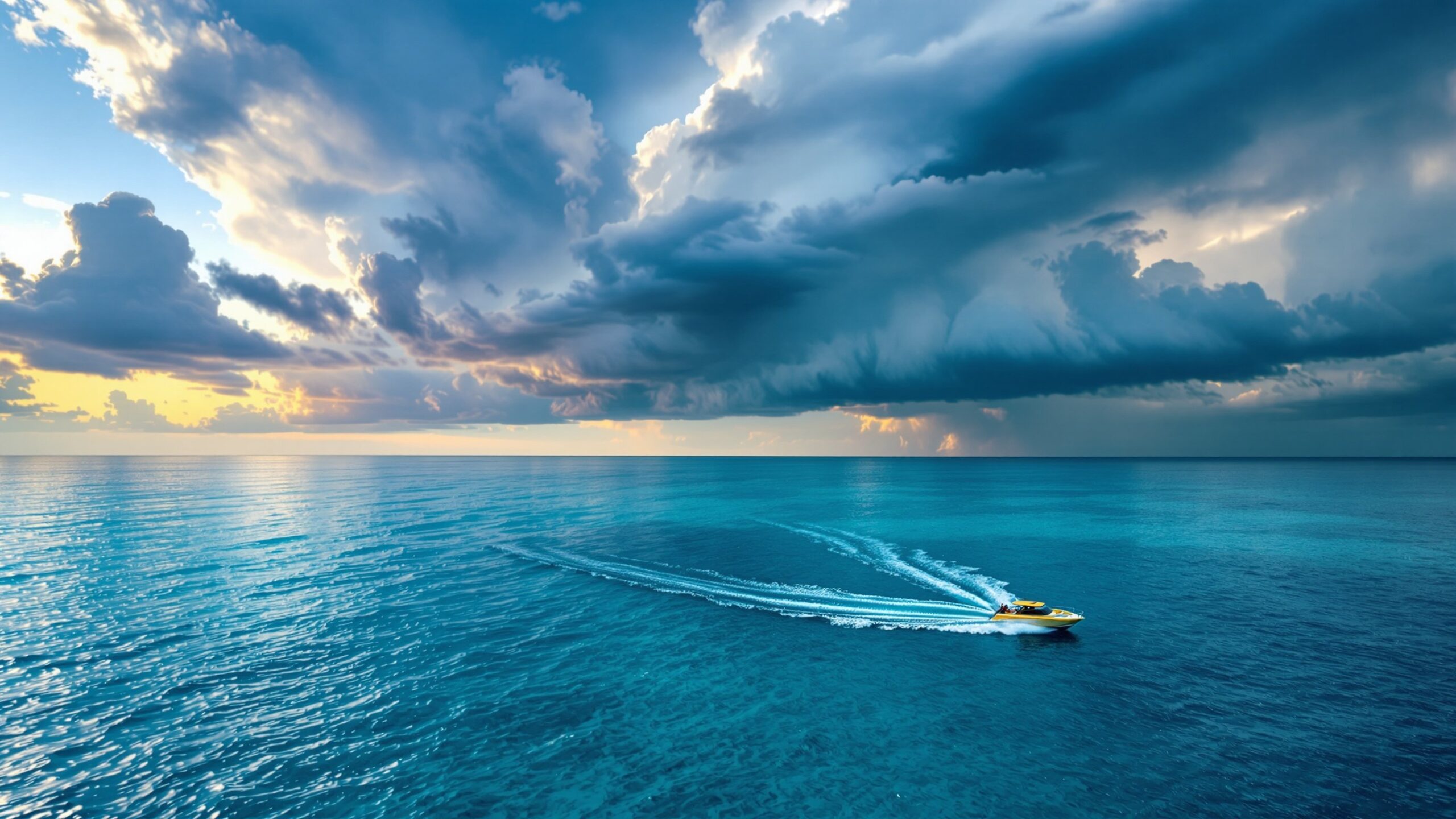
Weather is one of the most powerful forces a boater will ever encounter. Calm waters can transform quickly, winds can shift without warning, and distant storms can shape conditions miles away from where they first appear. Understanding how to read the sky, interpret marine forecasts, and anticipate changing conditions isn’t just useful—it’s essential for safe and confident boating. The Weather & Marine Forecasting hub on Boat Streets is designed to help boaters turn weather awareness into a true navigational advantage. Here you’ll explore guides that break down complex forecasts into practical insights, from reading wind patterns and pressure systems to understanding wave forecasts, storm alerts, and coastal weather behavior. Whether you’re cruising inland lakes, navigating open water, or planning offshore fishing trips, accurate forecasting helps you make smarter decisions before and during every voyage. These articles dive into the tools and techniques modern boaters rely on, including radar apps, marine weather models, buoy reports, and satellite data. Along the way, you’ll also learn timeless skills—like reading cloud formations, spotting approaching squalls, and recognizing subtle changes in wind and water. Because on the water, the best captains don’t just react to weather—they understand it.
A: Start with wind, wave height, storms, visibility, and the expected conditions during your return.
A: Afternoon winds commonly build, creating more chop than the calmer morning departure.
A: Not always; wind, lightning, reduced visibility, and current-driven wave action are often more serious.
A: It is the time between waves, and it helps describe whether water will feel rolling or sharply choppy.
A: It helps, but a marine-specific forecast is better because boating conditions vary by water zone.
A: It often suggests changing weather and can signal deteriorating conditions ahead.
A: It reduces your ability to see hazards, markers, shorelines, and other vessels.
A: Yes, because sudden gusts, lightning, and steep waves can overwhelm smaller vessels quickly.
A: At minimum before departure, during the outing, and again before heading back.
A: Use forecasts, observe the sky and water, and be willing to change plans early.