
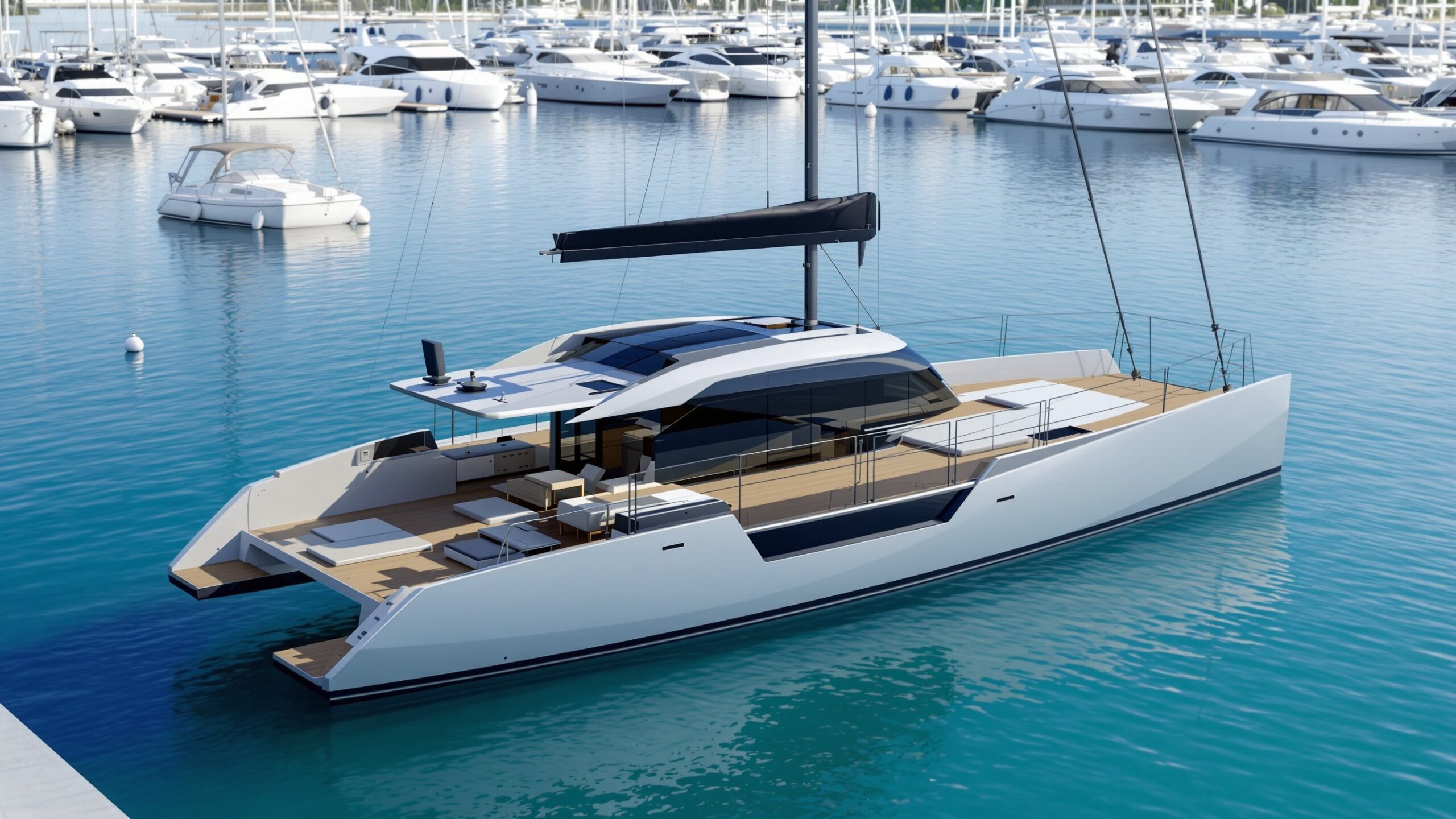
Welcome to Boat Anatomy & Terminology, your gateway to speaking the true language of life on the water. Every boat—whether a nimble skiff, a towering sportfisher, or a hardworking tug—has a personality shaped by its parts, proportions, and purpose. Understanding those pieces is like learning the vocabulary of the sea: the bow that greets the waves, the stern that leaves a foamy signature, the keel that keeps everything honest when the wind gets playful. Here on Boat Streets, we break that world open in a way that’s clear, practical, and a little adventurous. This hub brings together articles that explore the nuts, bolts, and soul of a vessel. You’ll discover how hull shapes influence speed and stability, why cleats and chocks matter more than they look, and what separates a galley from a cabin in real-world cruising. We translate salty jargon into everyday understanding so new captains feel confident and seasoned boaters can dive deeper. Whether you’re shopping for your first boat, restoring a classic, or just curious about what makes a vessel tick, these guides help you navigate with knowledge—and enjoy the ride with a sharper eye and a smarter helm.
A: Some are demo-ready, but many are test platforms—always ask about certification, sea-state limits, and safety systems.
A: New hull forms, novel propulsion, unproven materials, or prototype control software still under validation.
A: They can, but design-specific—sea-state handling and control authority determine the real limits.
A: Speed and drag dominate; plus waves, wind, payload, and hotel loads can change range dramatically.
A: Integration: cooling, wiring, connectors, and software—small issues cascade fast in prototypes.
A: They’re great for shallow water and maneuvering, but efficiency and top-end depend on the full setup.
A: Bilge/leak detection, steering redundancy, emergency shutoffs, battery enclosure integrity, and comms gear.
A: Usually not—most require supervision, geofencing, and human override for real-world operations.
A: Many operate under test exemptions or limited-area approvals—ask what standards they’re targeting.
A: Look for documented sea trials, service support, spare parts plans, and a clear roadmap to production.