
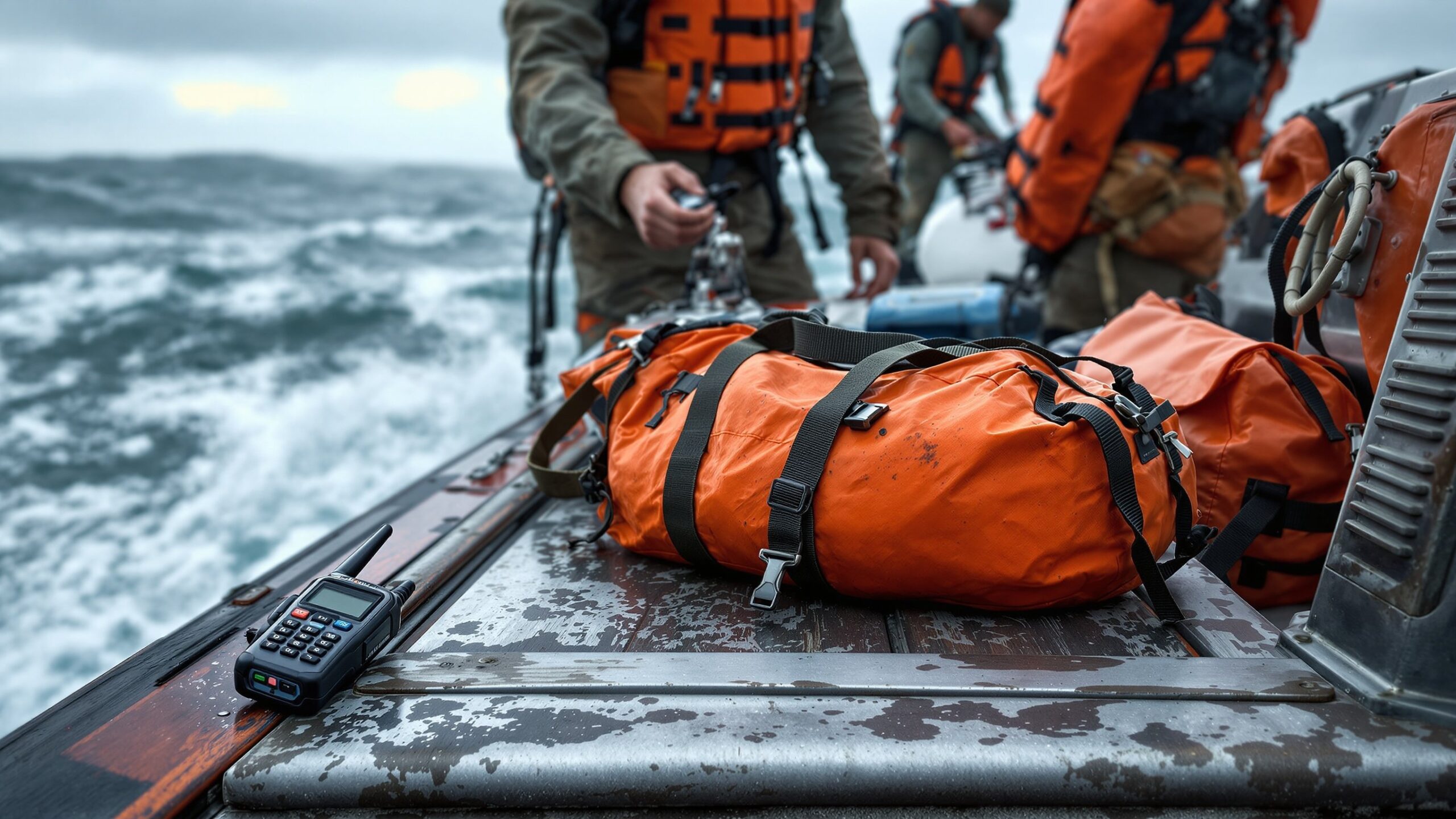
Out on the water, every moment is filled with possibility—calm horizons, fresh winds, and the thrill of exploration. But boating also demands preparation. When unexpected situations arise, knowing exactly what to do can make the difference between a manageable challenge and a dangerous emergency. That’s where smart seamanship and clear emergency procedures come into play. From sudden engine failures and onboard fires to man-overboard situations and severe weather encounters, every boater should be equipped with the knowledge to act quickly and confidently. Preparation isn’t about expecting the worst—it’s about being ready to protect your crew, your vessel, and everyone sharing the water around you. In this section of Boat Streets, we explore the essential emergency procedures every boater should understand before leaving the dock. You’ll discover practical guidance on handling critical situations, using safety equipment effectively, communicating distress signals, and making calm decisions when seconds matter. Whether you’re navigating inland lakes, coastal waters, or open seas, these articles will help you build the confidence and skills needed to respond decisively when the unexpected happens—so every journey stays as safe as it is unforgettable
A: Stay calm, assess the danger, protect people onboard, and communicate clearly.
A: Shout “man overboard,” keep eyes on the person, and throw flotation immediately.
A: Use mayday when there is grave and immediate danger to the vessel or lives onboard.
A: No; leaving the boat is usually a last resort unless fire or sinking makes it unsafe to stay.
A: Drop anchor early if possible to prevent drifting into a more dangerous situation.
A: Check it before trips and do deeper inspections regularly throughout the season.
A: A phone helps, but a VHF radio is usually more reliable for marine distress communication.
A: They should know life jacket locations, emergency signals, and basic response steps.
A: Alert everyone fast, stop fuel and power if possible, and attack the fire only if it is safe.
A: Because even simple rehearsals make real emergencies faster, calmer, and safer to manage.