
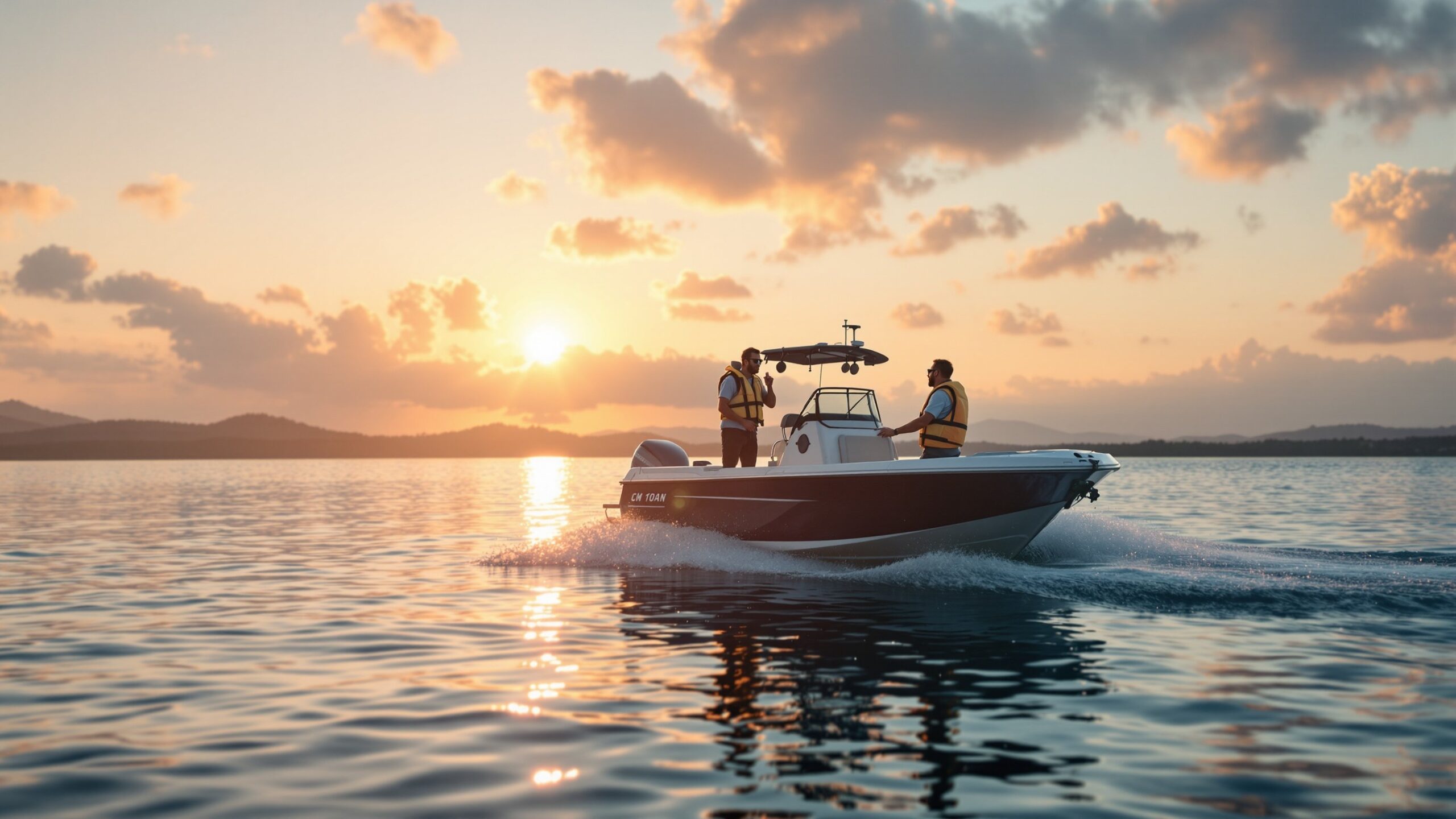
Boating is freedom, adventure, and discovery—but the most confident captains know that great journeys start with knowledge. Boating Certifications & Training is your gateway to becoming a smarter, safer, and more capable boater. Whether you’re brand new to the helm or looking to sharpen advanced navigation skills, the right training transforms time on the water from uncertain to empowering. Across lakes, rivers, and open coastal waters, boating education provides the essential skills every captain should understand—from navigation rules and safety procedures to weather awareness and vessel handling. Certifications help boaters build real-world confidence while meeting legal requirements in many regions, making them a key step for responsible boating. On this page, you’ll discover a collection of articles exploring the many pathways to becoming a skilled mariner. Learn about popular certification programs, boating safety courses, hands-on training opportunities, and the skills that separate casual boaters from confident captains. Whether your goal is mastering navigation charts, understanding maritime rules of the road, or preparing for advanced seamanship training, this section of Boat Streets will guide you toward the knowledge that makes every voyage smoother, safer, and far more rewarding.
A: Not always, but many states require boater education or certification for certain ages and vessel types.
A: Yes, many beginner safety courses are online, though practical skills improve with in-person instruction.
A: Rules of the water, navigation markers, safety gear, emergency response, and operating basics.
A: Absolutely—especially for docking, launching, trailering, and maneuvering in wind or current.
A: No, requirements vary, so always check the rules where you will operate the boat.
A: Slow-speed control is one of the most valuable early skills for safe, calm boat handling.
A: It is highly recommended, especially for larger waters, coastal boating, or emergency readiness.
A: Review safety rules before each season and refresh sooner if boating laws or your vessel type changes.
A: Often yes, because tides, swell, current, and changing weather add complexity.
A: Solid training, regular practice, good judgment, and respect for conditions on every trip.