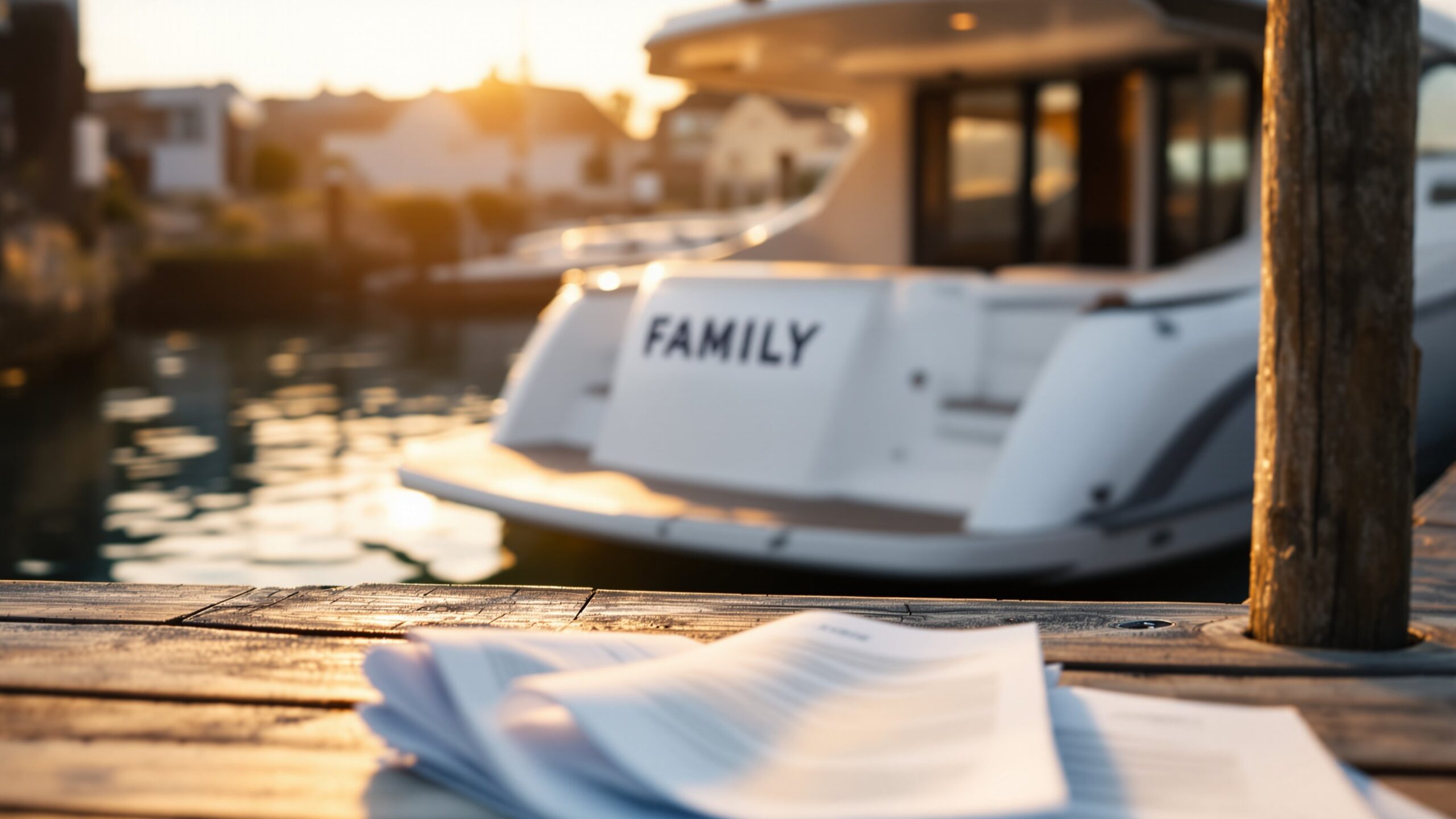
Choosing a boat is a little like choosing a home on the water. The size you select will shape every experience you have—how comfortable your passengers feel, where you can travel, what it costs to maintain, and even how confident you feel at the helm. Many first-time buyers imagine that bigger automatically means better, but the truth is more nuanced. The perfect boat size is the one that matches your lifestyle, your ambitions, and the waters you plan to explore. Taking time to understand how size influences performance, safety, and enjoyment will help you avoid expensive regrets and guide you toward a vessel that truly fits.
A: One you can dock, trailer (if needed), and handle confidently—often a manageable size with simple systems and great visibility.
A: Newer often means fewer surprises and better efficiency; bigger adds space but usually adds cost and complexity.
A: Your typical crew, plus a cushion—if you usually boat with 4, shop sizes that feel comfortable with 6–8 rated capacity.
A: Not alone—beam, draft, layout, storage, and ride in your conditions are just as important.
A: If you trailer often, towing limits can be the deciding factor; if you marina-store, prioritize layout and weather protection.
A: Sea trial in real conditions with your usual crew—practice docking, sit in every seat, and simulate your typical day.
A: Confirm slip LOA/beam limits, ramp depth, and parking length—then add a safety margin for tides and tight turns.
A: Generally, more length, higher freeboard, and a capable hull help—but seamanship and weather choices still matter most.
A: Plan for storage, insurance, maintenance, fuel, gear, and upgrades—often the “real cost” lives there.
A: Buying for the rare dream trip instead of the weekly reality—then dreading storage, maintenance, and handling.
Understanding How Boat Size Is Measured
Boat size is usually described by length overall, often shortened to LOA. This measurement runs from the very front of the bow to the farthest point at the stern. While length is the most common reference, beam (the width of the boat) and draft (how deep the hull sits in the water) are equally important. A wide beam can create a stable, roomy platform even on a shorter boat, while a deep draft may limit access to shallow bays or rivers. Tonnage and weight also affect handling and trailering. Learning these terms gives you a clearer picture of what a number like “24 feet” really means in the real world.
Matching Boat Size to Your Primary Activities
The first question to ask is not how large a boat you can afford, but what you want to do on the water. A family that dreams of relaxed afternoons towing kids on tubes will need something different from an angler chasing offshore trophies or a couple planning weekend cruising. Smaller boats in the 16- to 20-foot range are nimble and ideal for lakes, watersports, and quick day trips. Boats between 21 and 26 feet open the door to longer coastal runs and more passengers. Vessels beyond 27 feet begin to offer true overnight capability with cabins and heads. Let your intended adventures lead the decision rather than appearances alone.
Considering Where You Will Boat
Water conditions play a starring role in determining the right size. Calm inland lakes are forgiving and can be enjoyed safely in compact runabouts. Coastal bays with afternoon chop demand more length and freeboard to stay comfortable and dry. Offshore excursions require serious size, deep-V hulls, and robust construction to handle unpredictable seas. Even local bridges, marina slips, and launch ramps influence the equation. A boat that is perfect for a wide open reservoir may feel oversized on a narrow river with low clearances. Thinking about your home waters prevents buying a vessel that doesn’t suit your environment.
Passenger Capacity and Comfort
Every boat has a maximum capacity plate, but comfort usually arrives long before the legal limit. If you regularly invite friends and relatives aboard, extra length quickly becomes valuable. More size means additional seating, wider walkways, and space for coolers, gear, and shade structures. Families with young children often appreciate room to move safely without crowding the captain. On the other hand, solo boaters or couples may prefer a smaller craft that feels cozy rather than cavernous. Visualize a typical day on the water and imagine where everyone will sit, stand, and store their belongings.
Storage, Trailering, and Transportation
A boat does not live only on the water. It must be stored, transported, and launched, and size dramatically affects all three. Boats under about 22 feet are commonly trailerable by mid-size vehicles and can fit in residential garages or driveways. Larger boats may require heavy-duty trucks, specialized trailers, or paid marina storage. Launching a 30-foot cruiser at a public ramp can be stressful, while a compact skiff slips in with ease. Considering these practical realities ahead of time saves headaches and ongoing expenses that many new owners overlook.
Budget Beyond the Purchase Price
The sticker price is only the beginning of boat ownership costs. As size increases, so do fuel consumption, insurance premiums, maintenance bills, and dock fees. A larger engine needs more oil and more frequent service. Bottom paint, winterization, and replacement parts all scale with length. Even small accessories like covers and lines cost more for bigger boats. Setting a realistic annual operating budget helps narrow the field quickly. Sometimes choosing a slightly smaller boat allows you to use it more often because it is affordable to run.
Handling and Confidence at the Helm
Boat size influences how a vessel behaves and how comfortable you feel operating it. Smaller boats respond quickly and are easier to maneuver in tight marinas. Larger boats track better in rough water but require more planning when docking or trailering. New captains often appreciate starting with a manageable size to build skills. Modern technology such as bow thrusters and joystick controls can tame bigger boats, yet there is no substitute for feeling in control. The right size should inspire confidence rather than intimidation.
Safety Considerations
Safety is not solely about length, but size can provide valuable margins. A heavier, longer boat generally offers more stability and higher sides, which help keep passengers secure in choppy conditions. Space for proper safety equipment—life jackets, flares, first-aid kits, and communication devices—is easier to find on a larger deck. However, an oversized boat operated by an inexperienced skipper can be just as risky as a small craft in bad weather. Balance is key: choose a boat that gives you room to operate safely without exceeding your abilities.
Fuel Efficiency and Range
Every additional foot of hull pushes more water and requires more power. If long cruising range is part of your dream, pay close attention to fuel capacity and burn rates. Smaller boats with efficient outboards may sip fuel and allow spontaneous outings without financial worry. Big cruisers deliver comfort and speed but can turn a day trip into a costly venture at the pump. Understanding how far you want to travel on a typical outing helps determine whether size or efficiency should take priority.
Future Growth and Flexibility
Many buyers choose a boat for today without considering tomorrow. Families grow, interests change, and new opportunities appear. A couple who begins with sunset cruises may later discover a passion for fishing or overnight island hopping. Selecting a boat with a little room to grow can extend ownership satisfaction. Modular seating, convertible layouts, and adaptable storage allow one vessel to serve multiple roles. While it is unwise to buy far beyond current needs, leaving a modest cushion for the future is smart planning.
The Role of Boat Type in Size Decisions
Size cannot be separated from boat style. A 22-foot pontoon feels vastly different from a 22-foot center console or bowrider. Pontoons maximize deck space and passenger comfort, making them feel larger than their length suggests. Deep-V fishing boats prioritize seaworthiness and may need extra length to deliver the same interior room. Cabin cruisers pack amenities into every inch, while performance boats devote space to engines and sleek lines. Understanding how design interacts with size prevents misleading comparisons.
Testing Before You Commit
Reading specifications is helpful, but stepping aboard tells the real story. Sea trials reveal how a boat rides, how loud it feels, and whether the layout suits your habits. Walk the deck, sit in the seats, imagine anchoring for lunch or docking at sunset. Bring along the people who will use it most. Their reactions often highlight needs you hadn’t considered. Experiencing different sizes back to back clarifies preferences faster than any brochure.
Resale Value and Market Demand
Boat size also affects how easily you can sell or trade later. Certain segments, such as 19- to 24-foot family boats, tend to have broad demand and strong resale value. Very large or highly specialized vessels may appeal to a narrower audience. Thinking about the long game protects your investment. Choosing a popular size does not mean sacrificing individuality, but it provides flexibility if your boating chapter changes.
Common Mistakes to Avoid
Many buyers fall in love with features and overlook practicality. They imagine hosting parties every weekend and purchase more boat than they will realistically use. Others buy too small, outgrowing the vessel after a single season. Ignoring storage requirements, underestimating maintenance, or assuming every passenger will pack light are frequent missteps. Slowing down, researching honestly, and seeking advice from experienced boaters keeps enthusiasm grounded in reality.
Creating Your Personal Size Formula
There is no universal answer to the perfect boat size, but there is a personal formula. Combine your typical crew count, preferred waters, budget, storage options, and desired activities. Rank these factors by importance. For some, easy trailering will outweigh cabin space. For others, overnight comfort will be non-negotiable. Writing this list before visiting dealerships keeps emotions from steering the decision.
Embracing the Journey
Selecting a boat is the beginning of a lifestyle filled with sunrise departures, salty breezes, and memories that linger long after the engine cools. The right size becomes a trusted companion, not a burden. Whether you choose a compact skiff for quiet coves or a spacious cruiser for extended horizons, the goal is the same: freedom on the water. By thoughtfully weighing how size touches every aspect of ownership, you ensure that your boat fits not just the dock, but your dreams.
Final Thoughts
The perfect boat size is less about impressing others and more about matching your real needs. Consider where you will go, who will join you, and how you will care for the vessel between adventures. Balance ambition with practicality, and allow room for growth without inviting unnecessary complexity. When size aligns with purpose, boating becomes effortless and joyful. With a clear plan and honest reflection, you will step aboard confident that the boat beneath your feet is exactly the right one for the life you want to live on the water.