
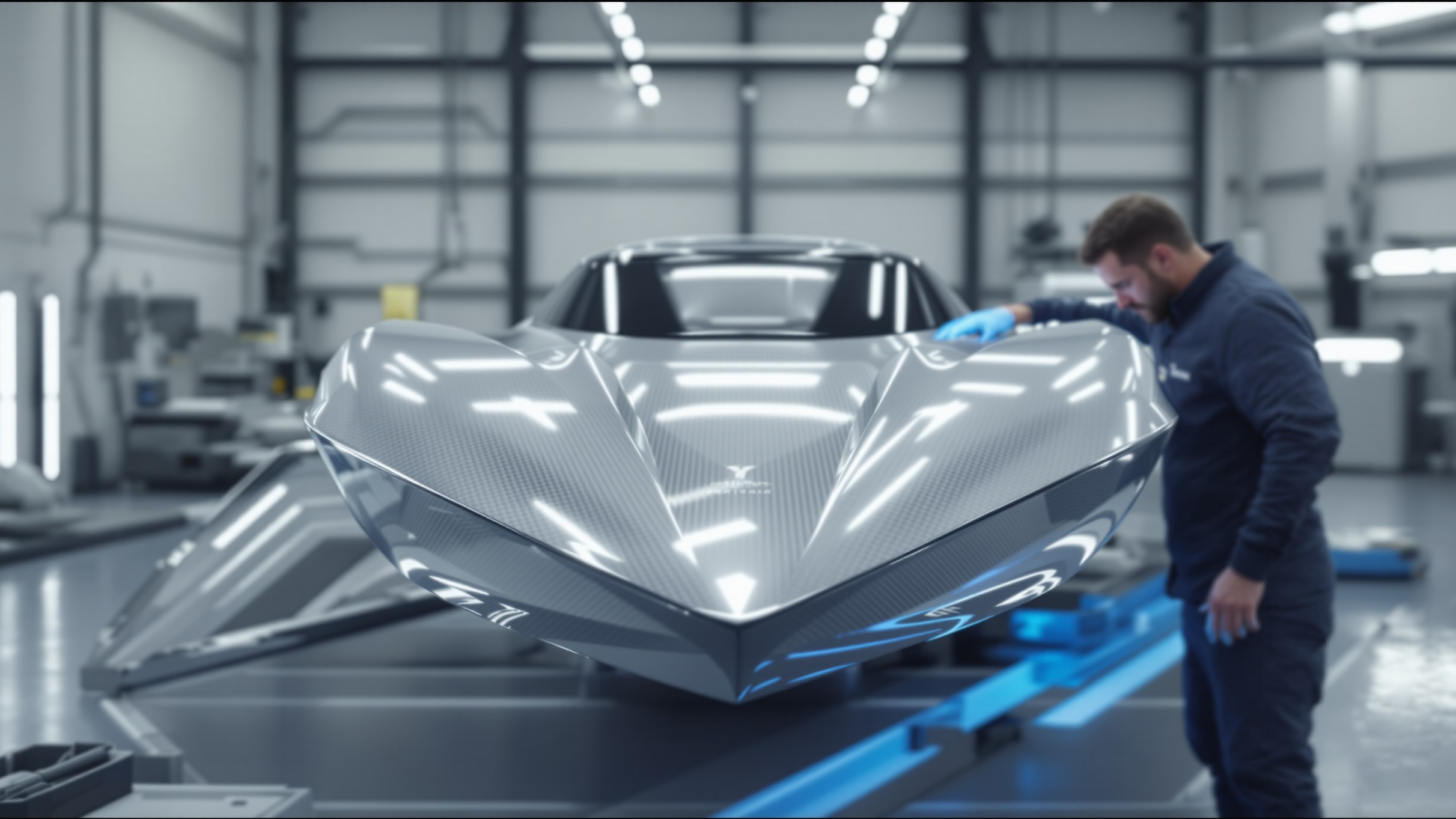
Next-Gen Boat Materials are redefining what’s possible on the water—unlocking new levels of speed, strength, efficiency, and design freedom. From ultra-lightweight carbon fiber composites to advanced hybrid laminates and self-healing coatings, modern marine materials are engineered to perform in the harshest environments while pushing the boundaries of innovation. These breakthroughs aren’t just about durability—they’re about smarter boats that are faster, more fuel-efficient, and built with sustainability in mind. On this page, you’ll explore how cutting-edge materials are transforming hull construction, improving impact resistance, reducing weight, and enhancing long-term performance. Discover how nanotechnology, recycled composites, and bio-based resins are shaping the future of boating, and why manufacturers are rethinking everything from structural integrity to environmental impact. Whether you’re a boat builder, enthusiast, or forward-thinking explorer, this collection of articles dives deep into the science and strategy behind the next wave of marine design. Welcome to the materials revolution—where innovation meets the open water, and the future of boating is being built layer by layer.
A: They often reduce weight while improving strength, efficiency, and long-term durability.
A: Not always; carbon fiber is lighter and stiffer, but fiberglass is often more affordable and easier to repair.
A: It is rugged, lightweight, and well suited to fishing, utility, and expedition-style boats.
A: It helps increase stiffness and reduce overall weight in composite construction.
A: Some can be, especially exotic layups that require specialized repair materials and techniques.
A: Resin binds reinforcement fibers together and strongly influences strength, bonding, and water resistance.
A: Yes, lighter boats typically need less energy to move efficiently through the water.
A: Many do, especially composites and corrosion-resistant marine metals designed for harsh environments.
A: Yes, more builders are exploring recycled, bio-based, and lower-waste material systems.
A: Look at how the material choice fits the boat’s mission, maintenance needs, repairability, and performance goals.