
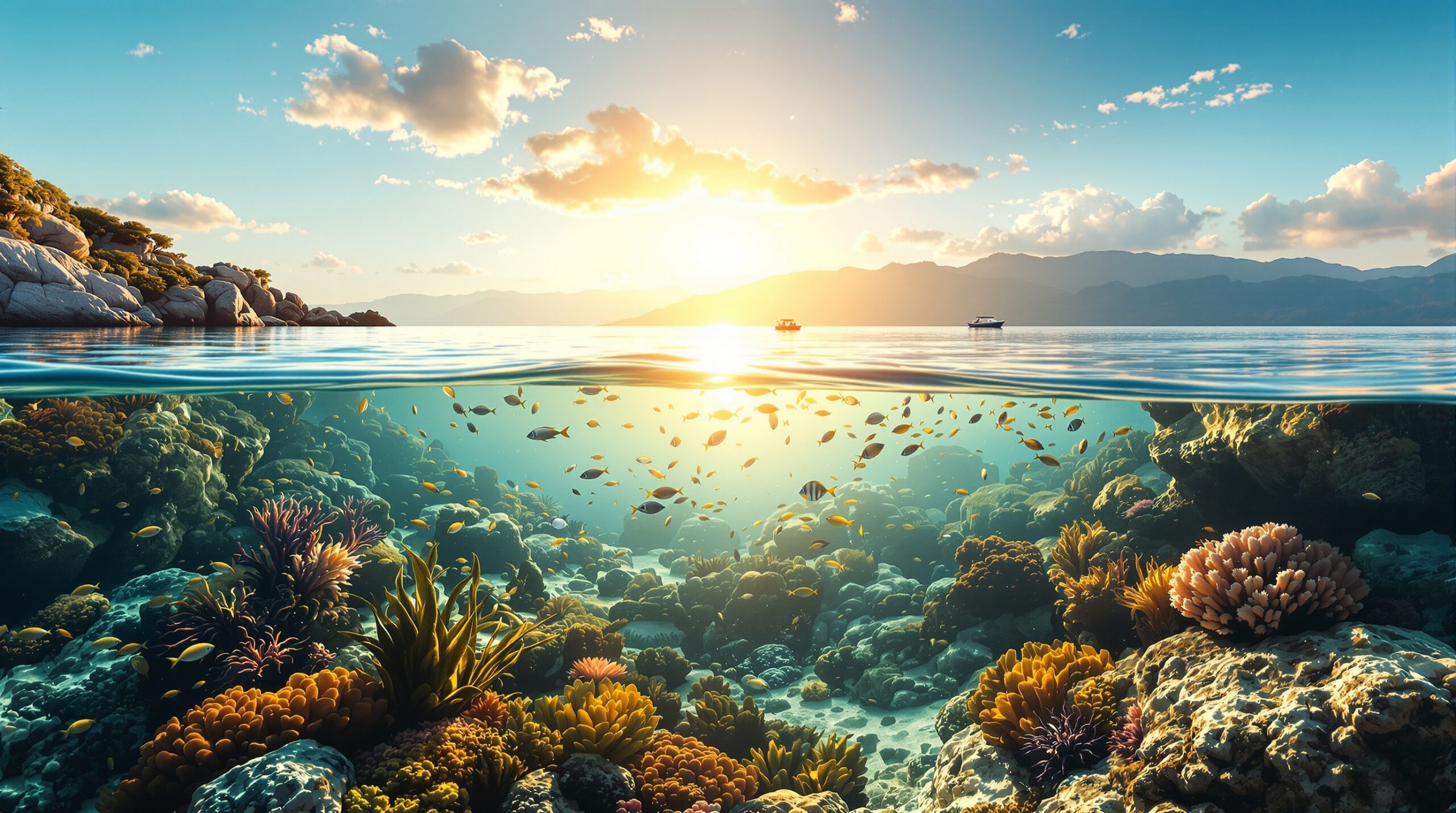
Dive into the living heartbeat of our planet with Ocean & Freshwater Ecosystems—where every ripple, current, and shoreline tells a story of life in motion. From vast, blue horizons teeming with migrating giants to quiet freshwater coves rich with hidden biodiversity, these environments shape the rhythm of nature and the spirit of exploration. Beneath the surface lies a world of coral cities, winding river systems, and thriving habitats that support everything from microscopic organisms to powerful predators. On Boat Streets, this hub brings you closer to the science, beauty, and adventure woven into these waters. Discover how ecosystems function, how seasons and climates influence aquatic life, and how boaters can explore responsibly while preserving delicate environments. Whether you’re navigating inland lakes, drifting along scenic rivers, or charting coastal waters, understanding these ecosystems deepens every journey. This is your gateway to smarter exploration—where curiosity meets conservation, and every voyage becomes a chance to connect with the incredible life beneath and beyond the waves.
A: Marine systems are saltwater, while freshwater systems have very low salinity and different species mixes.
A: They serve as nursery grounds, filter runoff, and connect river and coastal food webs.
A: Sediment, algae, runoff, boat activity, and shoreline disturbance can all reduce clarity.
A: Fish and many aquatic organisms need it to survive; low oxygen can trigger die-offs.
A: Yes, wetlands are critical transition habitats that store water and support rich biodiversity.
A: Prevent fuel spills, avoid scarring vegetation, reduce wake in sensitive areas, and pack out trash.
A: Non-native organisms that spread aggressively and disrupt local habitats and food webs.
A: They provide cover, feeding zones, and breeding habitat for fish, birds, and invertebrates.
A: A rapid algae growth event that can lower water quality and sometimes produce toxins.
A: Because what happens upstream eventually affects downstream rivers, lakes, estuaries, and coastal waters.