
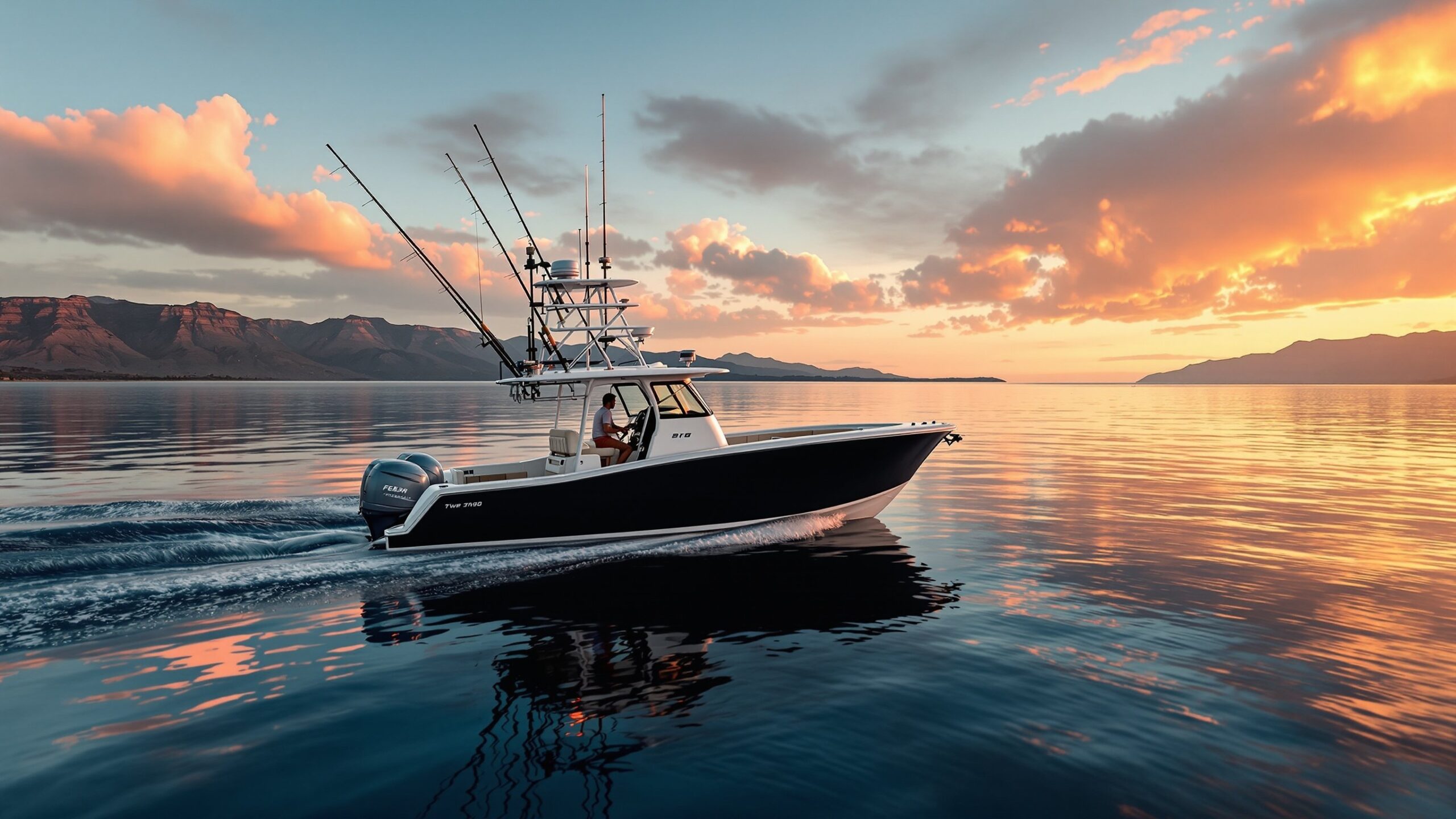
Fishing Destinations is where water meets wonder. On Boat Streets, this is your gateway to coastlines, rivers, lakes, and offshore grounds that define the art and adventure of angling. From misty mountain reservoirs at sunrise to tropical flats glowing beneath turquoise skies, every destination tells a different story—shaped by currents, climate, species, and local culture. Here, we explore what makes a fishing location truly legendary. Is it the seasonal migration of trophy fish? The hidden structure beneath the surface? The blend of marina life, waterfront towns, and open-water freedom? Our articles dive deep into the ecosystems, techniques, timing, and boating strategies that transform a simple trip into a memorable pursuit. Whether you’re charting a weekend escape or planning a bucket-list expedition, Fishing Destinations connects you to waters that challenge, inspire, and reward. Expect detailed breakdowns of prime habitats, regional highlights, species patterns, and the boating knowledge needed to navigate them confidently. Cast farther, travel smarter, and discover where your next great catch begins.
A: Start with season + target species, then check access, regulations, weather windows, and local reports.
A: Usually yes—requirements vary by state/country and by freshwater vs. saltwater; verify before you go.
A: Use a float plan, confirm fuel range + reserve, watch marine forecasts, and set a hard “return time.”
A: Look for structure and bait first—points, edges, current seams, birds, and sonar bait clouds.
A: Focus on moving water; incoming or outgoing can both work depending on the spot and wind.
A: Downsize, slow down, lengthen leaders, and prioritize natural presentations and quieter approaches.
A: Wet hands, support the body, minimize air time, and revive in current; use barbless or crimped barbs when possible.
A: Pick one strong line-to-leader knot and one terminal knot, then practice until you can tie them perfectly.
A: Extra water, first aid, headlamp, spare drain plug, charging cables, and a small tool kit.
A: Use GPS tracks, mark ramps/waypoints, keep paper/backup nav, and don’t outrun fog or darkness.