

Personal Watercraft—better known as PWCs or Jet Skis—are where speed, agility, and pure on-water excitement collide. Built for riders who crave quick acceleration, sharp turns, and a close connection to the water, these compact power machines deliver adrenaline in its most accessible form. Whether you’re skimming across glassy lakes at sunrise, carving waves along the coast, or towing a wakeboarder for a high-energy session, PWCs offer versatility far beyond their size. On Boat Streets, our Personal Watercraft (PWC & Jet Skis) hub dives into every angle of this fast-paced world. From beginner-friendly sit-down models to high-performance stand-up machines designed for tricks and racing, we explore how different designs match different riding styles. You’ll find guides on safety, maintenance, accessories, and performance upgrades, along with insights into storage, transport, and seasonal care. Whether you’re buying your first PWC, upgrading to a more powerful ride, or simply obsessed with life at full throttle, this collection is your launch point into the thrill-packed universe of personal watercraft. Get ready to ride lighter, faster, and closer to the water than ever before.
A: It depends on your state and age—many require a boater safety course and proof of completion.
A: Most PWCs need thrust to steer; keep light throttle for control, especially near docks.
A: Common causes include a clogged intake, cavitation, or debris in the pump—inspect safely with the engine off.
A: Yes—flush the cooling system, rinse thoroughly, and use anti-corrosion spray after every salt ride.
A: Follow the manual, but typically at least annually: oil, plugs (as needed), wear ring checks, and inspection.
A: A stable sit-down with predictable handling, moderate power, and braking/reverse is usually easiest.
A: It can be if you use proper tow gear, follow local rules, keep wide spacing, and never cut tight turns.
A: Adjust trim down, shift weight forward slightly, and ease off throttle in chop.
A: Riding too fast too soon—master slow control, turns, and emergency stops before pushing speed.
A: Stabilize fuel, fog (if recommended), remove/maintain the battery, keep it clean/dry, and cover it.
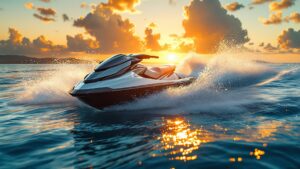
Jet Ski Buying Guide: How to Choose the Perfect Personal Watercraft
Ready to hit the water? This complete jet ski buying guide breaks down everything from beginner-friendly PWCs to high-performance machines, helping you choose the perfect ride for speed, comfort, adventure, and unforgettable summer thrills.
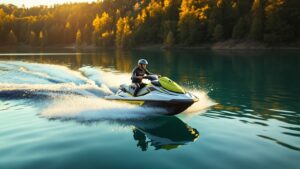
Fastest Jet Skis in the World: Top Speed PWC Models Compared
From supercharged Sea-Doos to race-inspired Yamahas and powerful Kawasaki machines, explore the world’s fastest jet skis and see which PWCs dominate the water with incredible speed, acceleration, and cutting-edge performance technology.