
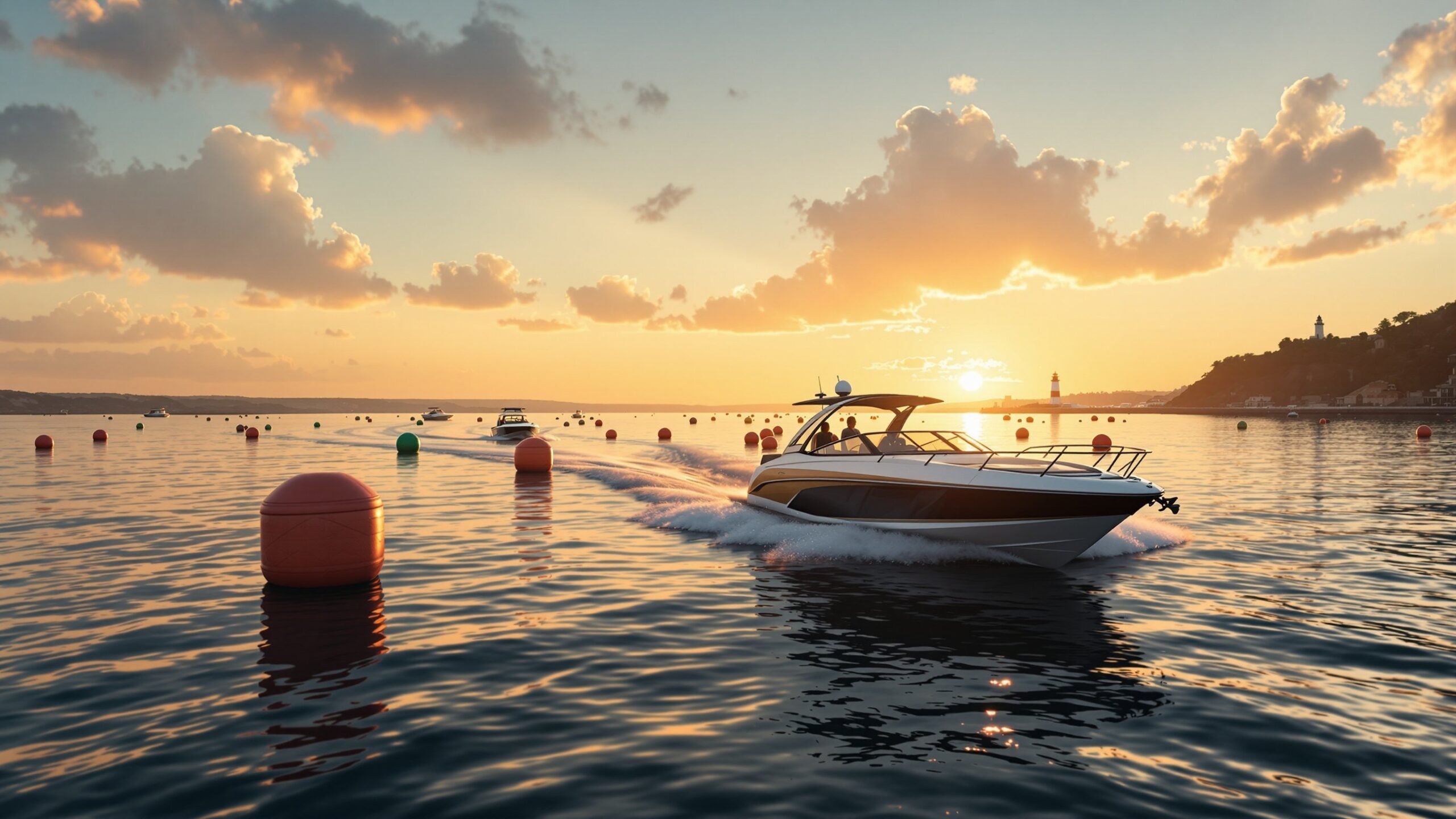
Out on the open water, freedom and adventure go hand in hand with responsibility. Maritime Rules & Regulations are the invisible framework that keeps waterways organized, safe, and enjoyable for everyone—from weekend boaters and anglers to commercial vessels and coastal cruisers. Understanding these rules isn’t just about avoiding fines or citations; it’s about mastering the language of the water and becoming a more confident, capable captain. Across lakes, rivers, coastal passages, and international waters, maritime laws guide everything from right-of-way navigation and required safety equipment to speed zones, environmental protections, and licensing requirements. Whether you’re learning how navigation lights communicate vessel movements at night, understanding no-wake zones near marinas, or exploring international collision regulations, these guidelines ensure that every vessel shares the water responsibly. This section of Boat Streets brings together clear, practical articles that break down the essential rules every boater should know. From beginner-friendly overviews to deeper insights into maritime law and enforcement, you’ll discover the knowledge that helps transform boating from a simple hobby into a skilled and informed craft. When you know the rules of the water, every voyage becomes safer, smoother, and far more rewarding.
A: It depends on the situation, vessel type, and relative position—crossing, overtaking, meeting, and sail-vs-power rules all matter.
A: Operate slowly enough that your boat produces minimal wake and does not endanger people, docks, shorelines, or nearby vessels.
A: In most cases, yes—boats generally must carry properly sized wearable life jackets for every person aboard.
A: No—federal navigation rules exist, but states and local jurisdictions often add their own operating and equipment requirements.
A: From sunset to sunrise and during periods of restricted visibility such as fog, rain, or heavy haze.
A: No—boating under the influence is illegal and dangerous, just like impaired driving on land.
A: Many states require boater education or certification based on age, boat type, or engine size.
A: Stop, help if safe, exchange information, and report the accident when legally required.
A: Yes—operators can be held responsible for damage or danger caused by excessive wake.
A: Know your local rules, carry required gear, maintain a proper lookout, and operate at a safe, predictable speed.