
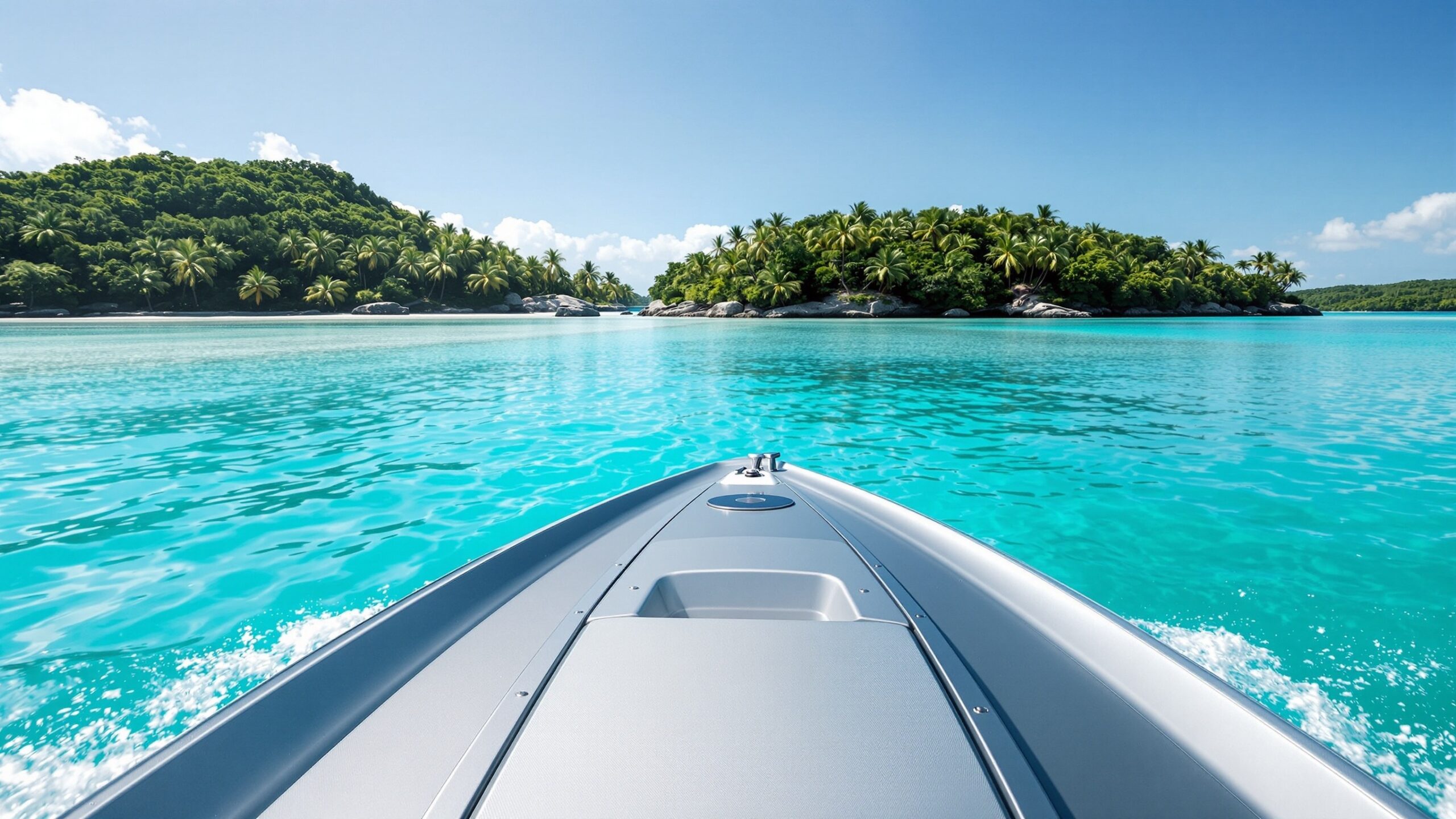
Water tells a story—of clarity, contamination, and the choices we make every time we hit the water. Welcome to Water Quality & Pollution, where every ripple reveals what’s happening beneath the surface. From pristine alpine lakes to busy coastal harbors, the health of our waterways shapes not only the boating experience, but entire ecosystems and communities. Here, you’ll explore how pollutants travel, how water quality is measured, and how everyday boating habits can either protect or harm these vital environments. Dive into articles that break down everything from fuel spills and runoff to algae blooms and invisible contaminants. Learn how modern technology, smarter regulations, and eco-conscious practices are working together to restore balance. Whether you’re cruising at sunrise or anchoring at your favorite hidden cove, understanding water quality empowers you to make better decisions on the water. This hub is your guide to cleaner wakes, clearer waters, and a more sustainable boating future—because every drop matters, and every boater plays a role.
A: Fuel sheens, floating trash, cloudy water, and algae blooms are among the most visible signs.
A: Yes, bilge water may contain oil, fuel, and cleaners that should be managed carefully.
A: They can block sunlight, reduce oxygen, and in some cases release toxins harmful to wildlife and people.
A: It can, especially if harsh soaps, degreasers, or paint residue enter the water.
A: No, many pollutants are invisible and may still affect aquatic life or human health.
A: Stop the source if safe, contain what you can, and report it according to local marina or authority guidance.
A: Use secured bins, reusable containers, and a pack-in, pack-out routine every trip.
A: Runoff carries pollution from land into the same waters used for boating, fishing, and swimming.
A: Yes, cleaner fueling, better waste handling, and smart maintenance all help reduce impacts.
A: Prevent leaks, avoid overboard discharge, and keep all trash and chemicals fully contained onboard.