
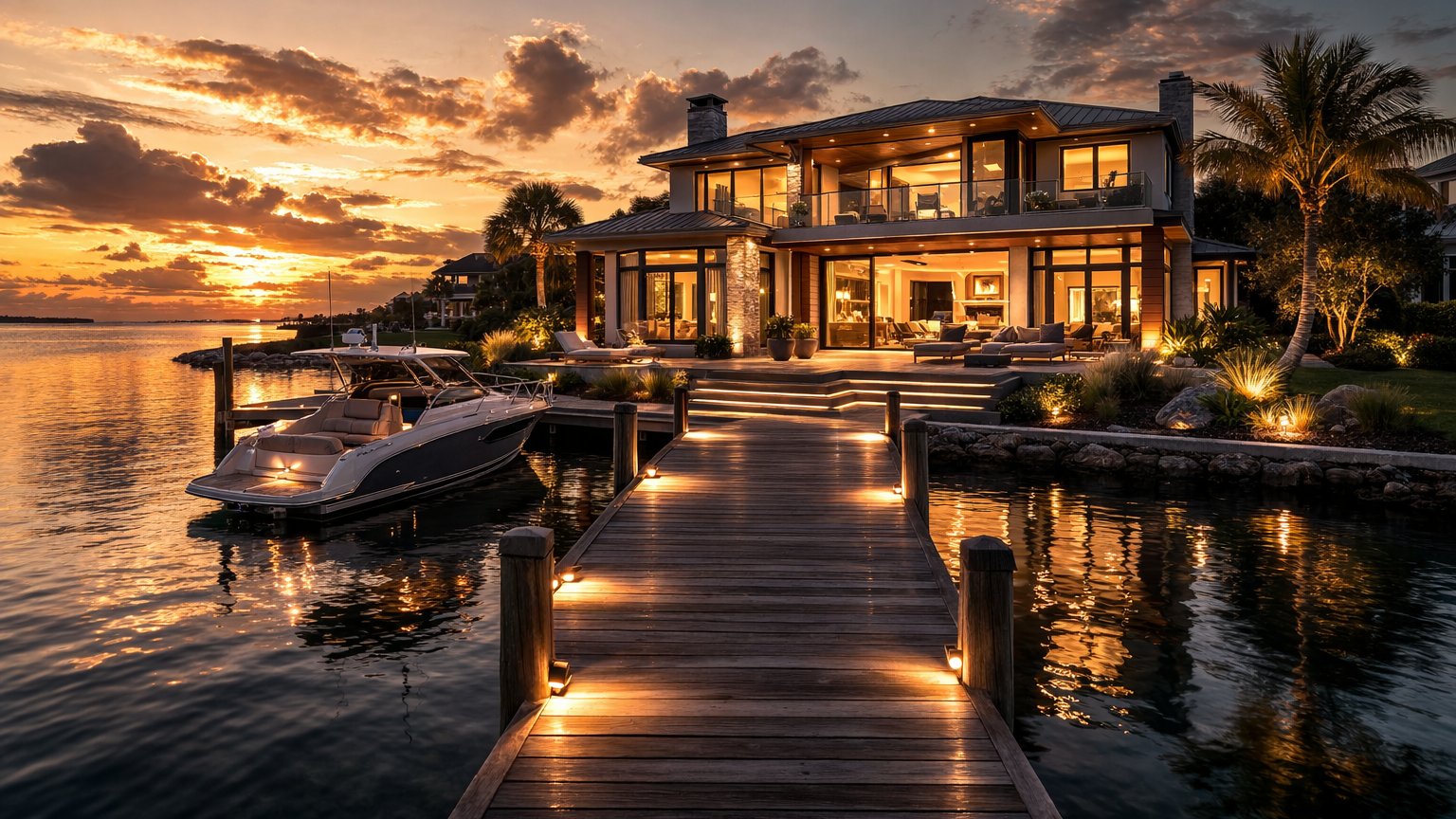
Life feels different at the water’s edge. On Boat Streets, Waterfront Living & Dockside Living explores the rhythm, beauty, and practical magic of life beside the tide. Here, mornings begin with shimmering reflections and the quiet creak of dock lines, while evenings glow with golden sunsets stretching across open water. Whether you’re dreaming of a coastal cottage, a sleek marina-side condo, a rustic lake cabin, or a full-time houseboat lifestyle, this collection dives into the inspiration and know-how that make waterfront living extraordinary. From dock design and shoreline landscaping to storm preparation, boat storage, entertaining by the pier, and embracing the maritime mindset, our articles celebrate both the romance and the reality of life on the water. Discover smart layouts for dockside homes, creative outdoor spaces that blur the line between land and sea, and lifestyle insights that help you navigate tides, weather, and community culture with confidence. If your heart beats a little faster near waves, wakes, and waterfront horizons, you’re in the right harbor.
A: Bow, stern, and at least two spring lines—plus spares for windy days and rafting.
A: Snug enough to control surge, but with allowance for tide and dock movement—re-check after conditions change.
A: Floating docks match boat height; fixed docks can be simpler but require more fender and line adjustment.
A: Start with 3–4 on the dock side, then add one at each critical contact point (piling or rub rail hotspot).
A: Never jump—step when stable, keep one hand for the boat, and avoid pinching zones between boat and dock.
A: Add spring lines, adjust fenders, and protect lines from chafe—wake and wind are usually the culprits.
A: Power off first, plug in firmly, keep connections dry, and coil cords neatly to avoid trip hazards.
A: A quick rinse, a small brush, and sealed trash storage—little routines prevent big messes.
A: Do a 60-second line and fender check every time you arrive—conditions change faster than you think.
A: Keep walkways clear, secure loose gear, minimize late-night noise, and communicate before rafting or sharing cleats.