
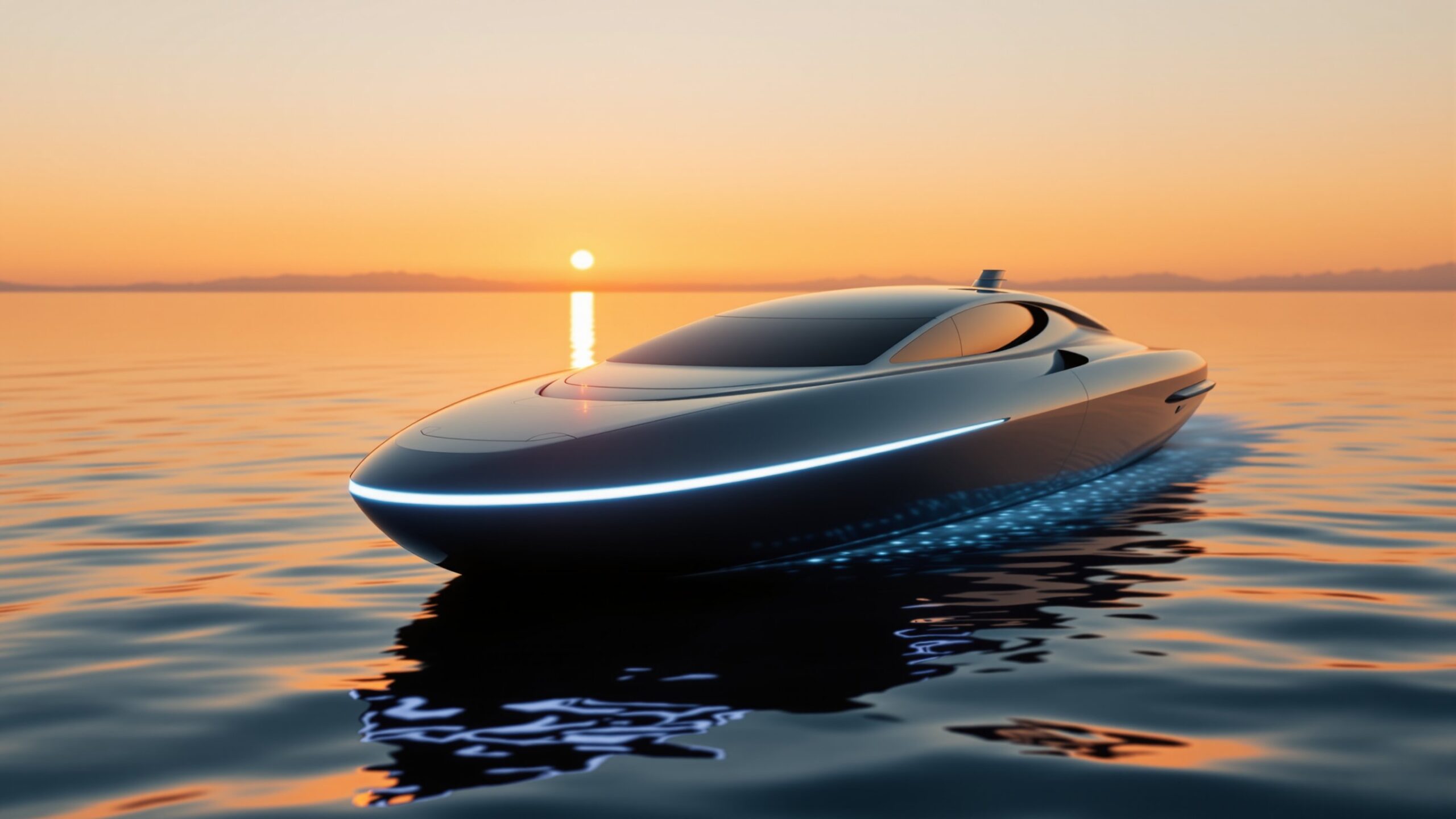
Marine AI & Autonomous Boats are redefining what it means to navigate the open water. What was once a hands-on, instinct-driven experience is rapidly evolving into a seamless fusion of human intuition and intelligent systems. From self-navigating vessels that read currents, weather, and traffic in real time to smart onboard systems that optimize fuel efficiency, safety, and performance, the next generation of boating is smarter, safer, and more connected than ever. In this dynamic corner of Boat Streets, we explore how artificial intelligence is transforming everything from recreational boating to commercial maritime operations. Discover cutting-edge autopilot technologies, collision-avoidance systems, predictive maintenance tools, and fully autonomous vessels pushing the limits of innovation. Whether you’re a tech enthusiast, a seasoned captain, or simply curious about the future of marine travel, this hub brings clarity to a fast-moving space. Step aboard and explore the technologies shaping tomorrow’s waterways—where precision meets possibility, and every journey is powered by intelligence beneath the surface.
A: A smart boat uses connected electronics, sensors, software, and automation to improve navigation, monitoring, and onboard control.
A: Not usually. Most current systems are assistive and still work best with human supervision and manual override.
A: Common inputs include GPS, radar, AIS, cameras, sonar, engine data, and environmental sensors.
A: Yes. Some systems assist with low-speed maneuvering, positioning, and control in tight marina spaces.
A: They can be, especially when automation improves awareness, alerts, and system monitoring—but setup and oversight still matter.
A: No. Many core functions run onboard, though remote access and cloud features improve with reliable connectivity.
A: It lets owners track location, battery health, bilge status, and other key systems from off the boat.
A: Often yes. Many vessels can be upgraded with modern displays, sensors, network modules, and monitoring hardware.
A: Unpredictable water conditions, sensor challenges, and complex traffic behavior still make full autonomy difficult.
A: As helm controls and vessel systems become more connected, protecting networks and software becomes part of overall boating safety.