
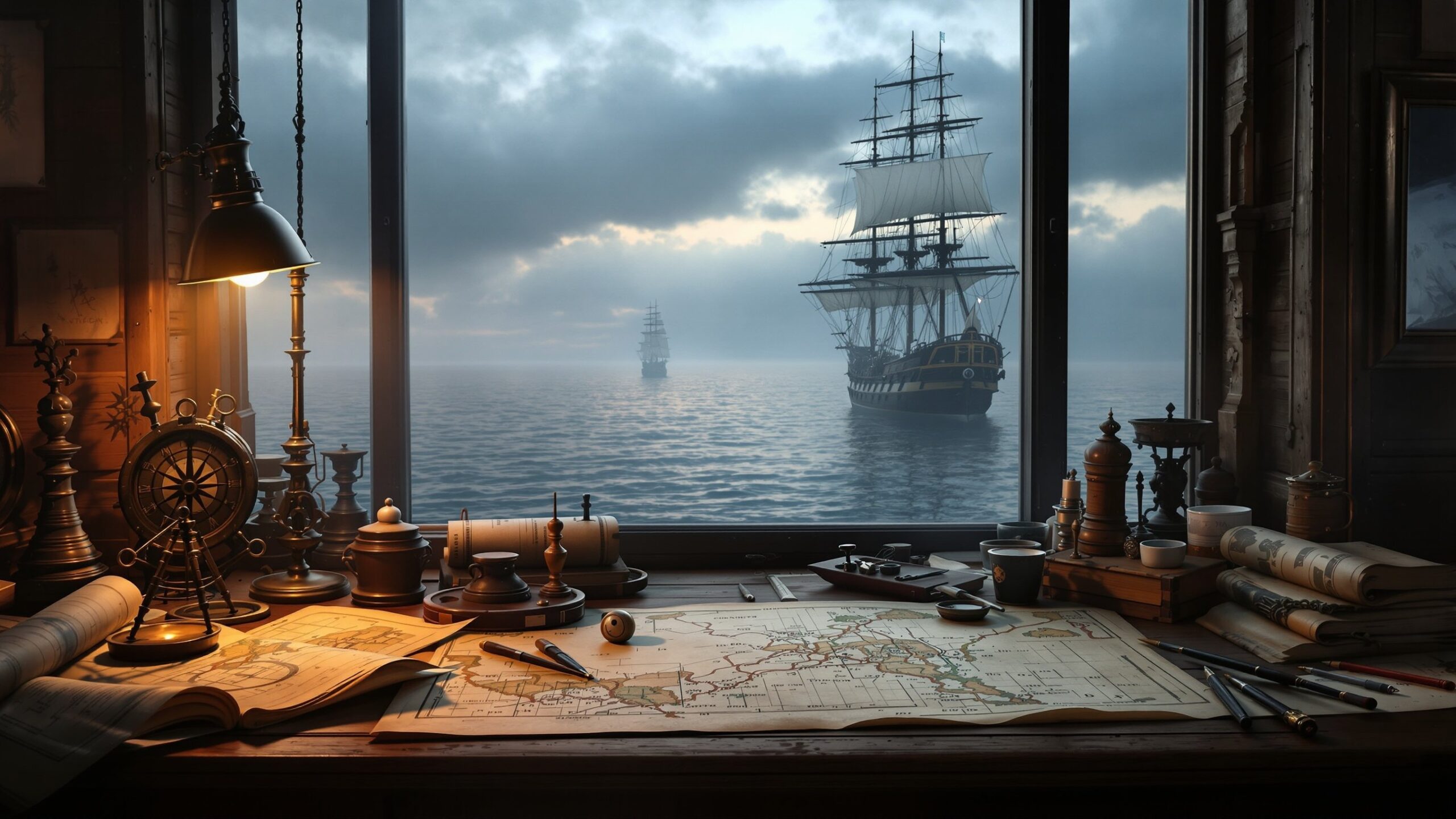
From fearless explorers who chased the horizon to engineers who reinvented the hull, Legendary Mariners & Innovators celebrates the people who turned saltwater dreams into living history, shaping how the world travels, trades, and discovers. Every harbor holds echoes of bold captains, brilliant designers, and stubborn inventors whose ideas bent the rules of wind and wave, launching vessels that were faster, safer, and more daring than any before imagined possible. Here we follow daring voyages across unmapped oceans, meet the thinkers who sketched propellers on napkins, and uncover the rivalries that pushed navigation from star charts to satellites with restless determination and pure grit today. Some names are famous figureheads, others are quiet problem-solvers in oily engine rooms, yet each changed the rhythm of life afloat, influencing the boats we pilot and the freedom they deliver every tide we share. Whether you love classic wooden sloops, futuristic hydrofoils, or the untold stories behind lifesaving gear, this collection invites you to step aboard the timeline where courage and creativity steer the course ahead together always now.
A: Mariners are known for voyages/leadership; innovators for tools, ships, charts, or systems that changed sailing.
A: Practical longitude methods (especially accurate timekeeping) plus standardized charts were game-changers.
A: Dead reckoning, celestial navigation, charts, and coastal piloting—often used together for cross-checking.
A: Yes—especially as a backup skillset and for teaching fundamentals of position and time.
A: Focusing only on “heroes” and ignoring crew skill, logistics, weather, and technology constraints.
A: Channels move, hazards appear, buoys shift, and new surveys improve accuracy—navigation data is living data.
A: They turned bold plans into seaworthy hulls—design, materials, and repairs often decided success or failure.
A: No—transition took decades, and many routes used mixed tech depending on fuel, winds, and economics.
A: AIS and radar are powerful, but interpretation, lookout discipline, and rules-of-the-road awareness remain essential.
A: By building respect for redundancy, seamanship habits, and the inventors who made boating safer.