
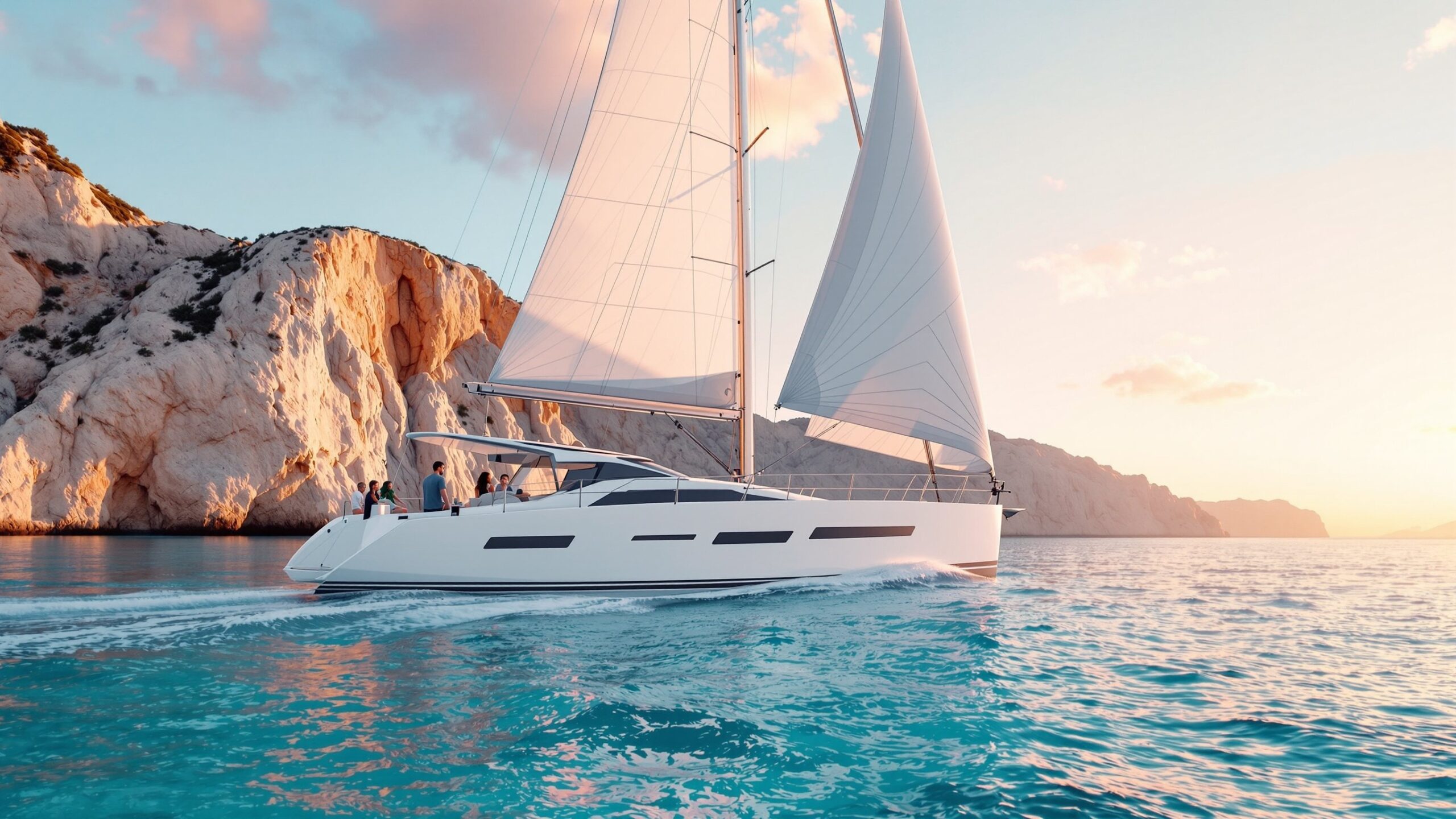
International Boating Routes are where adventure meets navigation, and every horizon line hints at a new culture, coastline, and current to master. On Boat Streets, this is your gateway to the world’s most iconic passages and hidden blue-water corridors—from sunlit Mediterranean crossings to remote island chains scattered across the Pacific. These routes aren’t just lines on a chart; they are living pathways shaped by trade winds, tidal rhythms, maritime history, and the ambitions of captains who dare to go farther. Whether you’re planning a seasonal migration, a bucket-list ocean crossing, or a slow cruise between neighboring nations, understanding international routes means mastering weather windows, customs protocols, marina networks, and regional seamanship traditions. Each journey blends strategy with spontaneity: plotting fuel stops and safe harbors while leaving room for unexpected anchorages and unforgettable landfalls. In this collection, you’ll explore the world’s great maritime highways and scenic detours—routes that connect continents, cultures, and cruising communities. Chart your course, study the currents, and discover how international boating transforms distance into discovery.
A: Start with regional seasons (storms/monsoons), then match legs to prevailing winds and safe bailout ports.
A: Planning a leg with no good alternates—always build in safe exits and conservative ETAs.
A: AIS helps with cooperative targets; radar helps with land/unknown targets—many cruisers prioritize AIS first, then radar for fog/night regions.
A: Keep a meaningful cushion for head seas, detours, and anchorage hunting—set a reserve rule you won’t break.
A: Passports, vessel registration, proof of ownership/authority, insurance, crew list, and copies—keep them dry and organized.
A: Avoid when possible; if not, arrive with updated charts, marked hazards, clear ranges/bearings, and reduced speed.
A: Time transits with the favorable tide/current and avoid wind-against-current periods that steepen waves.
A: Prioritize protection from forecast wind direction, good holding, and enough swing room—then confirm with daylight checks.
A: Regular position logs, a watch schedule that protects sleep, and consistent weather checks each watch.
A: Research entry ports in advance, arrive with tidy paperwork, and plan first landfall around office hours when possible.