
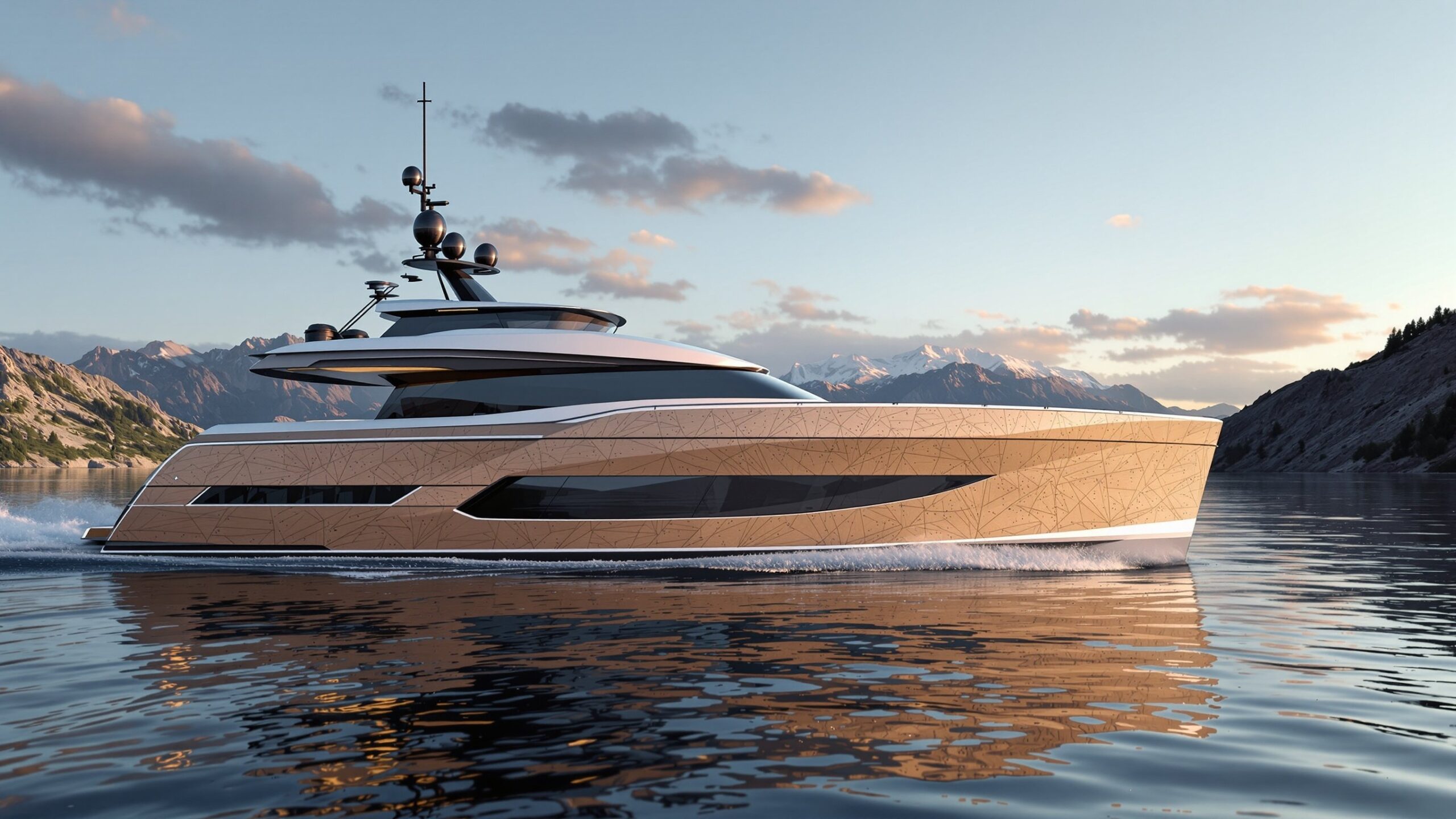
Navigation is at the heart of every great boating adventure. Whether you’re cruising along a quiet inland lake, exploring winding rivers, or charting a coastal journey, understanding how to read the water—and the maps that guide you across it—is one of the most powerful skills a boater can develop. Navigation & Chart Reading is where technology, observation, and classic seamanship come together to help you travel with confidence. On Boat Streets, this section is dedicated to helping boaters of all experience levels master the tools and techniques that keep voyages smooth and safe. From learning how to interpret nautical charts and depth markings to understanding buoys, markers, GPS systems, and digital navigation apps, these guides break down complex concepts into practical knowledge you can use on the water. You’ll also discover how experienced captains plan routes, avoid hazards, read tides and currents, and adapt to changing conditions. Whether you’re navigating a weekend fishing trip or planning a longer coastal cruise, strong navigation skills transform uncertainty into confidence and every trip into a well-charted adventure.
A: Yes. GPS is powerful, but chart reading helps you understand hazards, routes, depth changes, and backup navigation.
A: Marine charts include water depths, aids to navigation, bottom features, and boating hazards that road maps do not show.
A: A waypoint is a saved location used for route planning, position marking, or returning to a known spot.
A: Tides affect water depth and current, which can change safe passages, docking, and anchoring conditions.
A: Use dividers and the chart’s latitude scale, since latitude spacing reflects nautical miles accurately.
A: It means confirming your exact location using GPS, bearings, landmarks, or other navigational references.
A: No. They remain useful for planning, backup, and broad situational awareness even when using electronics.
A: Slow down, study the chart, monitor depth, follow markers carefully, and avoid rushing decisions.
A: It refers to shallow water that may be dangerous for your boat’s draft or route.
A: Trusting one source alone instead of cross-checking charts, markers, depth, weather, and surroundings together.