
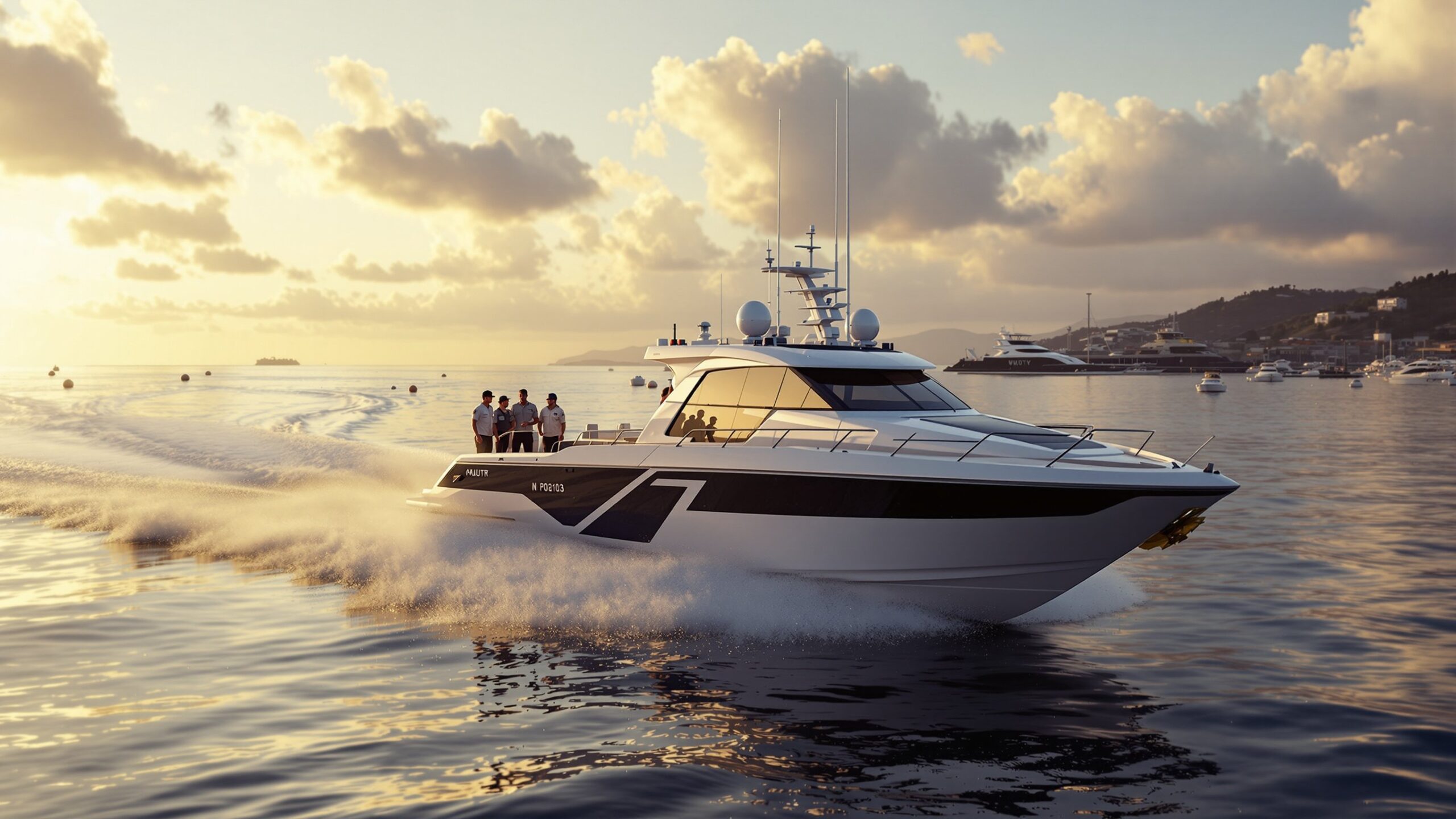
Navigating open water is about more than skill and adventure—it’s also about understanding the rules that keep every voyage safe and fair. Welcome to Boat Laws & Global Standards, your compass through the complex world of maritime regulations, international agreements, and everyday boating responsibilities. From required safety equipment and licensing rules to right-of-way etiquette and environmental protections, the legal side of boating shapes every launch and landing. Here at Boat Streets, we break those regulations into clear, practical guidance that helps captains cruise with confidence whether they’re exploring a local lake or crossing international borders. Our articles dive into coast-guard requirements, customs procedures, anchoring laws, speed zones, and the global conventions that connect mariners from Miami to Monaco. You’ll discover how standards for navigation lights, radio use, pollution control, and crew certification create a shared language across oceans. Boating should feel freeing, not confusing, and knowing the law is the key to stress-free adventures. Chart a smarter course with expert insights that turn legal jargon into plain sailing—and keep your time on the water focused on horizons, not headaches.
A: Often yes—COLREGs inform most navigation rules, with local inland variations depending on where you operate.
A: You may need to clear customs/immigration, follow local safety carriage rules, and comply with port-state inspections.
A: It depends—many areas require wear for children and PWCs, and some impose seasonal or special-zone wear rules.
A: Safe speed and wake/no-wake compliance—especially near marinas, swimmers, docks, and narrow channels.
A: Usually no—many regions restrict discharge of garbage of any kind; plastics are universally prohibited under international norms.
A: Domestic rules vary, but international cruising can trigger licensing/registration requirements—especially for offshore operations.
A: Taking payment (charter, instruction, passenger carriage) commonly triggers commercial standards, inspections, and credential requirements.
A: Registration/docs, safety gear checklist, maintenance notes, radio info, and any required permits in a waterproof folder.
A: Render assistance if safe, exchange required info, and report the incident per local reporting thresholds and timelines.
A: Follow invasive-species rules: clean, drain, dry; keep inspection receipts if provided; and obey transport restrictions.