
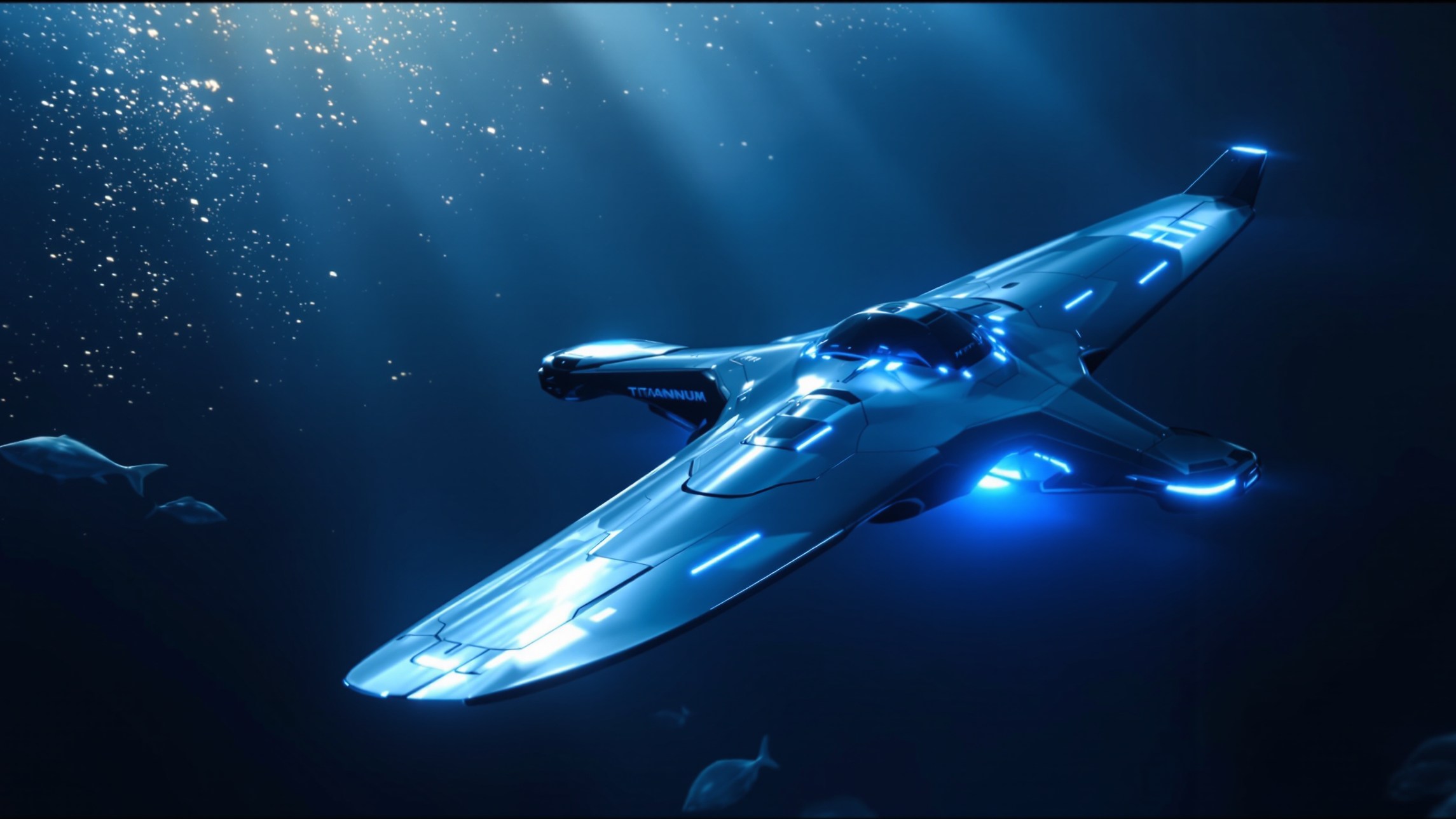
Beneath the surface of the world’s oceans, a new wave of innovation is quietly transforming how we explore, monitor, and understand marine environments. Marine robotics and drones are at the forefront of this evolution—blending advanced engineering, artificial intelligence, and precision navigation to reach places once considered inaccessible. From autonomous underwater vehicles mapping the seafloor to aerial drones tracking coastal changes in real time, these technologies are redefining what’s possible on and beneath the water. On this page, you’ll discover a curated collection of articles that dive into the cutting edge of marine robotics. Explore how these intelligent machines support scientific research, enhance maritime safety, streamline inspections, and even assist in environmental protection efforts. Whether it’s deep-sea exploration, offshore infrastructure monitoring, or search-and-rescue missions, marine drones are unlocking faster, safer, and more efficient solutions across the globe. Step into a world where robotics meets the ocean—and discover how innovation is reshaping the future of life at sea.
A: An ROV is tethered and remotely piloted; an AUV runs untethered using preplanned or autonomous navigation.
A: No. Many are used by hobbyists, anglers, educators, researchers, and content creators too.
A: Yes, especially if it has strong lights and sonar, though visibility still affects camera results.
A: Surface drones are great for mapping, patrol work, environmental monitoring, and long-duration data collection.
A: Extremely important—it affects mission range, sensor use, return safety, and overall practicality.
A: Not always. Many use direct control links, onboard autonomy, or local communications instead of internet service.
A: Yes. Many underwater drones are excellent for checking hull condition, props, intakes, and underwater fittings.
A: Not for every use, but it becomes very valuable for navigation, mapping, and work in dark or low-visibility water.
A: Entry-level models can be approachable, but advanced inspection and autonomous systems take more training.
A: Focus on stability, camera quality, battery life, ease of deployment, and the type of water missions you actually plan to do.