
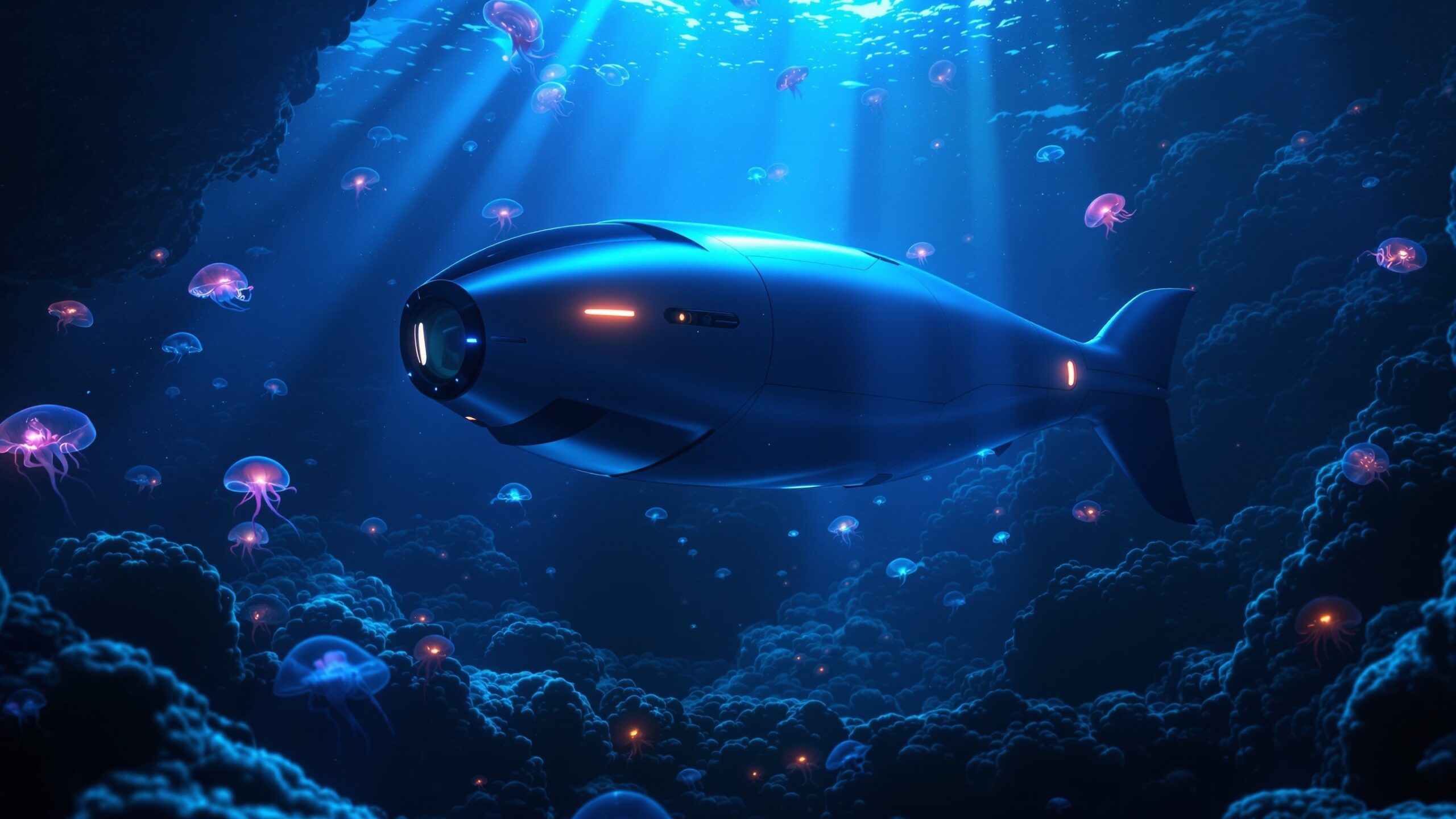
Dive into the cutting edge of discovery with Marine Research & Innovation—where science meets the vast, untamed blue. This dynamic hub explores how researchers, engineers, and ocean visionaries are unlocking the secrets of our waters, from deep-sea ecosystems to advanced marine technologies. Beneath every wave lies a world of data, innovation, and possibility—fueling breakthroughs that shape how we navigate, protect, and understand our oceans and waterways. From autonomous underwater vehicles and AI-powered mapping systems to sustainable marine engineering and next-generation conservation tools, this space brings together the ideas redefining life on and below the water. It’s where bold experiments meet real-world impact—enhancing safety, improving environmental stewardship, and pushing the limits of exploration. Whether you’re curious about futuristic ocean tech, groundbreaking research missions, or the innovations transforming boating and marine industries, Marine Research & Innovation is your launch point. Explore the articles ahead and discover how today’s ideas are shaping the future of our blue planet.
A: It is the use of science and technology to better understand, protect, and improve ocean and freshwater environments.
A: It improves navigation, safety, water monitoring, cleaner propulsion, and awareness of changing marine conditions.
A: A remotely operated vehicle is a tethered underwater robot used for viewing, inspecting, and working below the surface.
A: An autonomous underwater vehicle follows programmed missions to gather data without continuous pilot control.
A: They commonly use sonar systems that send sound waves downward and measure the returning signals.
A: Yes, through better sensors, cleaner propulsion, improved materials, and smarter tracking of waste and runoff.
A: Very much so; they help survey shorelines, wildlife areas, reefs, and vessel zones quickly from above.
A: Temperature, salinity, oxygen, depth, currents, imagery, sound, sediment, and biological observations.
A: No, it also includes bays, estuaries, rivers, lakes, wetlands, and other connected water systems.
A: Smarter autonomous platforms that can monitor marine environments longer, farther, and with less risk to crews.