
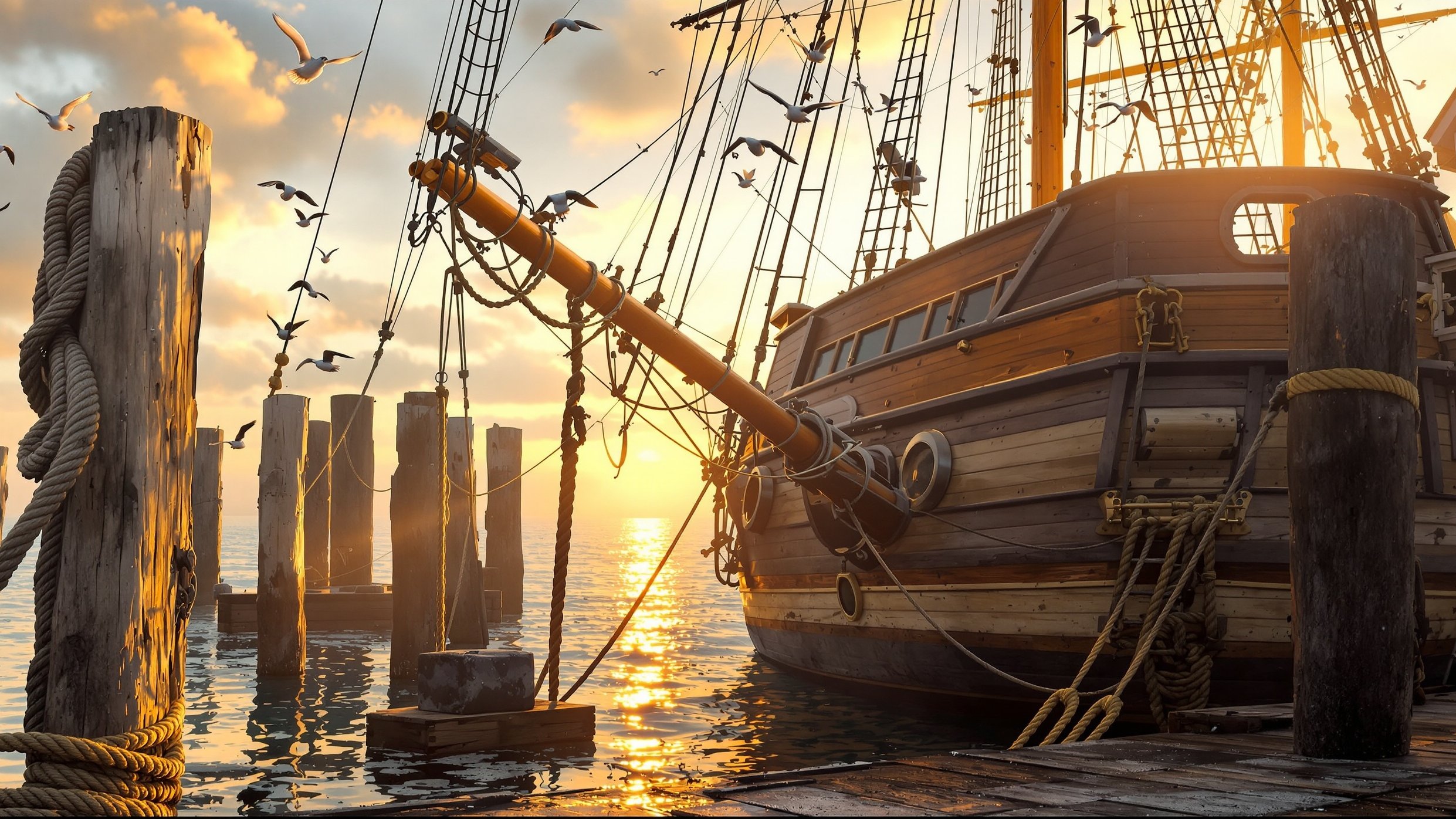
Salt air. Weathered wood. The echo of ship bells rolling across open water. Maritime Traditions & Heritage is where the stories of the sea come alive—stitched into sails, carved into figureheads, and passed down through generations of sailors, shipbuilders, and coastal communities. On Boat Streets, this collection explores the customs, craftsmanship, and culture that have shaped life along the world’s waterways for centuries. From age-old navigation techniques and ceremonial boat launches to legendary sea lore and harbor festivals, maritime heritage is more than history—it’s identity. It lives in the rhythm of working waterfronts, the artistry of wooden hull construction, and the enduring symbolism of anchors, knots, and signal flags. Every vessel carries a lineage. Every port tells a tale. Here, you’ll dive into traditions that connect modern boating enthusiasts with the explorers, fishermen, traders, and naval pioneers who charted the world before GPS and fiberglass. Whether you’re passionate about classic yachts, tall ships, coastal folklore, or preservation efforts, this hub celebrates the enduring spirit of the sea—and the timeless traditions that keep it sailing forward.
A: Practice good seamanship—check weather, respect right-of-way, and keep a clean, prepared deck.
A: Knots are reliable “tools” that work wet, under load, and in the dark—tradition kept the best ones alive.
A: A nautical mile is based on Earth’s geometry and maps; it matches latitude math used in navigation.
A: VHF is made for the water—shared channels, better range in many areas, and faster coordination with nearby boats.
A: Approach slowly, use lines and fenders early, communicate clearly, and avoid blasting wakes in tight spaces.
A: Match anchor style to bottom type, carry enough rode, and practice setting—tradition favors what holds, not what’s trendy.
A: Going too fast near docks, skipping checklists, ignoring wind/current, and underestimating cold-water risk.
A: Wind causes leeway—traditional navigation accounts for sideways drift so you arrive where you intend.
A: Some are playful, some are safety reminders in disguise—either way they’re part of the culture.
A: Visit working harbors, maritime museums, tall-ship events, and local boat clubs—listen to the stories.