
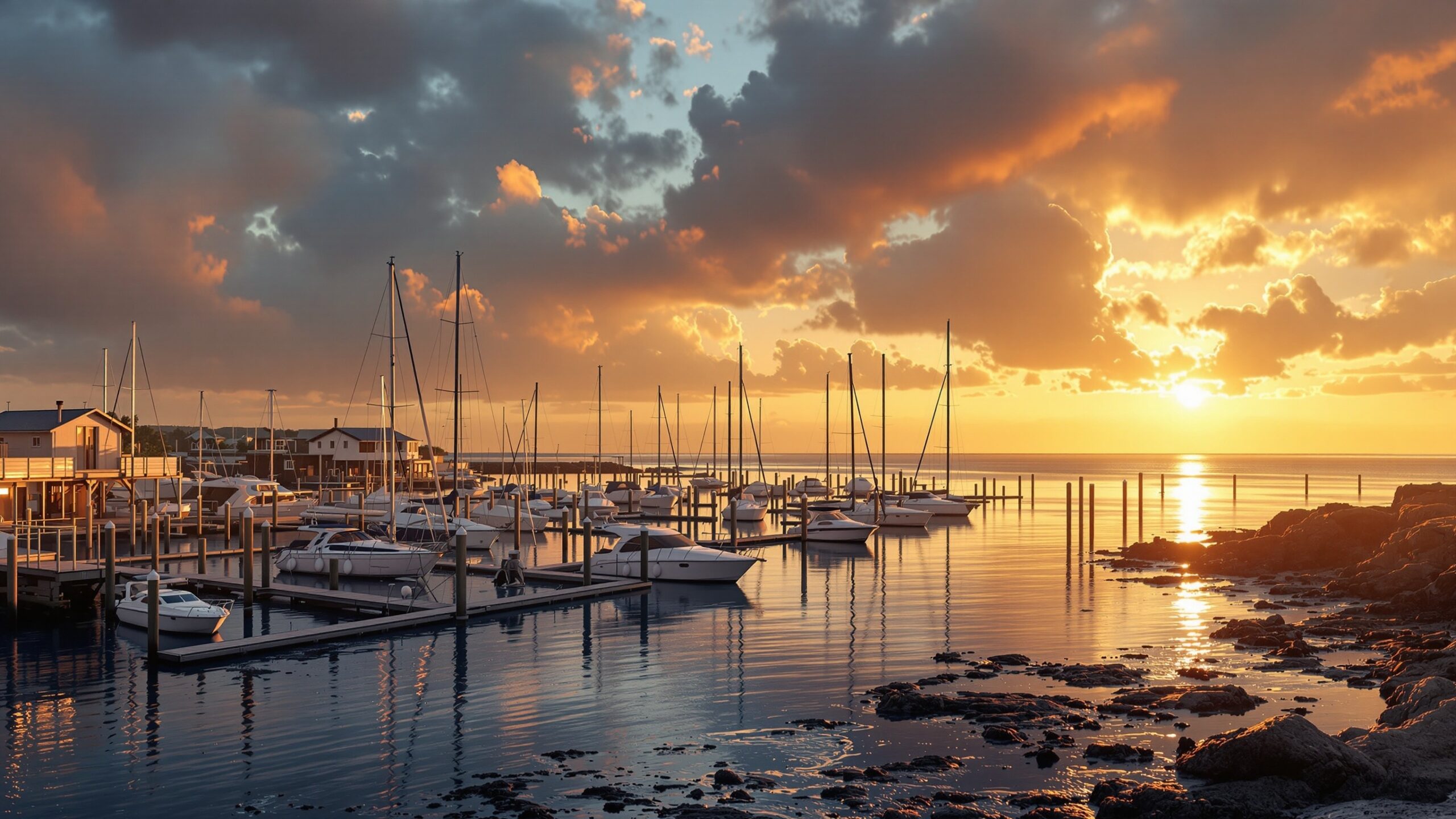
The world’s oceans are changing—and fast. From rising sea levels and warming waters to shifting currents and disappearing habitats, climate change is rewriting the story of our planet’s most powerful and mysterious ecosystems. But this isn’t just a distant environmental issue—it’s something every boater, coastal explorer, and water lover can see and feel firsthand. Welcome to Climate Change & Oceans, where science meets real-world impact on the water. Here, we dive into how melting polar ice is reshaping shorelines, why coral reefs are fading, and how marine life is adapting—or struggling to survive—in a rapidly evolving environment. You’ll explore the forces driving ocean change, uncover innovations aimed at protecting our waterways, and learn how everyday boating choices can make a meaningful difference. Whether you’re navigating inland lakes or open seas, understanding these changes helps you become a more informed, responsible, and connected part of the marine world. Because the future of boating—and the oceans themselves—depends on what we do next.
A: It can change weather patterns, raise sea levels, shift channels, increase flooding, and stress marine ecosystems.
A: Because greenhouse gases trap extra heat, and the ocean absorbs a large share of that energy.
A: It is the chemical change that happens when seawater absorbs carbon dioxide and becomes less alkaline.
A: Bleached reefs support less marine life, protect coasts less effectively, and can alter diving and boating destinations.
A: Warmer waters can provide more energy and moisture that may intensify certain storms.
A: Yes, fish ranges, migration timing, and local abundance can all shift with changing ocean conditions.
A: They are prolonged periods of unusually warm ocean temperatures that can damage habitats and marine species.
A: Stay current on weather, tides, and water conditions while supporting cleaner boating and healthy coastal habitats.
A: No, they also affect estuaries, wetlands, ports, infrastructure, and nearby communities inland.
A: Yes, thriving marine ecosystems can store carbon, protect coastlines, and support climate resilience.