
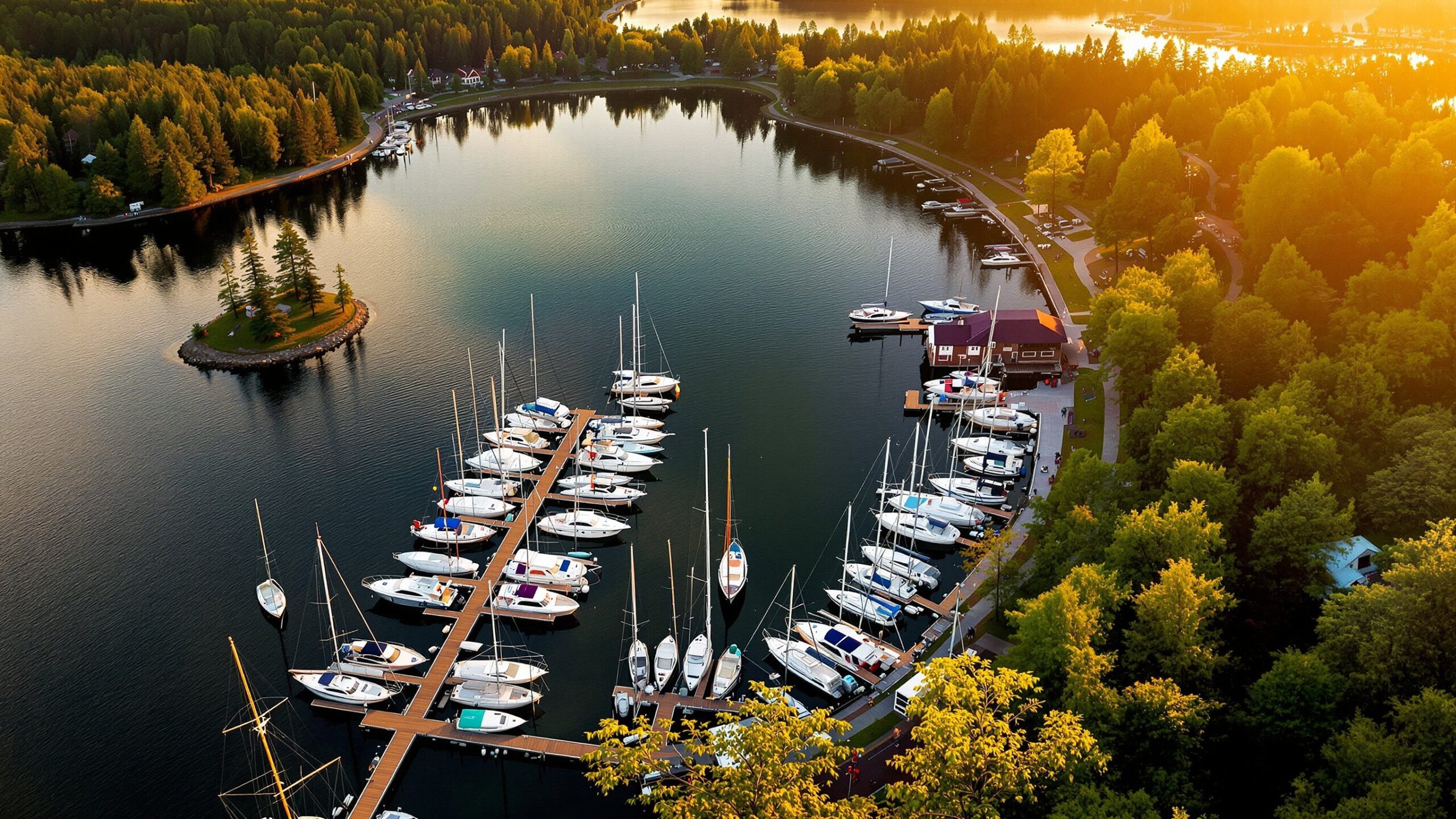
Welcome to Marina Guides & Harbor Hubs, your on-the-water gateway to exploring inland lakes and rivers with confidence and style. On Boat Streets, this collection of articles is designed for boaters who see marinas as more than docking points—they’re launchpads for adventure, community anchors, and essential wayfinding hubs along winding waterways. From quiet freshwater lakes tucked between forested shorelines to lively riverfront harbors buzzing with seasonal traffic, marinas shape the rhythm of inland boating. They provide fuel, provisions, repairs, transient slips, and local insight that can transform a simple cruise into a seamless weekend escape. But not all harbor hubs are created equal. Water depth, approach channels, current patterns, dock configurations, amenities, and nearby attractions all play a role in choosing the right stop. In this section, you’ll discover how to evaluate marina layouts, understand river traffic flow, navigate lock systems, and plan safe arrivals in changing lake conditions. Whether you’re cruising for relaxation or charting a multi-day inland voyage, these guides help you dock smarter, travel farther, and enjoy every harbor along the way.
A: Rig fenders/lines, brief the crew, check wind/current, and confirm your slip or docking plan.
A: The slowest speed that maintains steering while producing minimal wake—often near idle/displacement speed.
A: If possible, dock into whichever is stronger for better control—often current in tidal areas.
A: Bow, stern, and at least one spring line; add extras for surge, rafting, or longer stays.
A: Start on VHF 16 to hail, then switch to the working channel they request.
A: Use chafe protection at rub points, set proper line angles, and allow for tide/surge movement.
A: Go slow, assign a line-handler, prepare payment/fuel type, and keep the boat under tight control in bursts.
A: Only if connections are intact, dry, and strain-relieved; keep plugs off the dock and inspect regularly.
A: Abort early if needed, reset for a better angle, and use spring lines to “walk” the boat alongside.
A: Pause outside the fairway, reassess wind/current, call the dock for guidance, and make a calm, slow plan.