
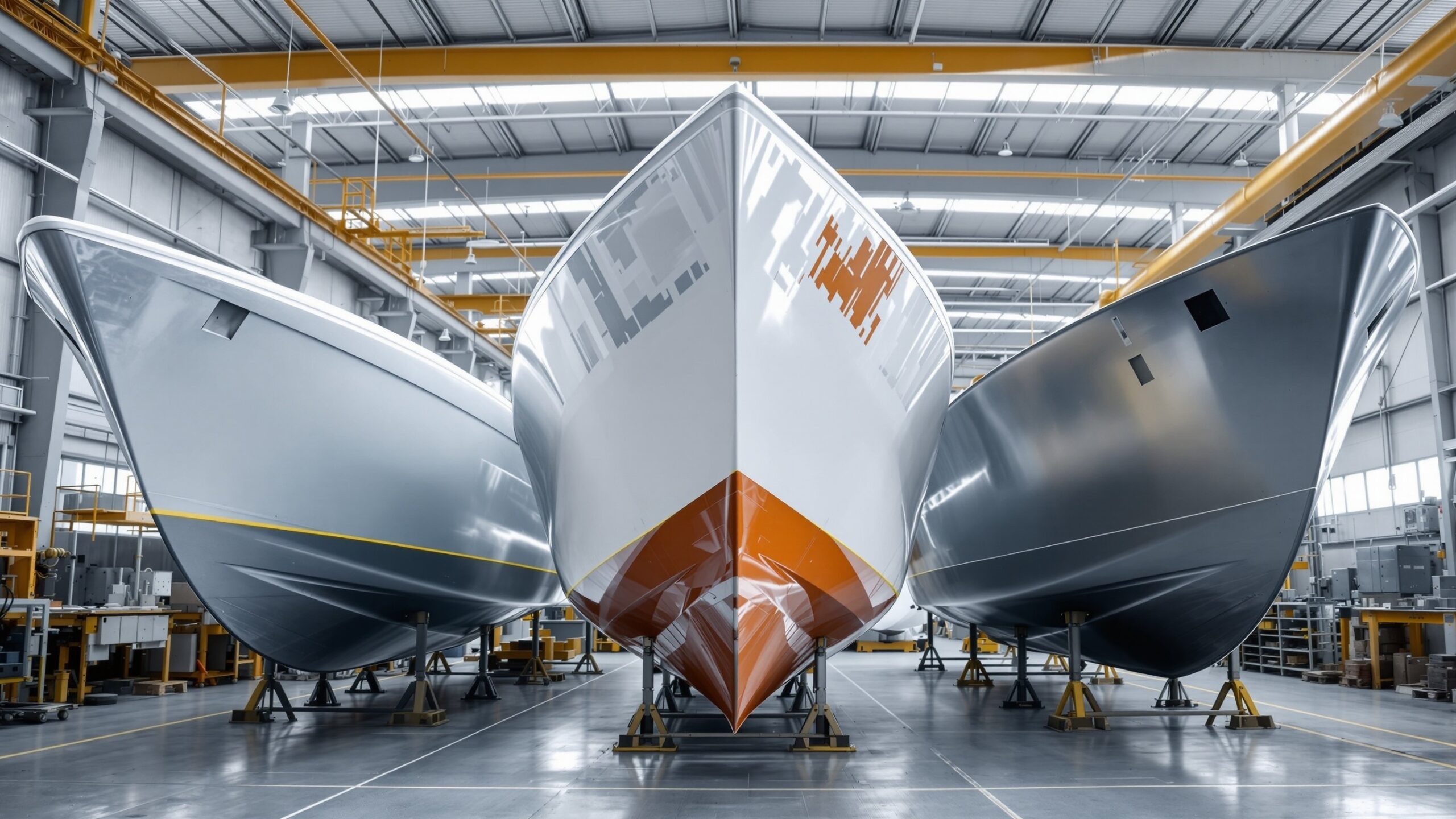
Every great boat begins with a brilliant hull. Beneath the sleek lines and shining decks lies the true heart of marine performance—how a vessel is built, what materials shape it, and how those choices affect speed, strength, efficiency, and safety on the water. Welcome to the Hulls, Materials & Construction hub on Boat Streets, where craftsmanship meets cutting-edge marine engineering. From classic fiberglass hulls to advanced carbon fiber designs, modern boat construction blends decades of nautical tradition with breakthrough technology. The shape of a hull determines how smoothly a vessel glides through waves, while the materials used influence everything from durability and weight to fuel efficiency and long-term maintenance. Whether you’re exploring deep-V offshore hulls, lightweight composite builds, aluminum workboats, or innovative hybrid construction techniques, every design decision tells a story about how a boat is meant to perform. In this section, you’ll discover expert insights into the structures that define today’s boats—from recreational cruisers to serious fishing machines. Dive into guides, explainers, and comparisons that reveal how hull design and construction methods shape the boating experience from keel to deck.
A: It depends on use: fiberglass is common and versatile; aluminum is tough and light; each has tradeoffs in ride and upkeep.
A: Look for spongy spots, persistent leaks, and use tap-testing—surveyors often use moisture meters for confirmation.
A: Not always—small surface cracks can be cosmetic, but repeated cracking near stress points can signal flexing or structural movement.
A: One that’s sealed, mechanically secure, and shows no weeping, loose fasteners, or stress cracks along the seam.
A: Many are manageable, but widespread blistering or deep laminate issues warrant a professional evaluation and barrier-coat plan.
A: Avoid dissimilar-metal contact, maintain anodes, keep wiring tidy, and repair coating damage quickly.
A: Hull shape, speed, trim, and weight distribution all contribute—sometimes small trim/weight changes dramatically improve ride.
A: Not automatically—design, structure, freeboard, and seaworthiness features matter as much as weight.
A: Any time you see leaks or movement; proactively every few years on high-load fittings is common to prevent core damage.
A: A professional marine survey, including moisture readings and structural inspection, especially around through-hulls, transom, and stringers.