
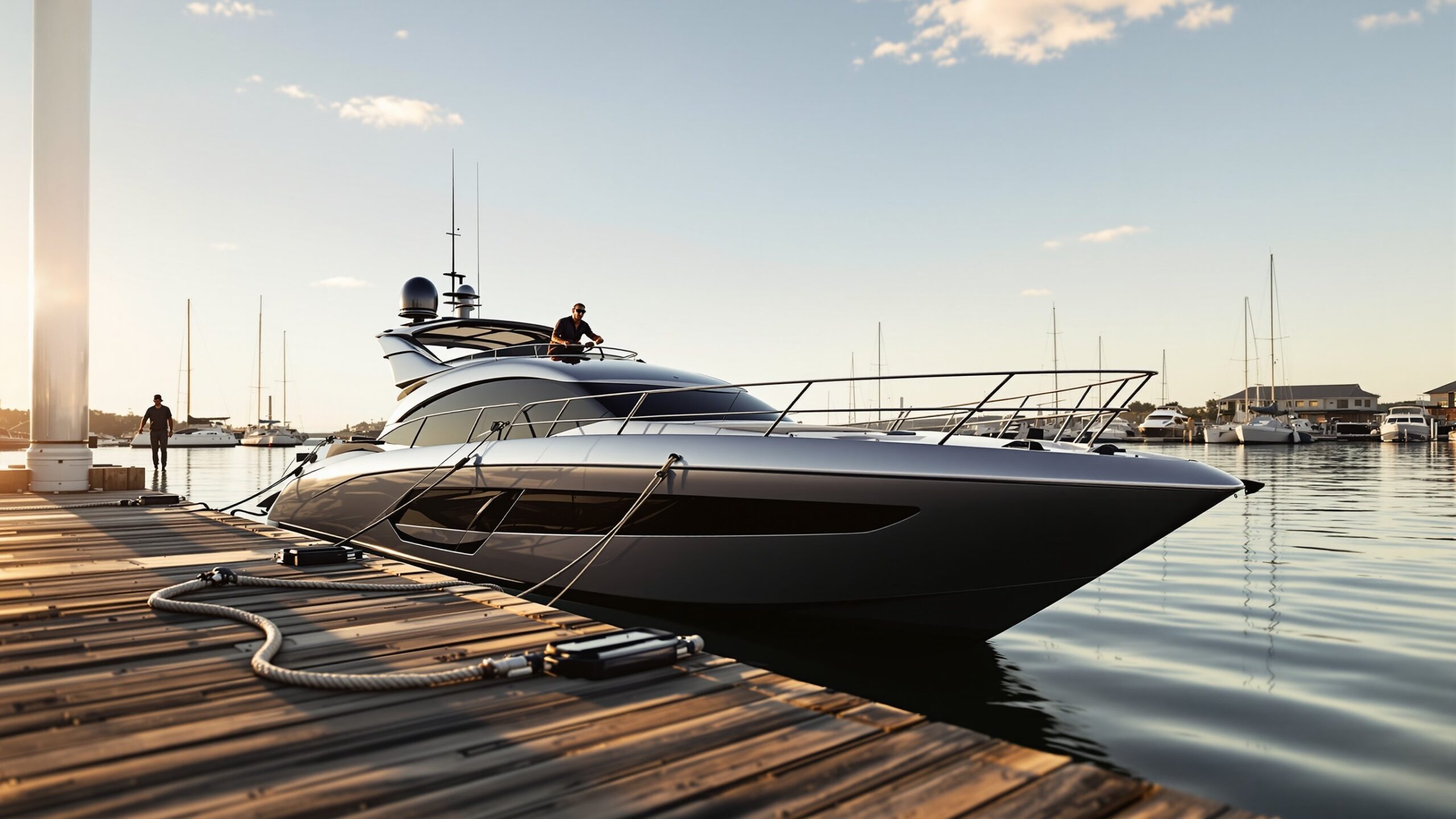
Docking, mooring, and anchoring are the quiet skills that turn boating from stressful guesswork into smooth, confident seamanship. Whether you’re easing into a busy marina slip, securing your boat for the night, or dropping anchor in a peaceful cove, these moments define how safely and comfortably your time on the water unfolds. Mastering these techniques isn’t just about ropes and anchors—it’s about understanding wind, current, boat handling, and the rhythm of the water. In this Docking, Mooring & Anchoring hub on Boat Streets, you’ll discover practical guides, expert tips, and real-world insights that help boaters of every experience level gain confidence at the helm. From choosing the right anchor type to learning smart line setups for marinas and mooring fields, each article breaks down essential skills into clear, approachable lessons. You’ll explore strategies for docking in tight spaces, handling crosswinds, selecting reliable anchor gear, and securing your boat safely overnight. Whether you’re cruising coastal harbors, exploring inland lakes, or dropping anchor in a hidden bay, these skills help every arrival feel smooth and every departure effortless. With the right knowledge, every stop on your boating journey becomes part of the adventure.
A: Slow down. Use idle + brief gear bursts, and commit to going around early if the setup isn’t right.
A: Bow and stern lines plus at least one spring line—two spring lines is even better for control.
A: At the widest contact points (often midship) and near the stern quarter; match height to the dock edge.
A: Start around 5:1 in calm conditions; use 7:1+ when it’s windy, crowded, or overnight.
A: Back down gently to increase load, then verify you’re not drifting using shoreline transits or GPS.
A: Typically from the bow for stability and safety—stern anchoring can be risky in swell or current.
A: To stop forward motion, hold position, and pivot the boat into the dock with controlled engine thrust.
A: Approach slowly from downwind/downcurrent, snag the pennant with a boat hook, then secure to a bow cleat/bridle.
A: Approach at a slightly steeper angle, secure a line fast (often midship/spring), and use gentle power to hold while tying.
A: When you need to limit swing (tight anchorage) or in reversing current—only if you’re comfortable managing rodes and tangles.