
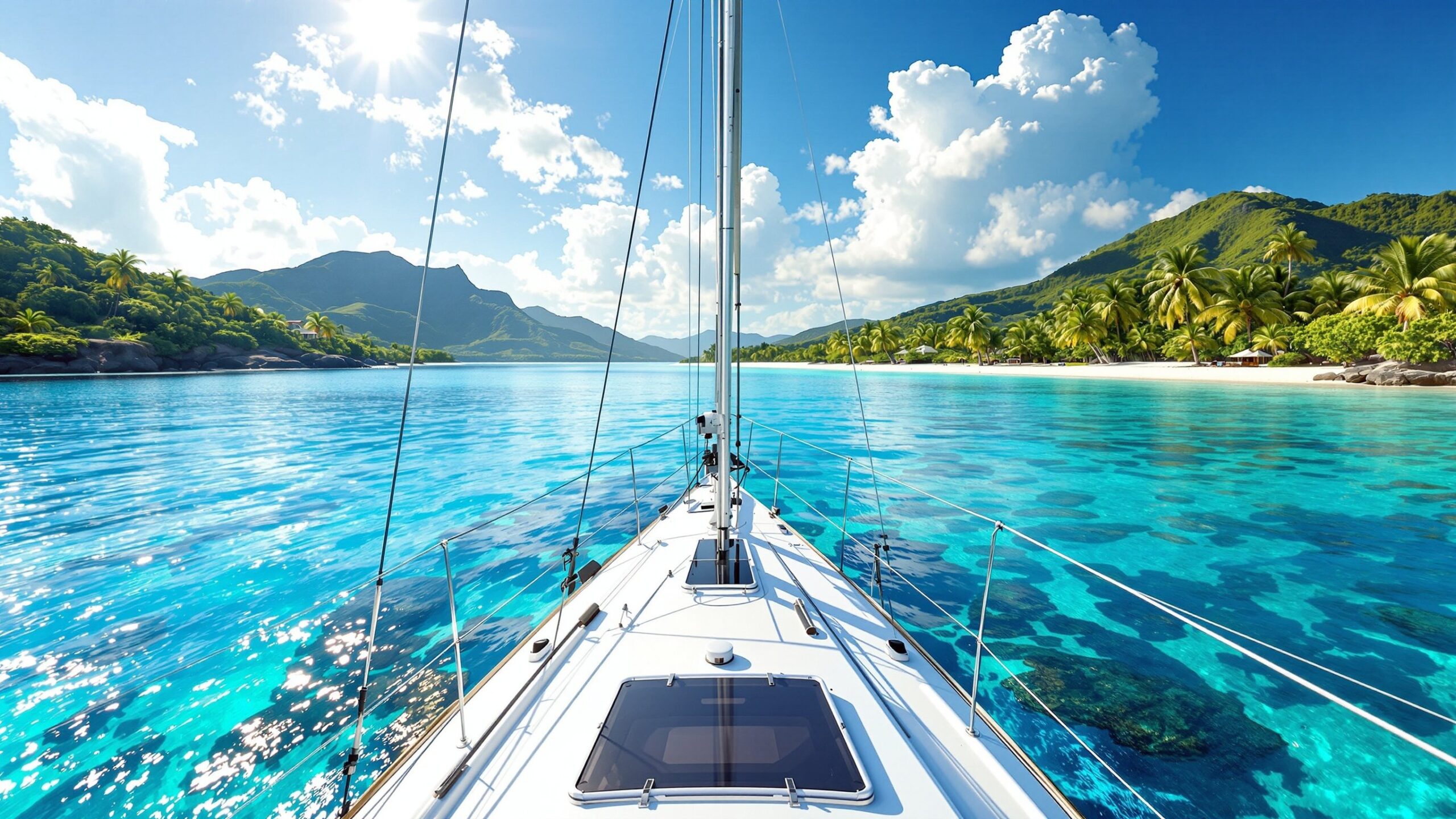
Island & Tropical Routes is where turquoise horizons stretch endlessly and every charted line leads to discovery. This is your gateway to warm-water passages, palm-lined harbors, coral gardens, and trade-wind crossings that define the world’s most unforgettable cruising grounds. From short island hops to multi-day bluewater passages, tropical routes offer a blend of relaxed navigation, vibrant coastal culture, and breathtaking natural beauty. On this page, you’ll explore curated guides to legendary cruising regions, seasonal wind patterns, anchorage strategies, marina planning, reef awareness, and provisioning in paradise. Learn how to read shifting squalls on the horizon, plan safe passages through shallow banks, and time your journey with hurricane seasons and trade winds. Discover hidden coves, bustling waterfront towns, and remote atolls where the only schedule is sunrise and tide. Whether you’re mapping a Bahamas escape, a Caribbean circuit, or a South Pacific dream, Island & Tropical Routes helps you cruise smarter, safer, and with deeper appreciation for the waters beneath your keel—and the cultures waiting ashore.
A: Early morning is often calmer; aim to arrive with plenty of daylight for reef reading and anchoring.
A: Prioritize protection from prevailing wind and swell direction, good holding (usually sand), and room to swing.
A: Use conservative scope based on depth + freeboard, and set hard—tropical squalls can hit suddenly.
A: It depends on condition and load. Inspect the gear; if in doubt, anchor or back it up with your own line.
A: Anchor only in sand, use a spotter, and never drag. Reposition if you can’t confirm a clean set.
A: Pushing a schedule through bad weather or arriving late—fatigue and low visibility multiply risk.
A: Start engines if needed, check your set, reduce windage, and be ready to reset or move if you start to slide.
A: It’s high-risk. If unavoidable, slow way down, increase lookout discipline, and use every cross-check available.
A: Plan for gaps: carry shelf-stable staples, extra water, and a backup meal plan for delayed crossings.
A: Fuel reserve plan, weather window, comms backups, bilge/steering, ground tackle readiness, and a daylight arrival plan.