
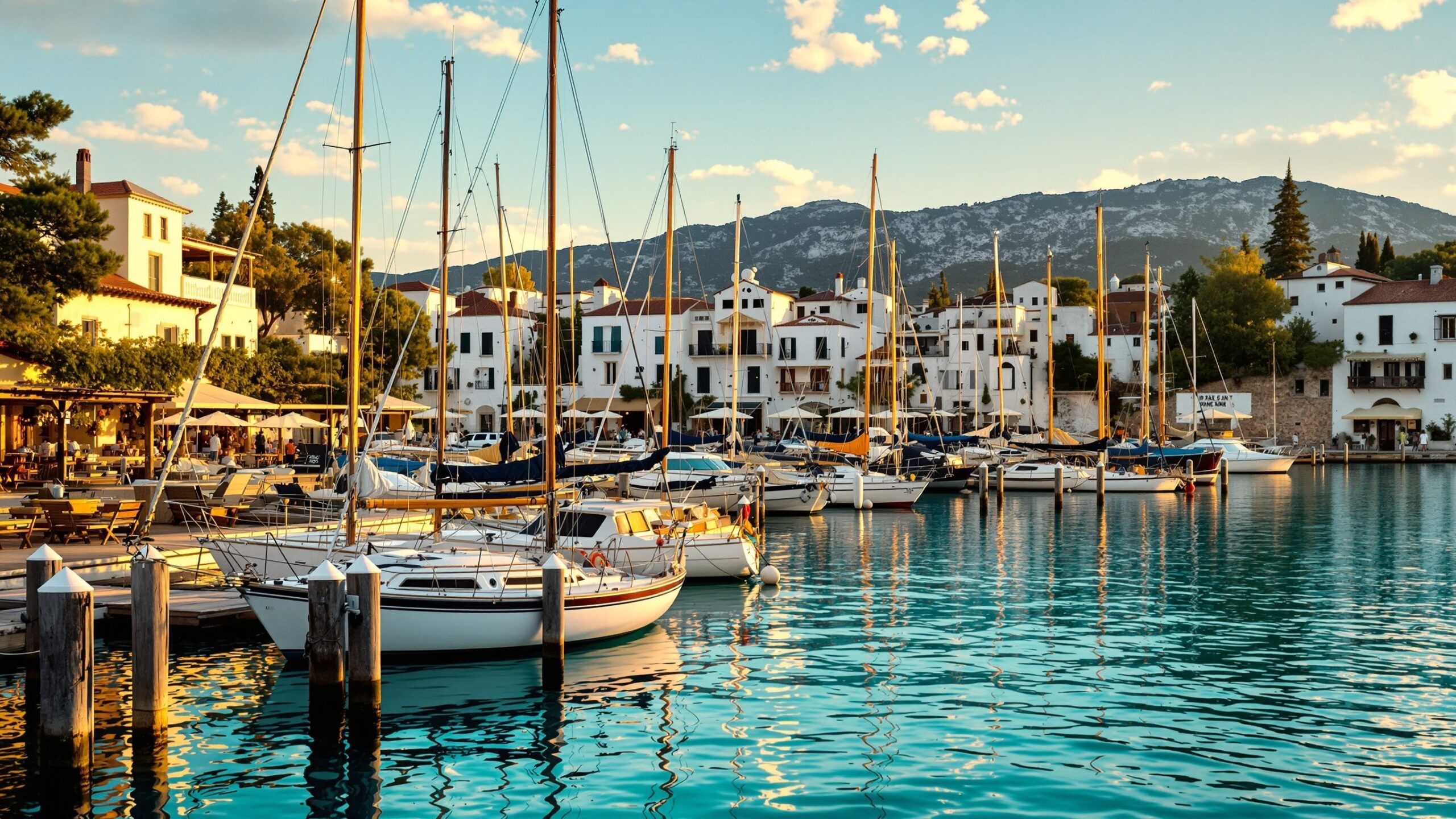
Marinas and harbors are more than places to tie up a boat—they are living postcards of the nautical world, where salt air mingles with laughter, clinking halyards, and the promise of the next horizon. Marina & Harbor Galleries on Boat Streets invites you to wander these waterfront gateways through stunning photography, stories, and insider perspectives. From sun-washed Mediterranean ports to rugged New England coves, every gallery captures the personality of the docks that shape boating culture. You’ll explore rows of gleaming yachts at golden hour, weathered fishing harbors waking before dawn, and quiet slips where sailboats rock like sleeping seabirds. This collection celebrates the details boaters love—the glow of marina lights on rippled water, colorful signal flags snapping in the breeze, and the welcoming hum of shoreline cafés. Each article opens a window into a different harbor community, revealing history, architecture, and the everyday rhythm of life at the water’s edge. Whether you’re dreaming up your next voyage, hunting for design inspiration, or simply craving a virtual escape, these galleries bring the dockside experience straight to your screen and remind you why every great adventure begins at a marina.
A: “No-wake” slow—use short bursts in/out of gear to maintain control.
A: Typically 4–6: bow, stern, and at least two spring lines for stability.
A: Between your boat and the dock/pilings—set height to match contact points.
A: It prevents the boat from surging forward/back and can help you “spring” off a dock.
A: Shoot early/late, use reflections, and avoid frames with readable numbers or logos.
A: Yes—especially hardware and canvas—salt residue accelerates corrosion and wear.
A: A harbor is the sheltered water area; a marina is the facility with slips, services, and docks.
A: Approach into the wind if possible, go slow, and use crew lines—never jump off with force.
A: Coming in too fast—speed removes time, options, and precision.
A: Wide symmetry shots, reflections, textured details, and one “human-scale” scene for context.