
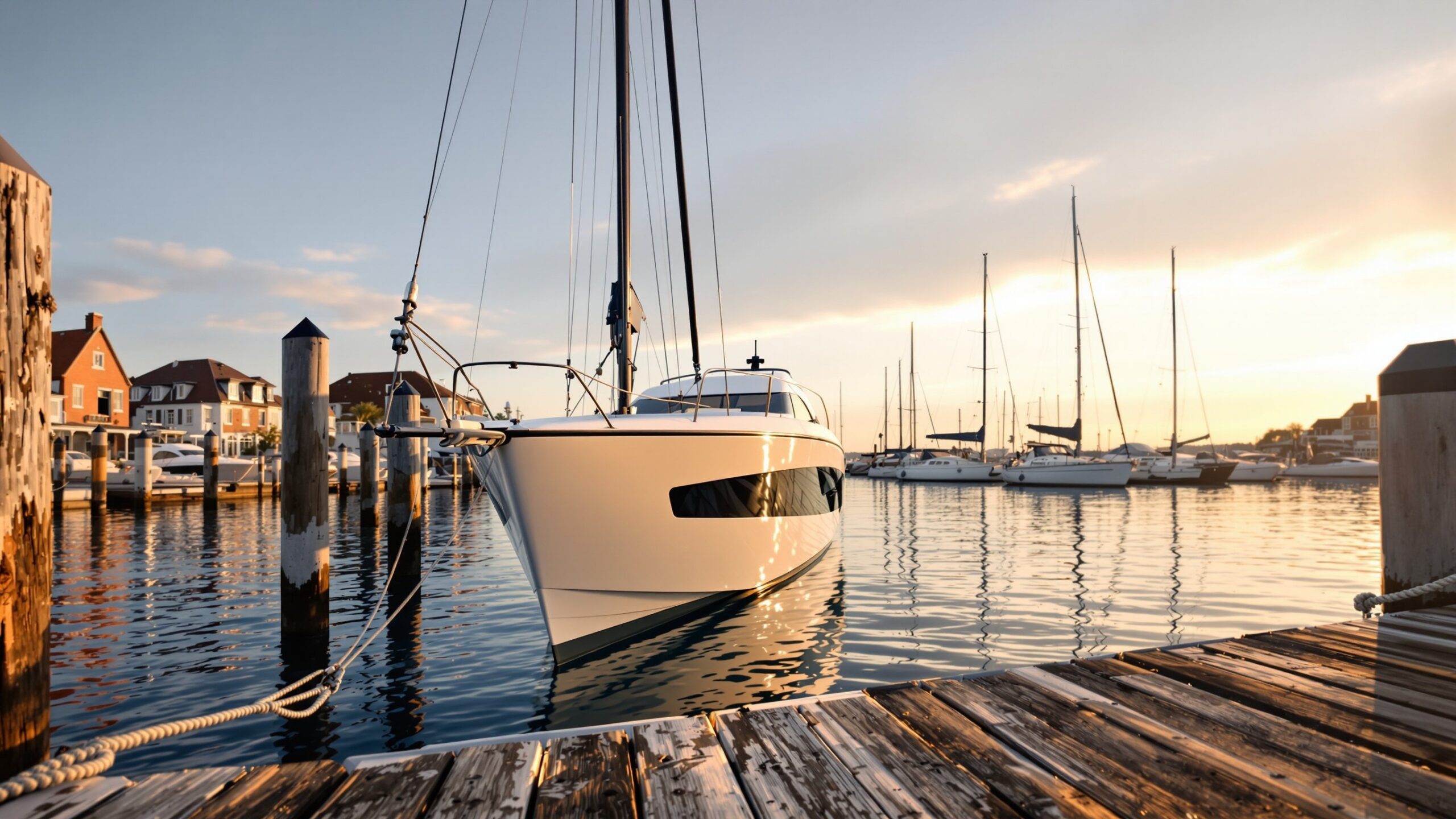
Docking a boat is one of the most satisfying—and sometimes nerve-racking—moments in boating. Whether you’re easing into a crowded marina, approaching a quiet lakeside dock, or lining up alongside a fuel pier, the art of docking and maneuvering is where seamanship truly comes to life. It’s a blend of skill, awareness, timing, and confidence on the water. Mastering docking isn’t just about steering straight toward a dock. Wind, current, boat size, propulsion type, and surrounding traffic all play a role in every approach. Experienced boaters know that smooth maneuvering begins long before you reach the dock, with careful observation, controlled speed, and smart positioning. This section of Boat Streets is dedicated to helping boaters develop the techniques that make docking safer, smoother, and far less stressful. From beginner fundamentals to advanced close-quarters handling, you’ll discover practical strategies for maneuvering in tight marinas, dealing with crosswinds, approaching slips, and handling single-engine or twin-engine boats with precision. Whether you’re a first-time captain or a seasoned cruiser looking to refine your skills, these guides will help you dock with confidence, control, and calm—every time you return to shore.
A: Carrying too much speed into the dock and trying to fix everything at the last second.
A: Yes, whenever possible, because it improves low-speed control and shortens stopping distance.
A: At least enough to protect the contact side well—usually three is a practical starting point for many boats.
A: It is the sideways pull from the propeller, most noticeable in reverse on many single-engine boats.
A: No, crew should step off only when safe and never try to stop the boat with their body.
A: It depends on the setup, but a spring line is often the most useful for controlling movement.
A: Abort early, circle around, and make another calm approach rather than forcing a bad landing.
A: Not always, but they can make close-quarters maneuvering much easier in wind or tight slips.
A: Use buoys, markers, or imaginary dock lines in open water and rehearse approach angles and stops.
A: Both matter, but smooth throttle timing usually has the biggest effect on low-speed precision.