
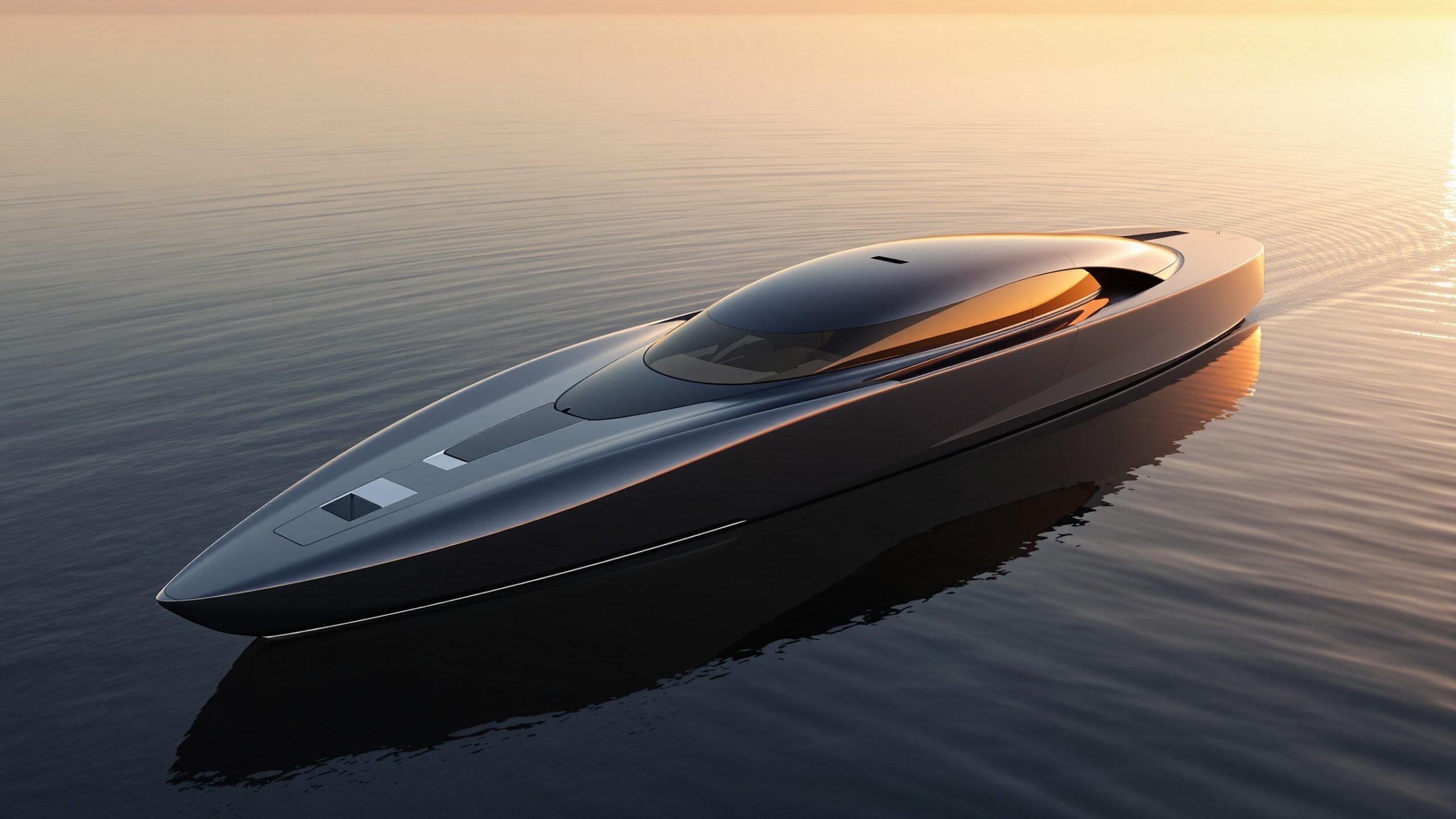
Future propulsion systems are redefining what it means to move across water—quietly, efficiently, and with a level of intelligence once reserved for science fiction. From fully electric drivetrains that glide across lakes with near-silent precision to hydrogen fuel cells promising long-range, zero-emission cruising, today’s innovations are reshaping boating at every level. Hybrid propulsion setups are bridging the gap between performance and sustainability, while advanced energy management systems optimize power use in real time. Meanwhile, breakthroughs in materials, battery density, and smart integration are unlocking lighter, faster, and more adaptable vessels built for the demands of tomorrow. But propulsion is no longer just about speed—it’s about experience. Imagine instant torque for seamless acceleration, reduced vibration for a smoother ride, and intelligent systems that learn your patterns to enhance efficiency automatically. Whether you’re exploring coastal waters or navigating inland routes, these technologies are transforming how boats perform, feel, and connect with their environment. Dive into the future of propulsion and discover the systems driving the next generation of marine innovation.
A: It is any next-generation method of moving a boat, including electric, hybrid, hydrogen, and alternative-fuel designs.
A: Yes for many short-range, recreational, and near-shore uses, especially where charging access is available.
A: Range, charging infrastructure, and battery weight remain the biggest hurdles for many boat types.
A: They bridge today’s fuel-based systems and tomorrow’s cleaner propulsion with added flexibility.
A: Not universally; hydrogen may suit longer-range or larger vessels, while batteries fit many smaller use cases today.
A: Many electric systems can reduce mechanical complexity, but they still require careful battery and electronics care.
A: In some sectors they may, but the transition will likely happen gradually and differently across boat categories.
A: Not necessarily; some are optimized for efficiency, while others deliver impressive acceleration and modern performance.
A: Look at range, refueling or charging convenience, upfront cost, maintenance, and intended boating style.
A: A mix of electric, hybrid, hydrogen, and cleaner fuel systems designed around different boating missions.