
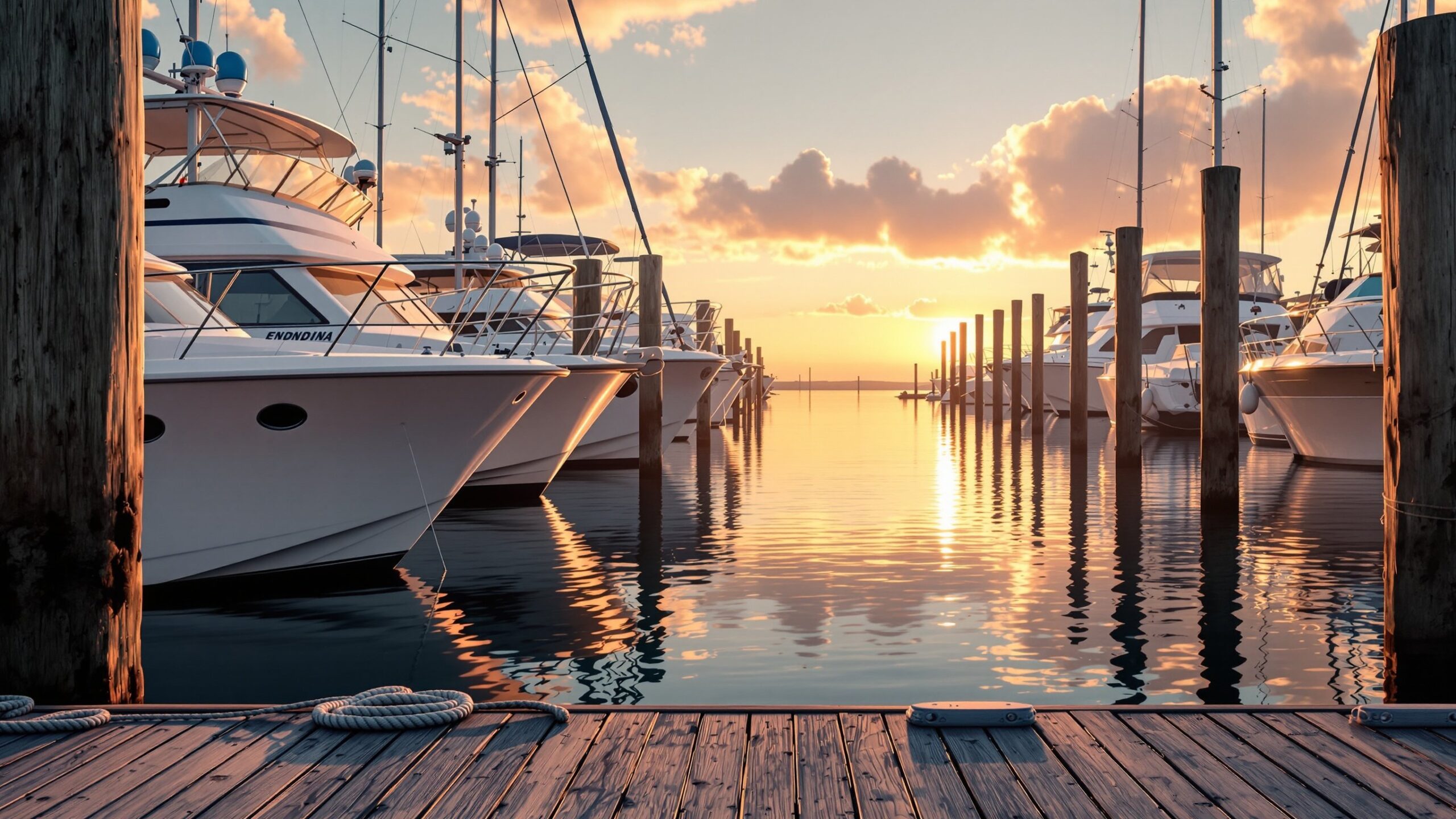
Buying a boat is more than a purchase—it’s the beginning of a lifestyle filled with open water, sunrise departures, and unforgettable destinations. But before the first line is cast or the anchor drops, understanding the financial side of boating is essential. Boat Financing & Costs explores the real numbers behind life on the water, helping boaters navigate everything from loans and insurance to maintenance budgets and ownership expenses. Whether you’re considering your very first vessel or upgrading to a larger cruiser, the financial journey can feel as complex as charting a new coastline. Boat loans, marina fees, fuel costs, seasonal storage, repairs, and registration all play a role in the total cost of ownership. The good news? With the right knowledge and planning, boating can be both manageable and incredibly rewarding. In this section of Boat Streets, you’ll discover expert insights, practical guides, and real-world breakdowns designed to help you plan smarter and spend wisely. From understanding financing options to estimating long-term ownership costs, these articles will help you build a clear financial map—so you can focus less on the bills and more on the adventures waiting beyond the dock.
A: Put down what keeps payments comfortable and leaves cash for taxes, insurance, and a maintenance reserve.
A: New can reduce early surprises with warranty; used can lower purchase price—condition and history matter most.
A: Plan for insurance, storage/slip, fuel, routine maintenance, and a repair cushion for surprises.
A: Strongly recommended for used boats—it can uncover hidden issues and support price negotiations.
A: Storage/haul-out, winterization, trailer upkeep, registration fees, and electronics/canvas repairs.
A: Sometimes through the dealer/loan structure, but paying cash for upgrades can keep the loan cleaner and cheaper.
A: Increase down payment, choose a shorter term if feasible, improve credit profile, and avoid rolling in non-essential add-ons.
A: Verify title and liens, use a bill of sale, confirm HIN, and handle funds with an escrow/service when possible.
A: Use typical cruising speed, track gallons per hour, and multiply by expected seasonal hours—not worst-case numbers.
A: Clean maintenance records, good cosmetic care, timely servicing, and fixing issues before they stack up.