
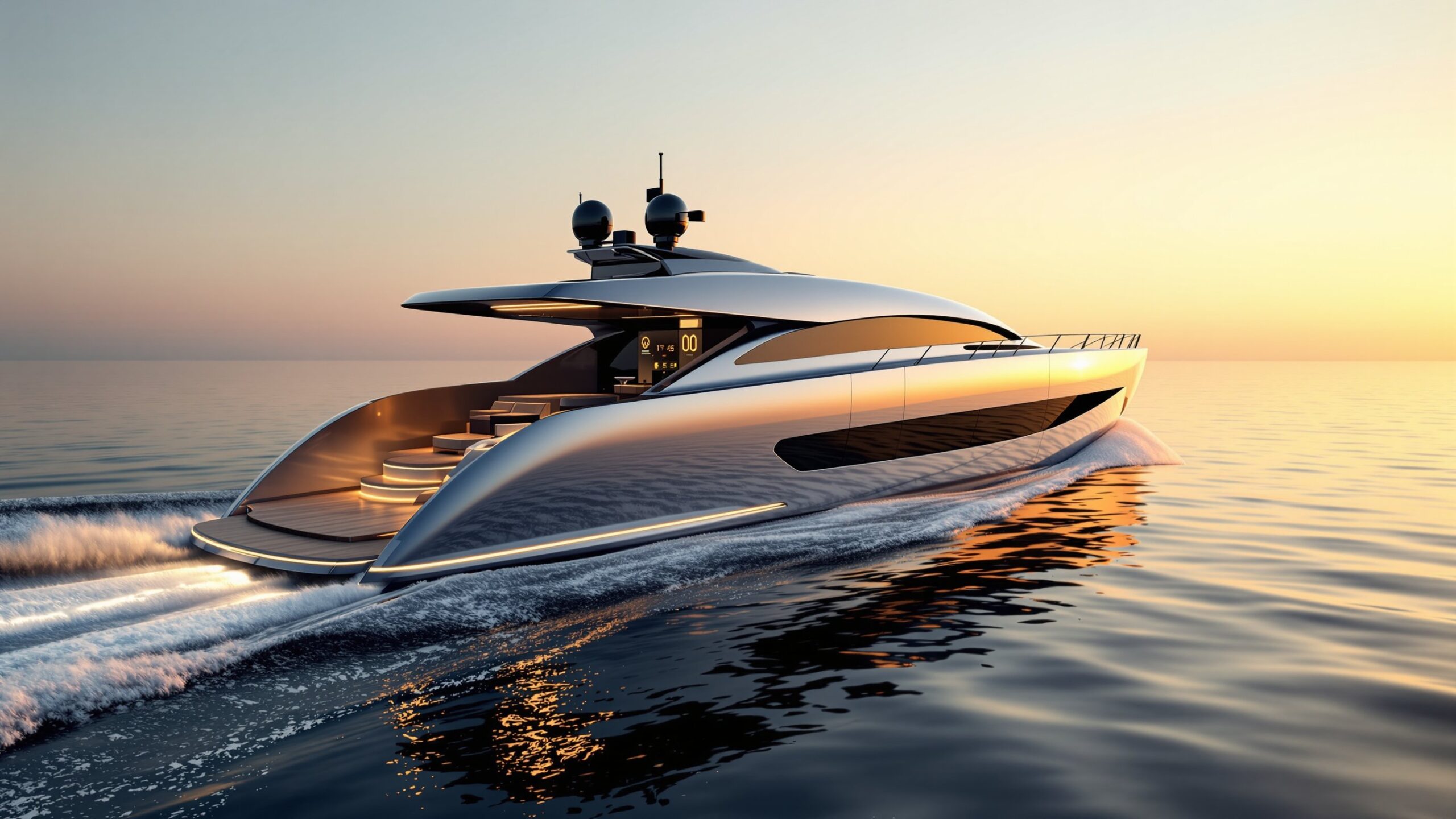
Charting a course across open water has never been more intelligent, precise, or exhilarating. Welcome to Advanced Navigation Systems—where cutting-edge technology meets the timeless art of seamanship. Today’s marine navigation tools go far beyond simple maps and compasses, transforming every journey into a data-driven, confidently guided experience. From real-time GPS positioning and multi-layered chartplotters to radar integration, sonar mapping, and AI-assisted route optimization, modern systems are redefining how boaters explore, plan, and navigate. Whether you’re cruising coastal waters, navigating tight marinas, or venturing offshore, advanced navigation systems deliver clarity in moments that demand precision. They enhance situational awareness, reduce uncertainty, and empower both seasoned captains and new boaters to make smarter decisions on the water. Seamless connectivity, intuitive interfaces, and powerful integrations bring weather, traffic, and depth data together in one unified view. In this section of Boat Streets, you’ll discover expert insights, in-depth guides, and trusted reviews that break down the latest innovations—helping you navigate farther, safer, and with total confidence.
A: Usually the chartplotter is the hub, but the real value comes from how all sensors and tools work together.
A: Not always, but it becomes much more valuable in fog, darkness, crowded waterways, or coastal travel.
A: No. AIS shows equipped vessels broadcasting data, while radar detects physical targets whether they transmit or not.
A: It can steer, but a person must always remain alert and in control of navigation decisions.
A: They are powerful, but smart boaters still use visual checks, local knowledge, and backups.
A: Antenna placement, weak signal, outdated charts, or heading sensor issues can all affect how data appears.
A: It improves directional accuracy for radar overlays, chart orientation, and autopilot response.
A: No. It also helps with depth awareness, bottom reading, and safer navigation in changing waters.
A: Regularly—especially before major trips, seasonal launches, or boating in unfamiliar regions.
A: A combination of paper charts, a handheld GPS, a VHF radio, and practiced basic navigation skills.