
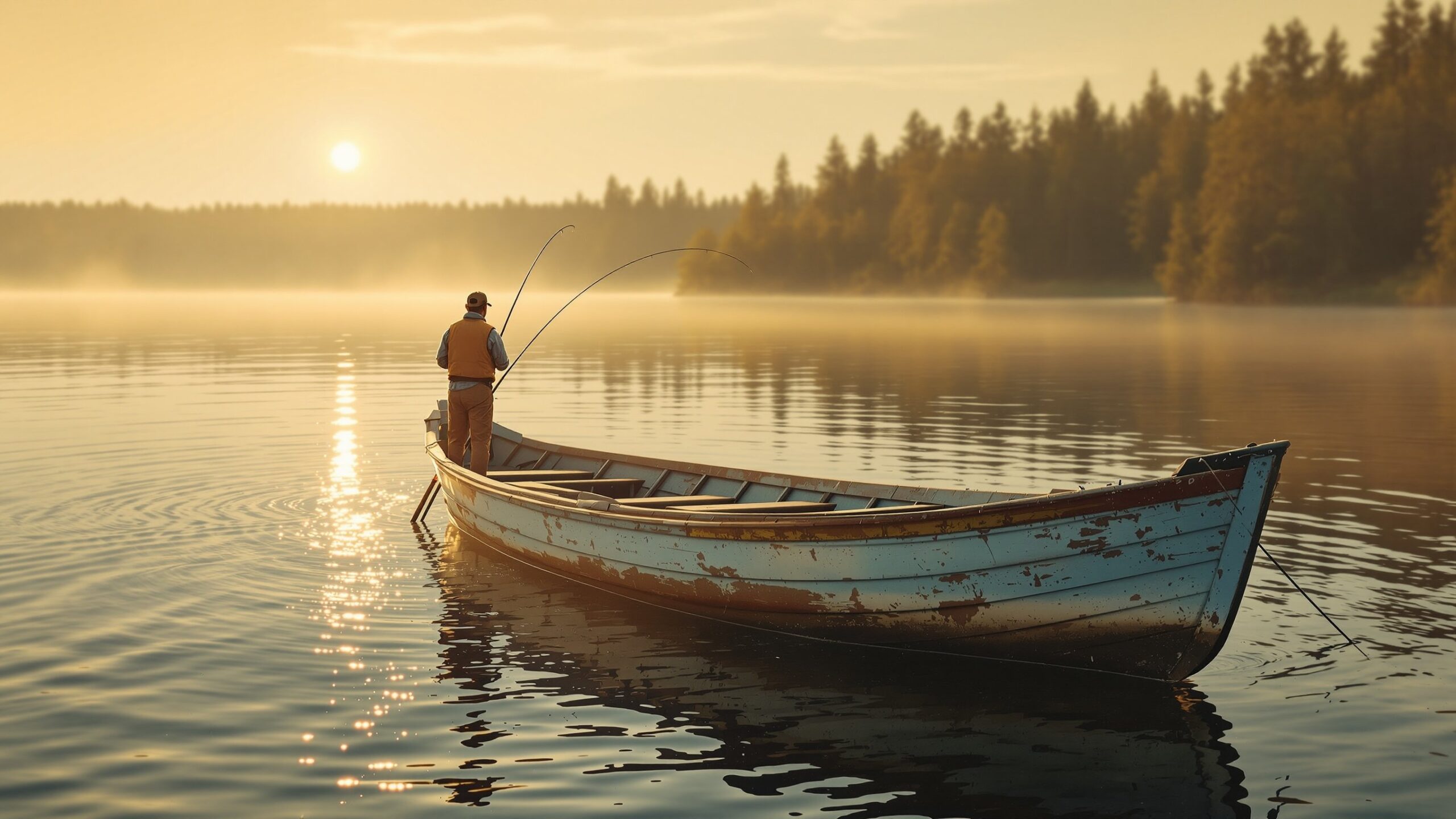
Fishing from a boat opens an entirely new world of strategy, adventure, and precision on the water. Unlike shoreline angling, boat fishing allows you to chase deeper channels, explore hidden structure, and position yourself exactly where the fish are feeding. From trolling across open water to carefully drifting along reefs, mastering fishing techniques on boats transforms a simple outing into a true aquatic pursuit. In this section of Boat Streets, you’ll explore a wide range of boat-based fishing methods used by recreational anglers and seasoned captains alike. Learn how techniques like trolling, jigging, drifting, bottom fishing, and casting change depending on the water, the season, and the species you’re targeting. Discover how boat positioning, current reading, electronics, and specialized gear all work together to improve your success on the water. Whether you’re fishing freshwater lakes, winding rivers, or vast coastal waters, the right technique can make the difference between a quiet day and an unforgettable catch. Dive into our collection of guides and sharpen the skills that help anglers turn every boat trip into a productive and exciting fishing adventure.
A: Trolling helps locate fish; casting is ideal when fish or structure are pinpointed.
A: Anchor when fish are tight to one productive spot or structure and current allows control.
A: Braid is versatile for sensitivity; add a fluorocarbon leader for stealth and abrasion resistance.
A: Use sonar, observe bait activity, and test multiple levels until strikes reveal the active zone.
A: Not required, but they greatly improve efficiency by showing depth, structure, and possible fish activity.
A: Slack line, poor lure size, late reactions, or using the wrong hook style for the technique.
A: Live bait is natural and effective; artificials cover more water and allow faster adjustments.
A: Hook size, drag setting, rod action, or short strikes may all be part of the problem.
A: Extremely important—presentation angle, speed, and positioning often decide whether fish commit.
A: Pay closer attention to depth, drift speed, and exact location of each bite, then repeat it.