

Fishing Boats & Angling Craft are more than floating platforms—they’re purpose-built partners in every cast, drift, and chase. From quiet freshwater lakes to rolling offshore waters, the right fishing boat transforms how, where, and how well you fish. At Boat Streets, this category dives deep into the diverse world of fishing vessels designed for anglers of every style and skill level. Whether you’re exploring nimble bass boats, rugged center consoles, versatile aluminum rigs, shallow-water skiffs, or offshore sportfishing machines, our Fishing Boats & Angling Craft hub breaks down what truly matters. We explore hull designs, deck layouts, livewell systems, electronics integration, storage innovations, and power options—helping you understand how each craft performs on the water and supports different fishing techniques. This collection is built for weekend anglers, serious tournament competitors, and saltwater adventurers alike. You’ll find expert insights, practical guides, and detailed comparisons that cut through marketing noise and focus on real-world performance. Wherever your next fishing adventure leads, Boat Streets helps you choose a craft that matches your waters, your gear, and your passion for the catch.
A: Start with stable, simple craft—small aluminum/V-hull or a modest center console for your waters.
A: Deep-V handles chop better; flat-bottom excels in calm, shallow areas—choose for your typical conditions.
A: If you keep bait or plan catch-and-release, a livewell is a big advantage; otherwise a cooler can work.
A: Base it on boat weight and wind—more thrust gives better control than “just enough” power.
A: Use dedicated rod lockers, labeled tackle trays, and a “one-bag rule” for the day’s essentials.
A: Wear a PFD in rough water or when running, and always share a float plan before you launch.
A: Every trip—flush the engine, rinse hardware, and wash decks to slow corrosion.
A: Prop and trim setup—getting RPM and trim right improves speed, fuel use, and handling.
A: Used can be great value—prioritize hull condition, transom health, wiring, and maintenance records.
A: Match weight rating, ensure proper bunks/rollers, check brakes/lights, and confirm your tow vehicle can handle it.
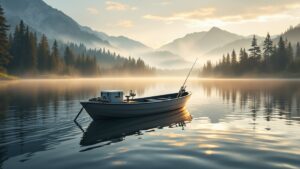
Best Small Fishing Boats for Lakes, Rivers, and Creeks
Explore the ultimate guide to small fishing boats built for lakes, rivers, and creeks. Discover versatile jon boats, compact bass boats, inflatables, kayaks, and more while learning which options deliver the best performance, comfort, and access to hidden fishing spots.
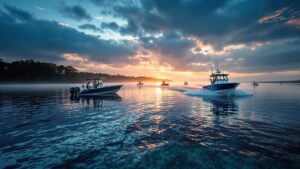
Types of Fishing Boats Explained: Which One Is Right for You?
From sleek bass boats to rugged offshore center consoles, every fishing boat is built for a different adventure. Explore the most popular fishing boat types, learn what makes each unique, and discover which vessel best fits your fishing style, local waters, and boating goals.