
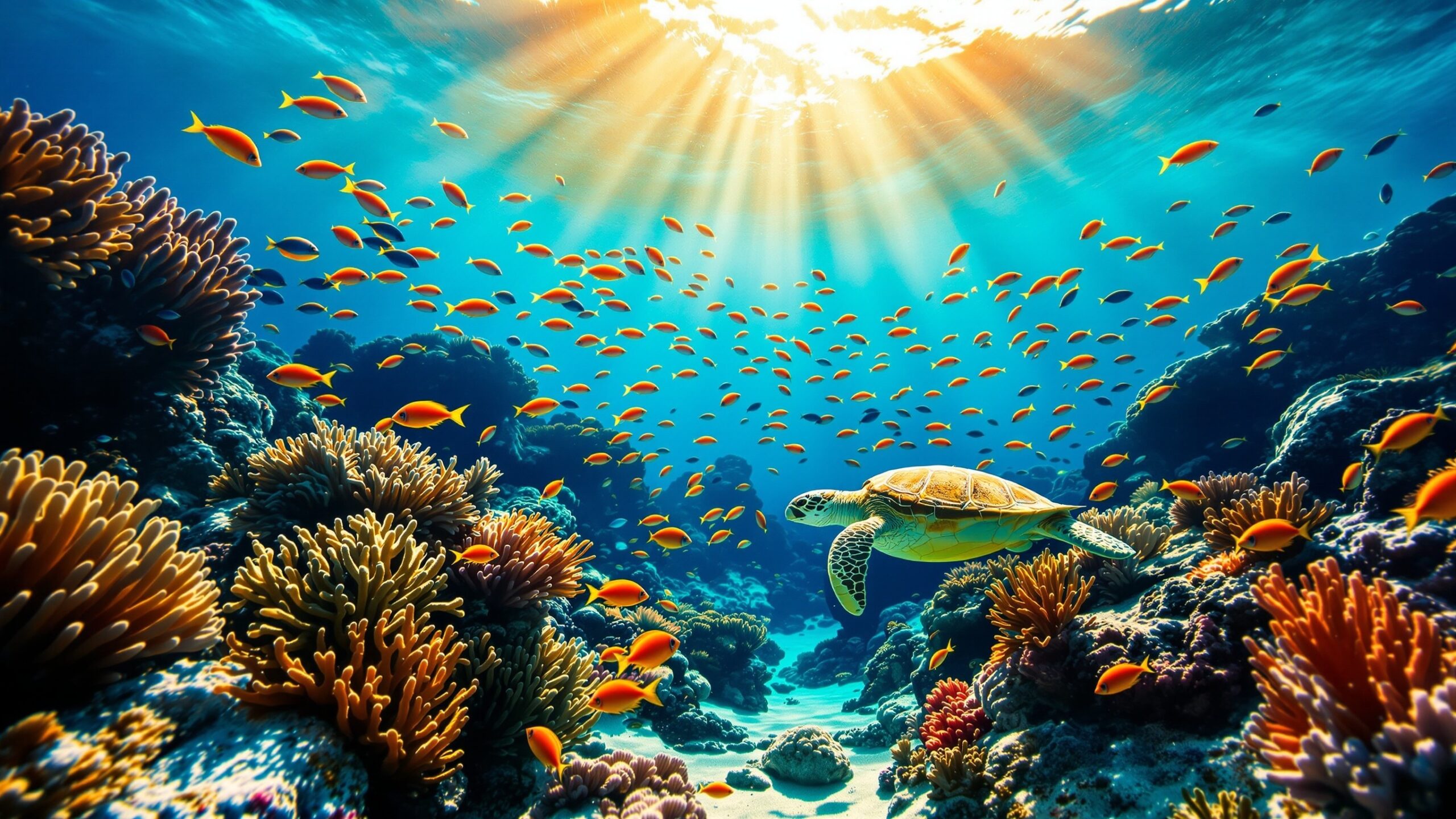
Beneath the shimmering surface of our planet’s waters lies a world bursting with life, color, and constant motion. Marine Wildlife & Conservation invites you to explore the incredible diversity of ocean and freshwater ecosystems—where coral reefs pulse with energy, migratory giants cross vast distances, and delicate habitats depend on a fragile balance. From playful dolphins and elusive deep-sea creatures to thriving kelp forests and vital wetlands, every species plays a role in keeping these ecosystems alive. But this underwater world is also at a turning point. Climate change, pollution, and overfishing are reshaping habitats faster than ever before, making conservation efforts more critical—and more inspiring—than ever. Here, you’ll discover stories of resilience, cutting-edge research, and practical ways people around the globe are protecting aquatic life. Whether you’re a curious explorer, passionate boater, or dedicated conservation advocate, this hub connects you to the science, solutions, and wonder of marine life—helping you navigate a future where both people and wildlife thrive together.
A: Keep a respectful distance and avoid chasing, circling, or blocking the animal’s path.
A: They reduce shoreline erosion, habitat damage, and collision risks for wildlife.
A: Yes, anchors and chains can damage seagrass, coral, and sensitive bottom communities.
A: Store it safely and dispose of it properly at recycling or marina collection points.
A: No, feeding can change natural behavior and make animals dependent or aggressive.
A: Slower speeds reduce strike risk, noise, wake damage, and animal stress.
A: Report it to local wildlife rescue or marine authorities rather than trying to handle it yourself.
A: Prevent spills, reduce waste, respect habitat zones, and follow wildlife-safe navigation practices.
A: Absolutely—lakes, rivers, and wetlands are critical habitats with their own vulnerable species.
A: Slow down near sensitive areas, pack out every piece of trash, and leave wildlife undisturbed.