
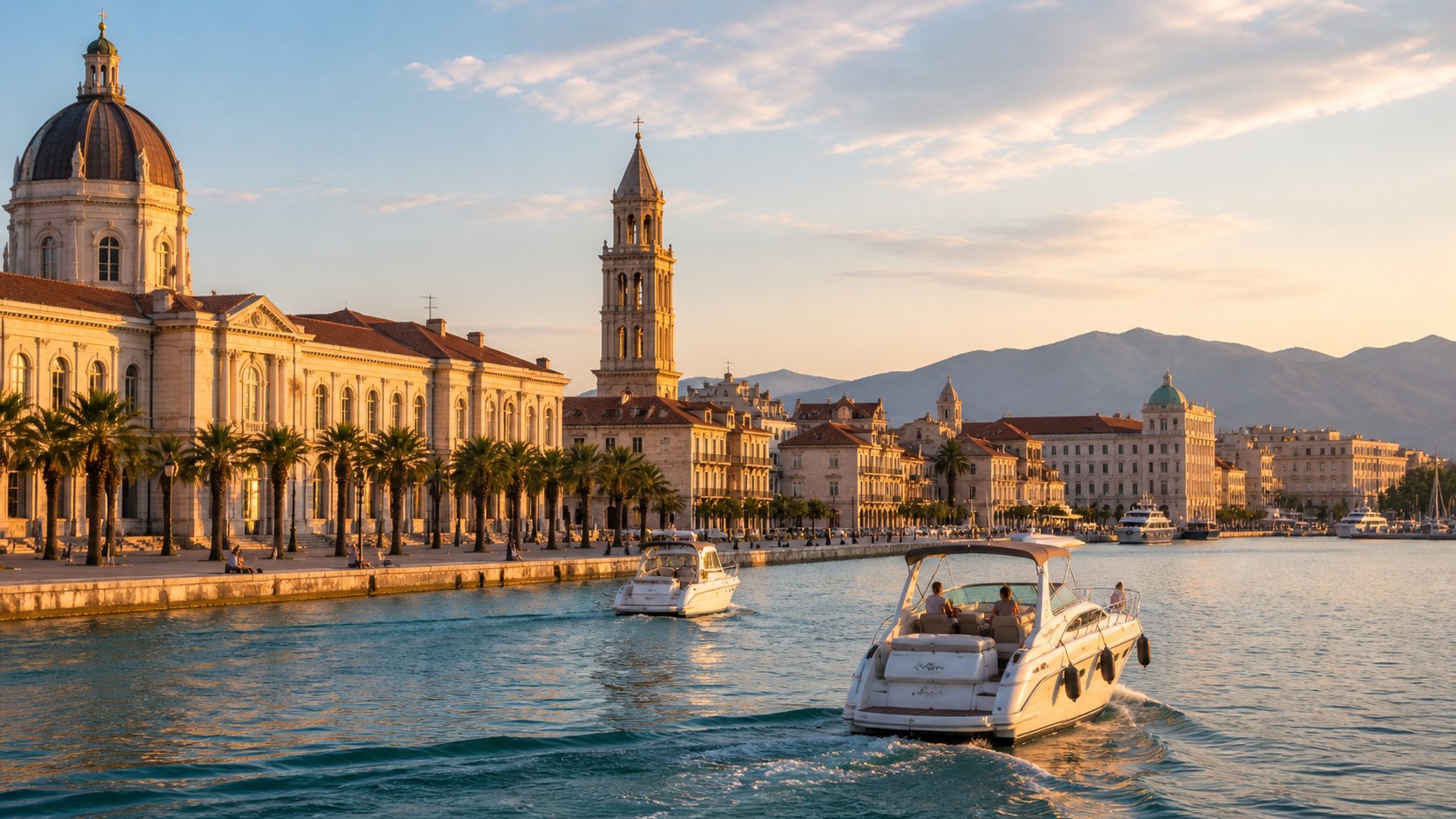
Best Waterfront Cities in the World Every Boater Should Visit
Best Waterfront Cities in the World Every Boater Should Visit is most useful when it is treated as a boating decision, not just a wish list. The right answer depends on water conditions, crew confidence, weather timing, gear limits, local support, and how the trip or purchase will feel after the first excited hour has passed. This guide is written for boaters comparing ports by harbor access, marina quality, city culture, and arrival ease and keeps the focus on choices that make days on the water calmer, clearer, and easier to repeat.
A:Start with the conditions, people, boat limits, and support that will shape the real day.
A:Scale back when the plan depends on perfect weather, perfect timing, or skills the crew has not practiced.
A:Forgiving choices offer shelter, shorter legs, clear exits, simple navigation, and nearby help.
A:Enough experience means the crew can handle normal delays, docking pressure, weather shifts, and fatigue calmly.
A:No. Scenery is best when it supports a trip that remains safe, relaxed, and repeatable.
A:Repeat easier trips, add one challenge at a time, and review each outing before increasing complexity.
A Good Port Starts Offshore
A Good Port Starts Offshore matters because boating decisions are made in motion, in weather, and around other people. For boaters comparing ports by harbor access, marina quality, city culture, and arrival ease, the best approach is to connect the attractive idea with the ordinary details that decide whether the day runs smoothly. Think about distance, daylight, launch or marina support, dry storage, communication, and how easily the crew can reset if conditions change. When those basics are visible early, best waterfront cities in the world every boater should visit becomes a practical plan rather than a vague hope.
A useful way to evaluate this section is to ask what would make the choice easier on a tired return. That perspective brings out details that are easy to ignore during planning: where gear will go, how much help is nearby, whether the route has alternatives, and what the least experienced person aboard will need. Strong boating plans usually feel a little conservative on paper because they leave room for weather, traffic, slower docking, and small delays.
Harbor Approach Shapes First Impressions
Harbor Approach Shapes First Impressions matters because boating decisions are made in motion, in weather, and around other people. For boaters comparing ports by harbor access, marina quality, city culture, and arrival ease, the best approach is to connect the attractive idea with the ordinary details that decide whether the day runs smoothly. Think about distance, daylight, launch or marina support, dry storage, communication, and how easily the crew can reset if conditions change. When those basics are visible early, best waterfront cities in the world every boater should visit becomes a practical plan rather than a vague hope.
Marina Location Changes the Visit
Marina Location Changes the Visit matters because boating decisions are made in motion, in weather, and around other people. For boaters comparing ports by harbor access, marina quality, city culture, and arrival ease, the best approach is to connect the attractive idea with the ordinary details that decide whether the day runs smoothly. Think about distance, daylight, launch or marina support, dry storage, communication, and how easily the crew can reset if conditions change. When those basics are visible early, best waterfront cities in the world every boater should visit becomes a practical plan rather than a vague hope.
A useful way to evaluate this section is to ask what would make the choice easier on a tired return. That perspective brings out details that are easy to ignore during planning: where gear will go, how much help is nearby, whether the route has alternatives, and what the least experienced person aboard will need. Strong boating plans usually feel a little conservative on paper because they leave room for weather, traffic, slower docking, and small delays.
Walkability Matters After Docking
Walkability Matters After Docking matters because boating decisions are made in motion, in weather, and around other people. For boaters comparing ports by harbor access, marina quality, city culture, and arrival ease, the best approach is to connect the attractive idea with the ordinary details that decide whether the day runs smoothly. Think about distance, daylight, launch or marina support, dry storage, communication, and how easily the crew can reset if conditions change. When those basics are visible early, best waterfront cities in the world every boater should visit becomes a practical plan rather than a vague hope.
A useful way to evaluate this section is to ask what would make the choice easier on a tired return. That perspective brings out details that are easy to ignore during planning: where gear will go, how much help is nearby, whether the route has alternatives, and what the least experienced person aboard will need. Strong boating plans usually feel a little conservative on paper because they leave room for weather, traffic, slower docking, and small delays.
Do not measure success only by distance, price, scenery, or novelty. A better measure is whether the choice supports confidence from departure to return. If the answer depends on perfect weather, flawless timing, or everyone pretending discomfort is fine, refine the plan before committing. The best boating experiences feel generous because the core details have been handled before the water starts asking its own questions.
Culture Rewards Extra Time
Culture Rewards Extra Time matters because boating decisions are made in motion, in weather, and around other people. For boaters comparing ports by harbor access, marina quality, city culture, and arrival ease, the best approach is to connect the attractive idea with the ordinary details that decide whether the day runs smoothly. Think about distance, daylight, launch or marina support, dry storage, communication, and how easily the crew can reset if conditions change. When those basics are visible early, best waterfront cities in the world every boater should visit becomes a practical plan rather than a vague hope.
Customs and Rules Can Slow Arrival
Customs and Rules Can Slow Arrival matters because boating decisions are made in motion, in weather, and around other people. For boaters comparing ports by harbor access, marina quality, city culture, and arrival ease, the best approach is to connect the attractive idea with the ordinary details that decide whether the day runs smoothly. Think about distance, daylight, launch or marina support, dry storage, communication, and how easily the crew can reset if conditions change. When those basics are visible early, best waterfront cities in the world every boater should visit becomes a practical plan rather than a vague hope.
A useful way to evaluate this section is to ask what would make the choice easier on a tired return. That perspective brings out details that are easy to ignore during planning: where gear will go, how much help is nearby, whether the route has alternatives, and what the least experienced person aboard will need. Strong boating plans usually feel a little conservative on paper because they leave room for weather, traffic, slower docking, and small delays.
Weather Exposure Still Counts
Weather Exposure Still Counts matters because boating decisions are made in motion, in weather, and around other people. For boaters comparing ports by harbor access, marina quality, city culture, and arrival ease, the best approach is to connect the attractive idea with the ordinary details that decide whether the day runs smoothly. Think about distance, daylight, launch or marina support, dry storage, communication, and how easily the crew can reset if conditions change. When those basics are visible early, best waterfront cities in the world every boater should visit becomes a practical plan rather than a vague hope.
Transit Options Help Crews
Transit Options Help Crews matters because boating decisions are made in motion, in weather, and around other people. For boaters comparing ports by harbor access, marina quality, city culture, and arrival ease, the best approach is to connect the attractive idea with the ordinary details that decide whether the day runs smoothly. Think about distance, daylight, launch or marina support, dry storage, communication, and how easily the crew can reset if conditions change. When those basics are visible early, best waterfront cities in the world every boater should visit becomes a practical plan rather than a vague hope.
A useful way to evaluate this section is to ask what would make the choice easier on a tired return. That perspective brings out details that are easy to ignore during planning: where gear will go, how much help is nearby, whether the route has alternatives, and what the least experienced person aboard will need. Strong boating plans usually feel a little conservative on paper because they leave room for weather, traffic, slower docking, and small delays.
Food and Supplies Add Practical Value
Food and Supplies Add Practical Value matters because boating decisions are made in motion, in weather, and around other people. For boaters comparing ports by harbor access, marina quality, city culture, and arrival ease, the best approach is to connect the attractive idea with the ordinary details that decide whether the day runs smoothly. Think about distance, daylight, launch or marina support, dry storage, communication, and how easily the crew can reset if conditions change. When those basics are visible early, best waterfront cities in the world every boater should visit becomes a practical plan rather than a vague hope.
A useful way to evaluate this section is to ask what would make the choice easier on a tired return. That perspective brings out details that are easy to ignore during planning: where gear will go, how much help is nearby, whether the route has alternatives, and what the least experienced person aboard will need. Strong boating plans usually feel a little conservative on paper because they leave room for weather, traffic, slower docking, and small delays.
Do not measure success only by distance, price, scenery, or novelty. A better measure is whether the choice supports confidence from departure to return. If the answer depends on perfect weather, flawless timing, or everyone pretending discomfort is fine, refine the plan before committing. The best boating experiences feel generous because the core details have been handled before the water starts asking its own questions.
Security Should Feel Balanced
Security Should Feel Balanced matters because boating decisions are made in motion, in weather, and around other people. For boaters comparing ports by harbor access, marina quality, city culture, and arrival ease, the best approach is to connect the attractive idea with the ordinary details that decide whether the day runs smoothly. Think about distance, daylight, launch or marina support, dry storage, communication, and how easily the crew can reset if conditions change. When those basics are visible early, best waterfront cities in the world every boater should visit becomes a practical plan rather than a vague hope.
Scenery Is Better with Services
Scenery Is Better with Services matters because boating decisions are made in motion, in weather, and around other people. For boaters comparing ports by harbor access, marina quality, city culture, and arrival ease, the best approach is to connect the attractive idea with the ordinary details that decide whether the day runs smoothly. Think about distance, daylight, launch or marina support, dry storage, communication, and how easily the crew can reset if conditions change. When those basics are visible early, best waterfront cities in the world every boater should visit becomes a practical plan rather than a vague hope.
A useful way to evaluate this section is to ask what would make the choice easier on a tired return. That perspective brings out details that are easy to ignore during planning: where gear will go, how much help is nearby, whether the route has alternatives, and what the least experienced person aboard will need. Strong boating plans usually feel a little conservative on paper because they leave room for weather, traffic, slower docking, and small delays.
Choose Cities That Welcome Boats
Choose Cities That Welcome Boats matters because boating decisions are made in motion, in weather, and around other people. For boaters comparing ports by harbor access, marina quality, city culture, and arrival ease, the best approach is to connect the attractive idea with the ordinary details that decide whether the day runs smoothly. Think about distance, daylight, launch or marina support, dry storage, communication, and how easily the crew can reset if conditions change. When those basics are visible early, best waterfront cities in the world every boater should visit becomes a practical plan rather than a vague hope.