A Useful Price Starts With a Specific Boat and Coverage
An advertised starting premium and the cost of insuring your boat answer different questions. A basic liability offer may apply to a different vessel, coverage package, location, and operator from yours. Even a published average combines customers whose insurance needs are not identical. To build a useful budget, begin with your vessel details, boating area, storage, operators, and the protection you want. Then compare written quotes on a consistent basis and translate deductibles into cash you could actually need after a loss. This United States pricing guide uses dated insurer data as context and clearly labeled hypothetical calculations for comparison. It does not treat any average, percentage, or example premium as a guaranteed rate for a particular owner.
A: It is a result from a particular dataset, rather than an individualized quote.
A: That misses important differences in use, location, operators, and coverage.
A: It may omit hull protection and other features required for the actual purchase.
A: It gives a monthly equivalent; the insurer's billing terms may include different installments or fees.
A: Compare the saving with cash you can comfortably provide after a loss.
A: Eligibility differs, so confirm acceptance of your vessel and use early.
A: Discount availability and accepted training depend on the insurer and circumstances.
A: No. They are hypothetical numbers used only to demonstrate deductible arithmetic.
A: Confirm binding and the effective time rather than treating an application as insurance.
A: Use current boat details and align coverage, deductibles, restrictions, and total payment costs.
What Published Averages Can Tell You
As researched in October 2026, Progressive’s published boat-insurance data reports annual state averages ranging from $274.42 in Wisconsin to $867.86 in Florida. Its methodology identifies policies with one watercraft from December 2024 through November 2025. Those are historical results from one insurer’s customers. They are neither a national all-company average nor a live quote for a specified boat. The mix of vessels, limits, deductibles, and customer characteristics matters when interpreting the figures.
The same page groups states into annual averages of $307.01 for its low-cost group, $413.34 for its medium-cost group, and $662.51 for its high-cost group. The group calculations are weighted by policy count. These figures show how a published dataset can vary by geography, but they do not isolate geography from every other difference among the insured boats. Use them as a reason to obtain an actual local quote, rather than as a ceiling on what a larger, more complex, or differently used vessel should cost.
Keep the insurer’s published dataset separate from the figures you receive during shopping. Label a saved average with its period and label an actual proposal with its quote date. That simple distinction prevents an older research figure from being mistaken for a price an insurer has offered to honor.
Separate a Starting Offer From Your Budget
A low advertised starting rate generally comes with eligibility and coverage conditions. Read the disclosure to identify the coverage type, location restrictions, and whether the offer represents an annual or installment amount. A liability-only product does not provide the same protection as a package that also insures your hull and equipment. Adding those features changes what you are buying. When planning a purchase, ask for a quote using the actual boat’s identifying details before relying on a promotional figure. If you cannot yet identify a specific vessel, obtain preliminary guidance for realistic candidates and leave room for the final underwriting decision. Availability is part of the pricing problem because an insurer that does not accept the risk cannot provide a useful purchase-day solution.
Boat Characteristics Affect More Than the Insured Value
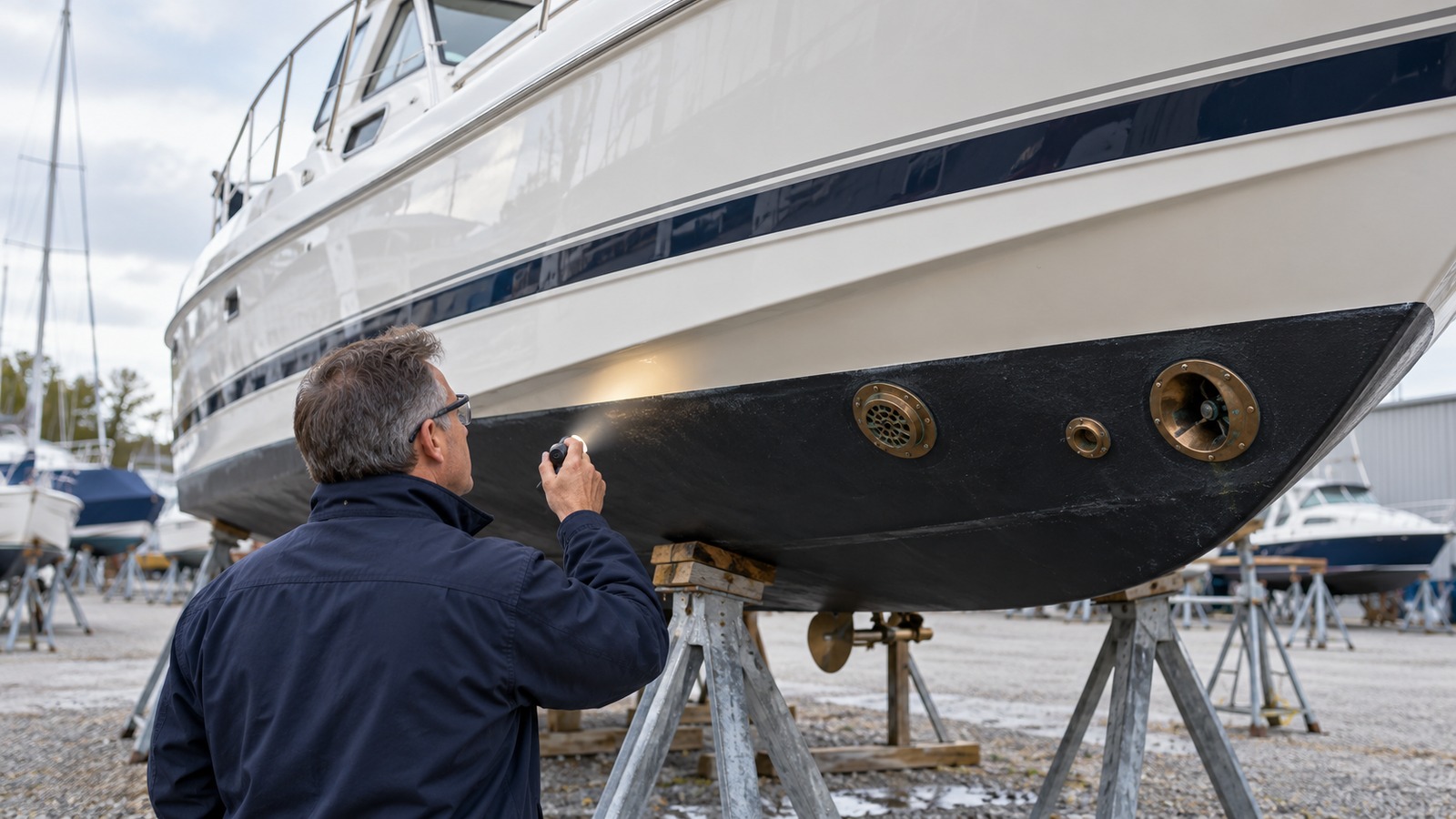
Value is an important input, but it is not a complete pricing model. Length, hull type, engine power, age, equipment, and intended activities can affect underwriting and premium. A fast vessel and a modest displacement boat may present different exposures even if their purchase prices are similar. Older boats may have lower market values while requiring more information about condition. A heavily customized vessel may need documentation so the insurer can understand what has changed. Describe the boat accurately instead of selecting the closest convenient category on a form.
Use the whole installed and portable equipment picture when discussing value. Electronics, a tender, fishing equipment, and a trailer may not all fall under the same limit. Ask which items are included and which require a separate schedule or coverage. A quote based on incomplete equipment information can appear attractively inexpensive while leaving an important gap. Keep the valuation approach consistent across insurers so that price differences do not merely reflect different property being insured.
Do not assume that a simple percentage of purchase price will predict the premium. A percentage can be a rough budgeting illustration, but it misses differences in location, use, deductibles, claims history, and the policy form. It is especially unreliable when transferring an estimate from a small inland runabout to a coastal cruiser. Replace that shortcut with an underwritten quote as early as practical in the buying process.
Location Includes Storage and the Waters You Use
The place where the boat stays and the places it travels can both matter. Inland seasonal storage creates a different exposure from year-round coastal mooring, but individual insurers classify and price those risks through their own methods. Give the correct address and describe whether the boat will be kept on a trailer, in dry storage, at a dock, or on a mooring. Explain expected offshore or international travel and any seasonal relocation. A home mailing address does not necessarily describe the boat’s actual exposure.
Ask about navigation boundaries and storm-related terms alongside the premium. A lower-priced policy may have a cruising restriction that does not fit your intended trips. Another may require a specific deductible or preparation arrangement for particular weather events. Read those terms before deciding that one location-based quote is better value. Changing the reported storage location to obtain a lower rate is not a legitimate saving if it misstates where the vessel is kept.
Operators and Use Need an Accurate Description
List regular operators and explain relevant experience, prior claims, and planned activities accurately. A safety course may qualify for a discount where the insurer offers one, but the accepted course and discount amount must be verified. Private pleasure use, paid outings, rentals, racing, and full-time residential use can require different insurance arrangements. Do not price a private-use product and then assume it applies after your plans change. If the insurer needs a survey or evidence of experience, ask early enough to avoid delaying the purchase. The useful question is what this company needs to accept this boat and boating program, rather than whether another owner obtained an inexpensive quote for something superficially similar.
Compare Premium and Deductible Together
Consider a hypothetical comparison for the same $60,000 boat, coverage, location, and operator. Quote A has a $720 annual premium and a $500 ordinary hull deductible. Quote B has a $600 premium and a $1,500 ordinary hull deductible. These figures are invented solely to show the arithmetic. If no claim occurs, B costs $120 less for the year. If one covered $8,000 hull loss occurs and those deductibles apply without other adjustments, A leaves $1,220 in premium plus deductible, while B leaves $2,100. The lower premium does not automatically produce the lower cash cost in the loss scenario.
This calculation does not predict which year will include a loss or establish that one deductible is right for every owner. It shows the tradeoff clearly enough to evaluate against available savings. A higher deductible may be reasonable for someone who can comfortably absorb it. It may be unsuitable for someone whose repair fund is already committed to maintenance. Compare the proposed deductible with cash you can access promptly, rather than with the maximum amount you hope never to need.
Separate named-storm or other special deductibles from the ordinary hull deductible. If a hypothetical policy applies a five-percent deductible to a stated $60,000 base, that equals $3,000. Confirm the actual percentage base and conditions in the contract before using that number. A premium comparison that overlooks a substantially different storm deductible is incomplete. Record each applicable deductible beside the price rather than burying it in a separate attachment.
Make Quote Requests Consistent
Send each insurer the same vessel information, use description, storage arrangement, navigation needs, and desired limits. Ask for the same loss-settlement basis and comparable deductibles. Include required lender and marina terms so they are addressed before the quote is finalized. Request an explanation whenever a provider cannot match a requested feature. The comparison should show the difference explicitly rather than treating two unequal packages as interchangeable. Save the quote date and any stated expiry or binding conditions. Prices and eligibility can change, and a proposal may remain subject to documents or inspection before coverage can begin.
Look Beyond the Main Limit for Important Cost Differences
Two policies can show the same hull value while treating partial repairs, portable property, assistance, or special activities differently. Ask whether depreciation applies to particular components and whether certain expenses have sublimits. Review defense-cost treatment, liability features, and any required endorsements with a licensed insurance professional. Those details affect what remains your responsibility after an incident. A feature you will never use may add little value, while a missing provision central to your cruising plan can make the cheaper proposal unsuitable.
Also compare payment arrangements. Dividing an annual premium by twelve produces a monthly equivalent, but it does not prove the insurer offers twelve equal payments without fees or a deposit. For instance, $720 divided by twelve is $60, which is a budgeting conversion rather than a billing promise. Ask for the actual installment schedule and total payable amount. Keep fees and any separate service memberships visible so the annual ownership budget reflects the arrangement you intend to buy.
Reduce the Price Without Misrepresenting the Risk
Ask about available discounts for accepted training, multiple policies, loss history, or other qualifying factors, then verify the resulting total. Discounts should be considered after the core coverage matches your needs. A large advertised percentage does not establish the lowest final premium if the starting price or coverage differs. Choose a deductible deliberately, maintain the vessel, and document condition improvements when the insurer requests that information. Discuss seasonal arrangements only if you can follow the actual usage restrictions. The sound saving is a lower price for an arrangement that still fits the boat’s real use and leaves affordable responsibilities with you.
Keep Insurance Separate From the Rest of Ownership
An insurance budget does not replace a maintenance reserve, storage budget, fuel allowance, or repair fund for excluded failures. Ordinary wear and service costs remain part of owning the boat. Set aside the chosen premium and a realistic amount for the applicable deductible without counting the same savings twice. A survey-related repair required before coverage begins is also a purchase cost, even if it never appears on the premium invoice. Track these amounts separately so a seemingly affordable policy does not conceal a financially strained ownership plan.
When financing the purchase, confirm the lender’s insurance requirements before finalizing a cheaper coverage option. The lender may require terms that differ from a liability-only budget or a preferred deductible. Check marina requirements as well, especially before transferring the vessel to its new berth. Arranging acceptable coverage before the ownership change avoids relying on the seller’s policy or an assumption that a quote is already bound.
Use Renewal as a Fresh Comparison Point
At renewal, compare three amounts separately: the annual premium, the deductible you would fund after a loss, and any fees or separate service charges. Then identify the changed term behind each meaningful price difference. A lower premium with a higher storm deductible is a different tradeoff from a lower premium for unchanged terms. Review changes in boat value, operators, equipment, location, and use with the insurer before requesting alternatives. Keep the historical averages near the beginning of this guide as background; use current written proposals for the purchase decision. Choose between those proposals only after the coverage basis and restrictions are clear enough to explain why their prices differ.