
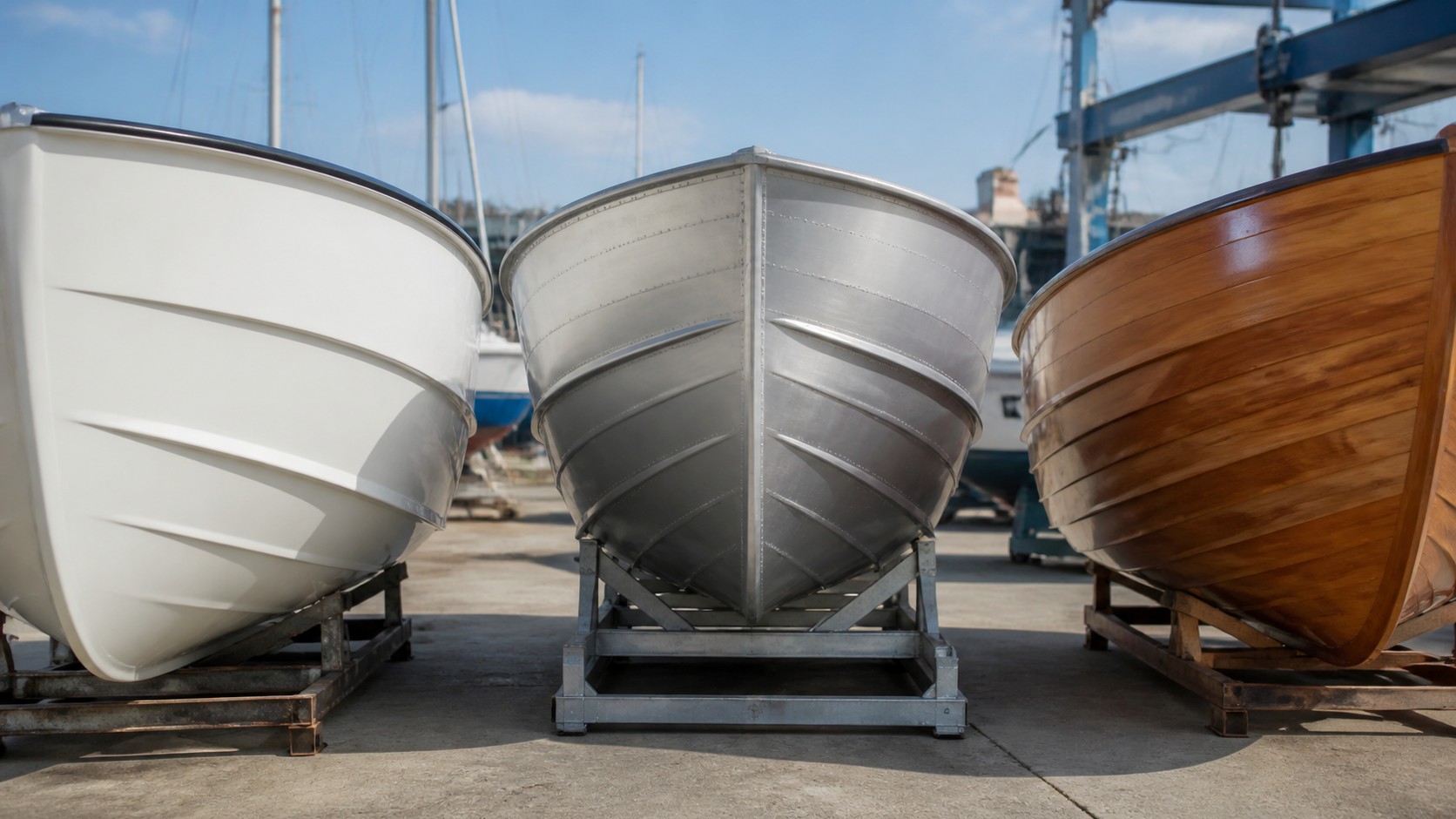
How to Choose the Best Boat Hull Material for Your Needs
How to Choose the Best Boat Hull Material for Your Needs is most useful when it is treated as a boating decision, not just a wish list. The right answer depends on water conditions, crew confidence, weather timing, gear limits, local support, and how the trip or purchase will feel after the first excited hour has passed. This guide is written for buyers matching fiberglass, aluminum, wood, and composites to water, budget, upkeep, and storage and keeps the focus on choices that make days on the water calmer, clearer, and easier to repeat.
A:Start with the boat's real use, local service access, and the conditions it will face most often.
A:It depends on setup, installation quality, weight distribution, and whether the system is maintained correctly.
A:The right answer is the one that reduces friction during ordinary weekends, service days, and rushed departures.
A:Treat early warning signs seriously because small technical problems often become expensive when ignored.
A:Compare purchase cost, upkeep, repair access, lifespan, and how the choice affects the rest of the boat.
A:Choose the simpler option you understand, can inspect, and can support locally before chasing upgrades.
Begin with Water and Use
Begin with Water and Use matters because boating decisions are made in motion, in weather, and around other people. For buyers matching fiberglass, aluminum, wood, and composites to water, budget, upkeep, and storage, the best approach is to connect the attractive idea with the ordinary details that decide whether the day runs smoothly. Think about distance, daylight, launch or marina support, dry storage, communication, and how easily the crew can reset if conditions change. When those basics are visible early, how to choose the best boat hull material for your needs becomes a practical plan rather than a vague hope.
A useful way to evaluate this section is to ask what would make the choice easier on a tired return. That perspective brings out details that are easy to ignore during planning: where gear will go, how much help is nearby, whether the route has alternatives, and what the least experienced person aboard will need. Strong boating plans usually feel a little conservative on paper because they leave room for weather, traffic, slower docking, and small delays.
Fiberglass Rewards Comfort
Fiberglass Rewards Comfort matters because boating decisions are made in motion, in weather, and around other people. For buyers matching fiberglass, aluminum, wood, and composites to water, budget, upkeep, and storage, the best approach is to connect the attractive idea with the ordinary details that decide whether the day runs smoothly. Think about distance, daylight, launch or marina support, dry storage, communication, and how easily the crew can reset if conditions change. When those basics are visible early, how to choose the best boat hull material for your needs becomes a practical plan rather than a vague hope.
A useful way to evaluate this section is to ask what would make the choice easier on a tired return. That perspective brings out details that are easy to ignore during planning: where gear will go, how much help is nearby, whether the route has alternatives, and what the least experienced person aboard will need. Strong boating plans usually feel a little conservative on paper because they leave room for weather, traffic, slower docking, and small delays.
Do not measure success only by distance, price, scenery, or novelty. A better measure is whether the choice supports confidence from departure to return. If the answer depends on perfect weather, flawless timing, or everyone pretending discomfort is fine, refine the plan before committing. The best boating experiences feel generous because the core details have been handled before the water starts asking its own questions.
Aluminum Handles Hard Work
Aluminum Handles Hard Work matters because boating decisions are made in motion, in weather, and around other people. For buyers matching fiberglass, aluminum, wood, and composites to water, budget, upkeep, and storage, the best approach is to connect the attractive idea with the ordinary details that decide whether the day runs smoothly. Think about distance, daylight, launch or marina support, dry storage, communication, and how easily the crew can reset if conditions change. When those basics are visible early, how to choose the best boat hull material for your needs becomes a practical plan rather than a vague hope.
Wood Requires Devotion
Wood Requires Devotion matters because boating decisions are made in motion, in weather, and around other people. For buyers matching fiberglass, aluminum, wood, and composites to water, budget, upkeep, and storage, the best approach is to connect the attractive idea with the ordinary details that decide whether the day runs smoothly. Think about distance, daylight, launch or marina support, dry storage, communication, and how easily the crew can reset if conditions change. When those basics are visible early, how to choose the best boat hull material for your needs becomes a practical plan rather than a vague hope.
A useful way to evaluate this section is to ask what would make the choice easier on a tired return. That perspective brings out details that are easy to ignore during planning: where gear will go, how much help is nearby, whether the route has alternatives, and what the least experienced person aboard will need. Strong boating plans usually feel a little conservative on paper because they leave room for weather, traffic, slower docking, and small delays.
Composites Add Specialized Choices
Composites Add Specialized Choices matters because boating decisions are made in motion, in weather, and around other people. For buyers matching fiberglass, aluminum, wood, and composites to water, budget, upkeep, and storage, the best approach is to connect the attractive idea with the ordinary details that decide whether the day runs smoothly. Think about distance, daylight, launch or marina support, dry storage, communication, and how easily the crew can reset if conditions change. When those basics are visible early, how to choose the best boat hull material for your needs becomes a practical plan rather than a vague hope.
Repair Access Should Guide Buyers
Repair Access Should Guide Buyers matters because boating decisions are made in motion, in weather, and around other people. For buyers matching fiberglass, aluminum, wood, and composites to water, budget, upkeep, and storage, the best approach is to connect the attractive idea with the ordinary details that decide whether the day runs smoothly. Think about distance, daylight, launch or marina support, dry storage, communication, and how easily the crew can reset if conditions change. When those basics are visible early, how to choose the best boat hull material for your needs becomes a practical plan rather than a vague hope.
A useful way to evaluate this section is to ask what would make the choice easier on a tired return. That perspective brings out details that are easy to ignore during planning: where gear will go, how much help is nearby, whether the route has alternatives, and what the least experienced person aboard will need. Strong boating plans usually feel a little conservative on paper because they leave room for weather, traffic, slower docking, and small delays.
Do not measure success only by distance, price, scenery, or novelty. A better measure is whether the choice supports confidence from departure to return. If the answer depends on perfect weather, flawless timing, or everyone pretending discomfort is fine, refine the plan before committing. The best boating experiences feel generous because the core details have been handled before the water starts asking its own questions.
Storage Conditions Matter
Storage Conditions Matter matters because boating decisions are made in motion, in weather, and around other people. For buyers matching fiberglass, aluminum, wood, and composites to water, budget, upkeep, and storage, the best approach is to connect the attractive idea with the ordinary details that decide whether the day runs smoothly. Think about distance, daylight, launch or marina support, dry storage, communication, and how easily the crew can reset if conditions change. When those basics are visible early, how to choose the best boat hull material for your needs becomes a practical plan rather than a vague hope.
A useful way to evaluate this section is to ask what would make the choice easier on a tired return. That perspective brings out details that are easy to ignore during planning: where gear will go, how much help is nearby, whether the route has alternatives, and what the least experienced person aboard will need. Strong boating plans usually feel a little conservative on paper because they leave room for weather, traffic, slower docking, and small delays.
Trailering Changes the Math
Trailering Changes the Math matters because boating decisions are made in motion, in weather, and around other people. For buyers matching fiberglass, aluminum, wood, and composites to water, budget, upkeep, and storage, the best approach is to connect the attractive idea with the ordinary details that decide whether the day runs smoothly. Think about distance, daylight, launch or marina support, dry storage, communication, and how easily the crew can reset if conditions change. When those basics are visible early, how to choose the best boat hull material for your needs becomes a practical plan rather than a vague hope.
Budget Includes Maintenance
Budget Includes Maintenance matters because boating decisions are made in motion, in weather, and around other people. For buyers matching fiberglass, aluminum, wood, and composites to water, budget, upkeep, and storage, the best approach is to connect the attractive idea with the ordinary details that decide whether the day runs smoothly. Think about distance, daylight, launch or marina support, dry storage, communication, and how easily the crew can reset if conditions change. When those basics are visible early, how to choose the best boat hull material for your needs becomes a practical plan rather than a vague hope.
A useful way to evaluate this section is to ask what would make the choice easier on a tired return. That perspective brings out details that are easy to ignore during planning: where gear will go, how much help is nearby, whether the route has alternatives, and what the least experienced person aboard will need. Strong boating plans usually feel a little conservative on paper because they leave room for weather, traffic, slower docking, and small delays.
Noise and Feel Differ by Material
Noise and Feel Differ by Material matters because boating decisions are made in motion, in weather, and around other people. For buyers matching fiberglass, aluminum, wood, and composites to water, budget, upkeep, and storage, the best approach is to connect the attractive idea with the ordinary details that decide whether the day runs smoothly. Think about distance, daylight, launch or marina support, dry storage, communication, and how easily the crew can reset if conditions change. When those basics are visible early, how to choose the best boat hull material for your needs becomes a practical plan rather than a vague hope.
A useful way to evaluate this section is to ask what would make the choice easier on a tired return. That perspective brings out details that are easy to ignore during planning: where gear will go, how much help is nearby, whether the route has alternatives, and what the least experienced person aboard will need. Strong boating plans usually feel a little conservative on paper because they leave room for weather, traffic, slower docking, and small delays.
Do not measure success only by distance, price, scenery, or novelty. A better measure is whether the choice supports confidence from departure to return. If the answer depends on perfect weather, flawless timing, or everyone pretending discomfort is fine, refine the plan before committing. The best boating experiences feel generous because the core details have been handled before the water starts asking its own questions.
Resale Follows Local Demand
Resale Follows Local Demand matters because boating decisions are made in motion, in weather, and around other people. For buyers matching fiberglass, aluminum, wood, and composites to water, budget, upkeep, and storage, the best approach is to connect the attractive idea with the ordinary details that decide whether the day runs smoothly. Think about distance, daylight, launch or marina support, dry storage, communication, and how easily the crew can reset if conditions change. When those basics are visible early, how to choose the best boat hull material for your needs becomes a practical plan rather than a vague hope.
Pick the Material You Can Live With
Pick the Material You Can Live With matters because boating decisions are made in motion, in weather, and around other people. For buyers matching fiberglass, aluminum, wood, and composites to water, budget, upkeep, and storage, the best approach is to connect the attractive idea with the ordinary details that decide whether the day runs smoothly. Think about distance, daylight, launch or marina support, dry storage, communication, and how easily the crew can reset if conditions change. When those basics are visible early, how to choose the best boat hull material for your needs becomes a practical plan rather than a vague hope.
A useful way to evaluate this section is to ask what would make the choice easier on a tired return. That perspective brings out details that are easy to ignore during planning: where gear will go, how much help is nearby, whether the route has alternatives, and what the least experienced person aboard will need. Strong boating plans usually feel a little conservative on paper because they leave room for weather, traffic, slower docking, and small delays.