
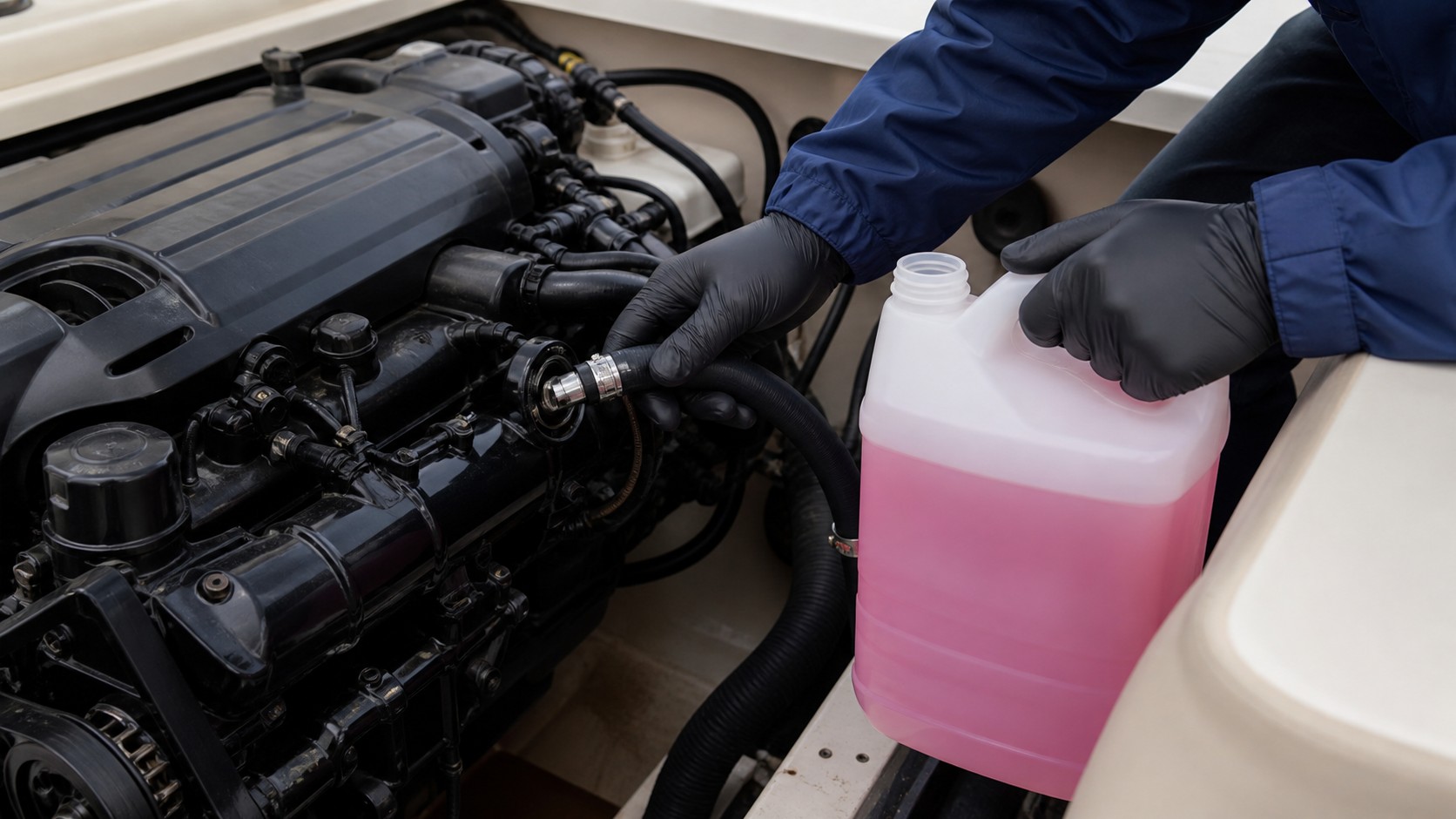
How to Winterize a Boat Engine the Right Way
How to Winterize a Boat Engine the Right Way is most useful when it is treated as a boating decision, not just a wish list. The right answer depends on water conditions, crew confidence, weather timing, gear limits, local support, and how the trip or purchase will feel after the first excited hour has passed. This guide is written for owners protecting outboards, sterndrives, and inboards from freeze damage through flushing, fluids, fogging, fuel care, and storage checks and keeps the focus on choices that make days on the water calmer, clearer, and easier to repeat.
A: Trapped water freezing inside cooling passages is the most urgent risk because it can crack costly parts.
A: Often yes, because fresh oil reduces the time contaminants spend sitting inside the engine.
A: No. The engine's cooling design determines how antifreeze must circulate and where water may remain.
A: Yes. They may drain differently from inboards, but fuel, lubrication, corrosion, and storage still matter.
A: The final run moves treated fuel through the system instead of leaving untreated fuel in lines or carburetors.
A: Use a mechanic when the cooling path, fuel system, drive service, or manufacturer procedure is unclear.
Follow the Manual First
Follow the Manual First matters because boating decisions are made in motion, in weather, and around other people. For owners protecting outboards, sterndrives, and inboards from freeze damage through flushing, fluids, fogging, fuel care, and storage checks, the best approach is to connect the attractive idea with the ordinary details that decide whether the day runs smoothly. Think about distance, daylight, launch or marina support, dry storage, communication, and how easily the crew can reset if conditions change. When those basics are visible early, how to winterize a boat engine the right way becomes a practical plan rather than a vague hope.
Flush While the Engine Is Warm
Flush While the Engine Is Warm matters because boating decisions are made in motion, in weather, and around other people. For owners protecting outboards, sterndrives, and inboards from freeze damage through flushing, fluids, fogging, fuel care, and storage checks, the best approach is to connect the attractive idea with the ordinary details that decide whether the day runs smoothly. Think about distance, daylight, launch or marina support, dry storage, communication, and how easily the crew can reset if conditions change. When those basics are visible early, how to winterize a boat engine the right way becomes a practical plan rather than a vague hope.
A useful way to evaluate this section is to ask what would make the choice easier on a tired return. That perspective brings out details that are easy to ignore during planning: where gear will go, how much help is nearby, whether the route has alternatives, and what the least experienced person aboard will need. Strong boating plans usually feel a little conservative on paper because they leave room for weather, traffic, slower docking, and small delays.
Protect Cooling Passages
Protect Cooling Passages matters because boating decisions are made in motion, in weather, and around other people. For owners protecting outboards, sterndrives, and inboards from freeze damage through flushing, fluids, fogging, fuel care, and storage checks, the best approach is to connect the attractive idea with the ordinary details that decide whether the day runs smoothly. Think about distance, daylight, launch or marina support, dry storage, communication, and how easily the crew can reset if conditions change. When those basics are visible early, how to winterize a boat engine the right way becomes a practical plan rather than a vague hope.
Change Oil at the Right Time
Change Oil at the Right Time matters because boating decisions are made in motion, in weather, and around other people. For owners protecting outboards, sterndrives, and inboards from freeze damage through flushing, fluids, fogging, fuel care, and storage checks, the best approach is to connect the attractive idea with the ordinary details that decide whether the day runs smoothly. Think about distance, daylight, launch or marina support, dry storage, communication, and how easily the crew can reset if conditions change. When those basics are visible early, how to winterize a boat engine the right way becomes a practical plan rather than a vague hope.
A useful way to evaluate this section is to ask what would make the choice easier on a tired return. That perspective brings out details that are easy to ignore during planning: where gear will go, how much help is nearby, whether the route has alternatives, and what the least experienced person aboard will need. Strong boating plans usually feel a little conservative on paper because they leave room for weather, traffic, slower docking, and small delays.
Stabilize Fuel Early
Stabilize Fuel Early matters because boating decisions are made in motion, in weather, and around other people. For owners protecting outboards, sterndrives, and inboards from freeze damage through flushing, fluids, fogging, fuel care, and storage checks, the best approach is to connect the attractive idea with the ordinary details that decide whether the day runs smoothly. Think about distance, daylight, launch or marina support, dry storage, communication, and how easily the crew can reset if conditions change. When those basics are visible early, how to winterize a boat engine the right way becomes a practical plan rather than a vague hope.
Fogging Depends on Engine Type
Fogging Depends on Engine Type matters because boating decisions are made in motion, in weather, and around other people. For owners protecting outboards, sterndrives, and inboards from freeze damage through flushing, fluids, fogging, fuel care, and storage checks, the best approach is to connect the attractive idea with the ordinary details that decide whether the day runs smoothly. Think about distance, daylight, launch or marina support, dry storage, communication, and how easily the crew can reset if conditions change. When those basics are visible early, how to winterize a boat engine the right way becomes a practical plan rather than a vague hope.
A useful way to evaluate this section is to ask what would make the choice easier on a tired return. That perspective brings out details that are easy to ignore during planning: where gear will go, how much help is nearby, whether the route has alternatives, and what the least experienced person aboard will need. Strong boating plans usually feel a little conservative on paper because they leave room for weather, traffic, slower docking, and small delays.
Inspect Belts and Hoses
Inspect Belts and Hoses matters because boating decisions are made in motion, in weather, and around other people. For owners protecting outboards, sterndrives, and inboards from freeze damage through flushing, fluids, fogging, fuel care, and storage checks, the best approach is to connect the attractive idea with the ordinary details that decide whether the day runs smoothly. Think about distance, daylight, launch or marina support, dry storage, communication, and how easily the crew can reset if conditions change. When those basics are visible early, how to winterize a boat engine the right way becomes a practical plan rather than a vague hope.
Battery Care Supports Spring Starts
Battery Care Supports Spring Starts matters because boating decisions are made in motion, in weather, and around other people. For owners protecting outboards, sterndrives, and inboards from freeze damage through flushing, fluids, fogging, fuel care, and storage checks, the best approach is to connect the attractive idea with the ordinary details that decide whether the day runs smoothly. Think about distance, daylight, launch or marina support, dry storage, communication, and how easily the crew can reset if conditions change. When those basics are visible early, how to winterize a boat engine the right way becomes a practical plan rather than a vague hope.
A useful way to evaluate this section is to ask what would make the choice easier on a tired return. That perspective brings out details that are easy to ignore during planning: where gear will go, how much help is nearby, whether the route has alternatives, and what the least experienced person aboard will need. Strong boating plans usually feel a little conservative on paper because they leave room for weather, traffic, slower docking, and small delays.
Check Lower Unit or Drive Fluid
Check Lower Unit or Drive Fluid matters because boating decisions are made in motion, in weather, and around other people. For owners protecting outboards, sterndrives, and inboards from freeze damage through flushing, fluids, fogging, fuel care, and storage checks, the best approach is to connect the attractive idea with the ordinary details that decide whether the day runs smoothly. Think about distance, daylight, launch or marina support, dry storage, communication, and how easily the crew can reset if conditions change. When those basics are visible early, how to winterize a boat engine the right way becomes a practical plan rather than a vague hope.
A useful way to evaluate this section is to ask what would make the choice easier on a tired return. That perspective brings out details that are easy to ignore during planning: where gear will go, how much help is nearby, whether the route has alternatives, and what the least experienced person aboard will need. Strong boating plans usually feel a little conservative on paper because they leave room for weather, traffic, slower docking, and small delays.
Do not measure success only by distance, price, scenery, or novelty. A better measure is whether the choice supports confidence from departure to return. If the answer depends on perfect weather, flawless timing, or everyone pretending discomfort is fine, refine the plan before committing. The best boating experiences feel generous because the core details have been handled before the water starts asking its own questions.
Avoid Antifreeze Shortcuts
Avoid Antifreeze Shortcuts matters because boating decisions are made in motion, in weather, and around other people. For owners protecting outboards, sterndrives, and inboards from freeze damage through flushing, fluids, fogging, fuel care, and storage checks, the best approach is to connect the attractive idea with the ordinary details that decide whether the day runs smoothly. Think about distance, daylight, launch or marina support, dry storage, communication, and how easily the crew can reset if conditions change. When those basics are visible early, how to winterize a boat engine the right way becomes a practical plan rather than a vague hope.
Keep a Winter Service Record
Keep a Winter Service Record matters because boating decisions are made in motion, in weather, and around other people. For owners protecting outboards, sterndrives, and inboards from freeze damage through flushing, fluids, fogging, fuel care, and storage checks, the best approach is to connect the attractive idea with the ordinary details that decide whether the day runs smoothly. Think about distance, daylight, launch or marina support, dry storage, communication, and how easily the crew can reset if conditions change. When those basics are visible early, how to winterize a boat engine the right way becomes a practical plan rather than a vague hope.
A useful way to evaluate this section is to ask what would make the choice easier on a tired return. That perspective brings out details that are easy to ignore during planning: where gear will go, how much help is nearby, whether the route has alternatives, and what the least experienced person aboard will need. Strong boating plans usually feel a little conservative on paper because they leave room for weather, traffic, slower docking, and small delays.
Spring Startup Begins Now
Spring Startup Begins Now matters because boating decisions are made in motion, in weather, and around other people. For owners protecting outboards, sterndrives, and inboards from freeze damage through flushing, fluids, fogging, fuel care, and storage checks, the best approach is to connect the attractive idea with the ordinary details that decide whether the day runs smoothly. Think about distance, daylight, launch or marina support, dry storage, communication, and how easily the crew can reset if conditions change. When those basics are visible early, how to winterize a boat engine the right way becomes a practical plan rather than a vague hope.