
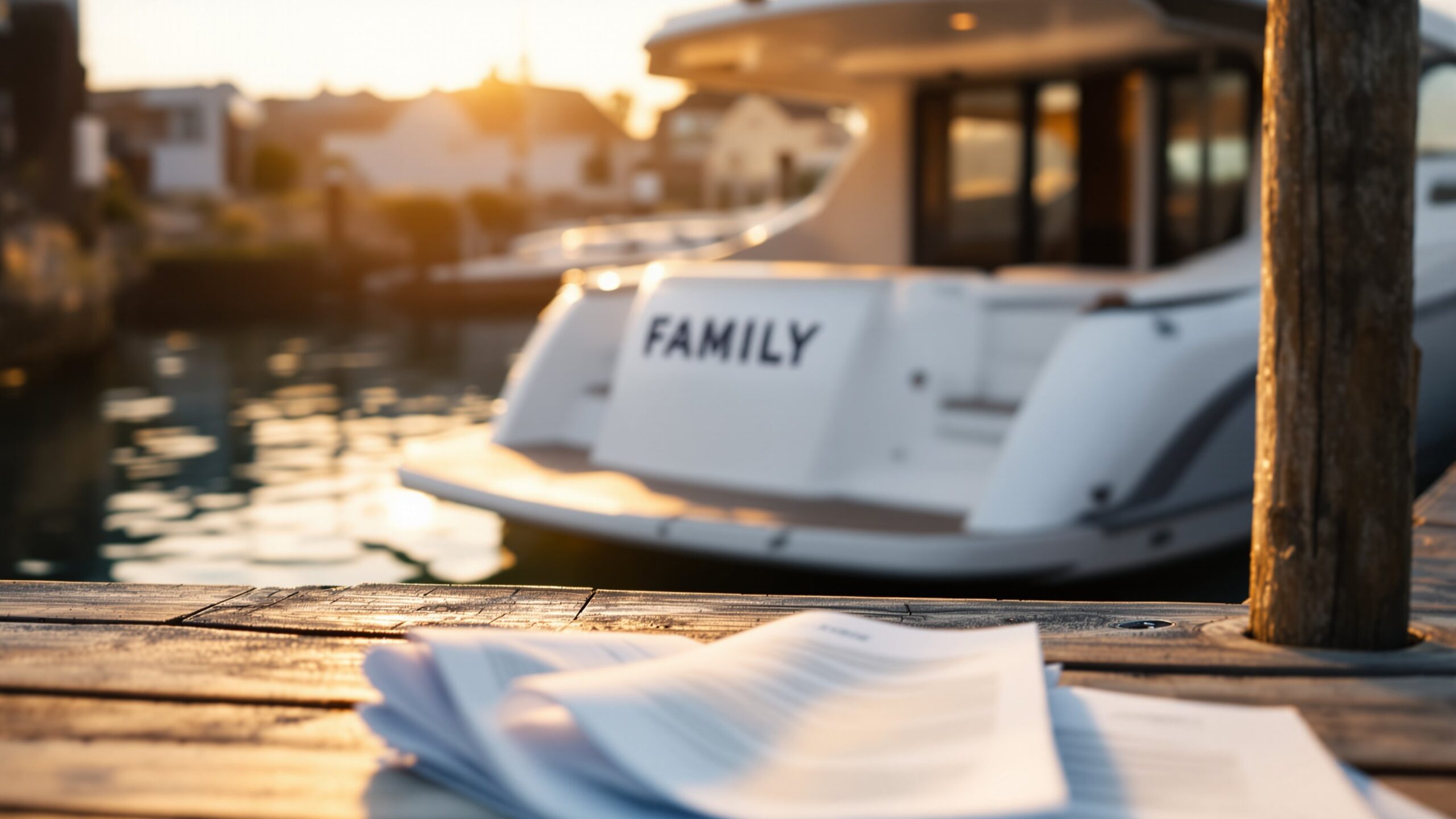
Owning a boat opens the door to freedom on the water, but it also brings responsibilities on land. Many first-time buyers focus on hull designs, horsepower, and marina fees while overlooking the paperwork that makes a vessel legally theirs. Boat titles, registration rules, and safety requirements can feel confusing because they vary by state and by the size and type of craft. Yet these documents are just as important as the anchor or life jackets on board. Understanding them protects owners from fines, disputes, and even losing their investment. This guide explains how boat titles work, why registration matters, and what every boater should know before launching.
A: Many do, but exemptions vary by state (often based on length, propulsion type, and use).
A: Titling proves ownership; registration authorizes operation and provides numbers/decals.
A: Usually on the transom (often starboard side) and sometimes in a secondary hidden location.
A: Ask them to obtain a duplicate title (or follow your state’s approved alternative transfer process) before you pay in full.
A: Often yes—trailers may require their own title/registration and have a separate VIN.
A: Some states offer temporary permits; others require the registration card first—check local rules.
A: Insurance is smart immediately after purchase; lenders and marinas may require proof.
A: Typically the registration card (and any required permits); keep copies of key ownership docs stored safely.
A: Documentation may replace numbers, but many states still require a state decal/validation—confirm locally.
A: Missing/altered HIN, mismatched names, unresolved liens, refusal to show ID, or pressure to rush a cash sale.
Why Legal Documentation Matters
A boat is more than a recreational toy—it is considered property, and in many cases a motor vehicle under maritime law. Proper documentation proves ownership, allows authorities to identify a vessel, and ensures taxes and fees are collected fairly. Without correct paperwork, selling a boat becomes difficult, insurance claims may be denied, and marinas may refuse storage. Legal records also help recover stolen vessels and prevent fraud in private sales. For these reasons, states require some form of registration for nearly all powered boats and many larger non-powered craft.
The Difference Between Titles and Registration
Many new owners assume a title and registration are the same thing, but they serve different purposes. A boat title is a legal certificate that identifies the owner and describes the vessel with details such as hull identification number (HIN), make, model, and year. It functions much like a car title and is used when transferring ownership. Registration, on the other hand, is permission from a state agency to operate the boat on public waters. Registration results in display numbers and decals that must be shown on the hull.
Not every state issues titles for boats, especially for older or smaller vessels. Some jurisdictions title only boats over a certain length or those with engines above a specific horsepower. Registration, however, is required almost everywhere for motorized craft. Knowing whether your state requires a title, registration, or both is the first step after purchase.
Hull Identification Numbers: The Boat’s Fingerprint
Every boat built after 1972 carries a Hull Identification Number assigned by the manufacturer. This 12-character code is permanently affixed to the transom and acts like a vehicle identification number. It reveals the builder, serial number, and production date. The HIN is essential for titling, registration, and insurance, and it is used by law enforcement to track stolen vessels. Buyers should always verify that the HIN on the boat matches the paperwork before completing a sale. Altered or missing numbers are red flags that can signal theft or major damage.
Registering a Newly Purchased Boat
After buying a boat—whether from a dealership or private seller—most states require registration within a short window, often 15 to 30 days. The process typically involves submitting a bill of sale, proof of ownership, the previous registration, and identification. Fees are based on boat length, propulsion type, and sometimes county of residence. Once approved, the owner receives registration numbers and decals that must be displayed on both sides of the bow in a specific size and color.
Dealerships often handle initial paperwork for new boats, but private transactions place the burden on the buyer. Failing to register on time can lead to penalties or being prohibited from using the vessel. Keeping copies of submitted forms is wise in case records are delayed.
Titling a Boat After Purchase
If your state issues titles, obtaining one should be a top priority. The seller must sign over the existing title, similar to transferring a car. For boats without a previous title, states may require a notarized bill of sale, inspection, or affidavit explaining the vessel’s history. Lienholders such as banks will be listed on the title until loans are paid off. Owners should store titles in a safe place rather than on the boat, since they are proof of ownership.
Renewals and Expiration Dates
Boat registrations are not permanent. Most expire every one to three years, depending on state rules. Renewal notices are usually mailed, but responsibility ultimately lies with the owner. Operating with expired registration can result in tickets or even impoundment. Some states offer online renewal, making the process quick and convenient. Titles generally do not expire, but updates are required when ownership, address, or lien status changes.
Special Rules for Non-Powered Craft
Canoes, kayaks, sailboats without motors, and paddleboards occupy a gray area in many jurisdictions. Some states exempt them from registration, while others require it if the vessel exceeds a certain length or uses electric trolling motors. Even when not required, voluntary registration can help prove ownership and assist recovery if the craft is stolen. Checking local regulations before hitting the water avoids unpleasant surprises.
Coast Guard Documentation
Larger vessels used on navigable waters may qualify for federal documentation through the U.S. Coast Guard instead of state titling. Documentation is common for boats over five net tons, roughly equivalent to 26 feet or more. It provides a nationally recognized certificate useful for international travel and financing. Documented vessels still need to comply with some state requirements, particularly regarding taxes and safety equipment. Owners should weigh the benefits and obligations before choosing this route.
Taxes and Fees to Expect
Beyond purchase price, new owners often face sales tax, use tax, registration fees, and sometimes personal property tax. States calculate these charges differently, and moving a boat across state lines can trigger additional assessments. Keeping receipts and understanding exemptions—such as for boats kept in another state for a certain period—can save money. Marinas and lenders frequently require proof that taxes are paid before offering services.
Insurance Considerations
While not always legally mandated, boat insurance is strongly recommended and sometimes required by marinas or lenders. Insurers will request registration numbers, HIN, and proof of ownership before issuing a policy. Accurate paperwork speeds claims after accidents, storms, or theft. Owners who modify engines or equipment should update records to avoid coverage disputes.
Safety and Equipment Requirements
Registration alone does not make a boat legal to operate. States and federal law mandate safety gear such as life jackets, fire extinguishers, navigation lights, and sound-producing devices. Operators may need boater education certificates depending on age and horsepower. Failing to meet these requirements can result in citations during routine inspections. Keeping a compliance checklist on board is a simple way to stay prepared.
Buying From a Private Seller
Private purchases offer great deals but require caution. Buyers should insist on a clear title free of liens, verify the HIN, and obtain a detailed bill of sale including price, date, and signatures. Meeting at a bank or licensing office can protect both parties. Never accept promises that paperwork will be mailed later. If the seller cannot provide proper documents, walking away is often the safest choice.
Selling a Boat Legally
Sellers also have responsibilities. They must sign over the title, provide accurate information, and in many states notify the registration agency of the sale to avoid liability for the new owner’s actions. Removing registration numbers before delivery is recommended. Providing maintenance records and manuals increases buyer confidence and can justify a higher price.
Moving Between States
Relocating with a boat requires updating registration to the new state within a set timeframe. Some states honor previous registrations for a short grace period, while others require immediate action. Owners should research destination rules before moving to avoid double taxation or lapses in legality. Coast Guard documented vessels have additional procedures for address changes.
Dealing With Lost Paperwork
Titles and registrations occasionally get lost or damaged. States provide processes for obtaining duplicates, usually involving affidavits, identification, and modest fees. Acting quickly is important because selling or insuring a boat without these documents becomes nearly impossible. Keeping digital scans stored securely can save headaches later.
Stolen Boats and Fraud Prevention
Boat theft remains a significant problem, particularly for personal watercraft and outboard engines. Proper registration and visible numbers help authorities identify recovered vessels. Owners should record the HIN, take photos, and consider GPS tracking devices. When buying used, checking databases for stolen boats and verifying the seller’s identity are smart precautions.
Environmental and Local Regulations
Beyond ownership documents, many waterways impose additional rules. Some lakes require invasive species inspections, special permits, or horsepower limits. Coastal areas may enforce discharge restrictions or mooring permits. Understanding these local requirements is part of responsible boat ownership and can prevent fines that paperwork alone will not solve.
The Role of Boating Education
Education courses often cover legal responsibilities in depth. Many states require completion before young operators can register or drive a boat. Even experienced captains benefit from refresher classes that explain recent changes in law. Knowledgeable owners navigate not only waterways but also the administrative side of boating with confidence.
Digital Trends in Registration
Agencies are gradually modernizing, offering online applications, electronic decals, and instant verification for law enforcement. These systems reduce wait times and paperwork errors. Owners should keep email confirmations and digital copies on their phones in case physical documents are misplaced while traveling.
Common Mistakes to Avoid
One frequent error is assuming a trailer registration covers the boat—it does not. Another is forgetting to transfer titles after paying off loans, leaving banks listed as lienholders. Displaying numbers incorrectly or using decorative fonts can also lead to citations. Attention to these small details keeps outings stress-free.
Preparing for the Water
Before the first launch, owners should assemble a folder containing title or documentation, current registration, insurance card, and emergency contacts. Having this information accessible satisfies inspectors and speeds assistance during accidents. Treating paperwork as essential gear reflects the seriousness of boating as both recreation and responsibility.
Conclusion
Boat titles, registration, and legal requirements may not be as exciting as open throttles and sunset cruises, but they are the foundation of worry-free boating. Clear ownership records protect investments, enable smooth sales, and ensure compliance wherever the wake leads. By understanding the distinctions between titles and registration, respecting deadlines, and keeping accurate documentation, boaters can focus on what truly matters—the joy of life on the water. Whether you captain a small fishing skiff or a family cruiser, mastering the legal side is the first step toward confident and responsible adventures.


