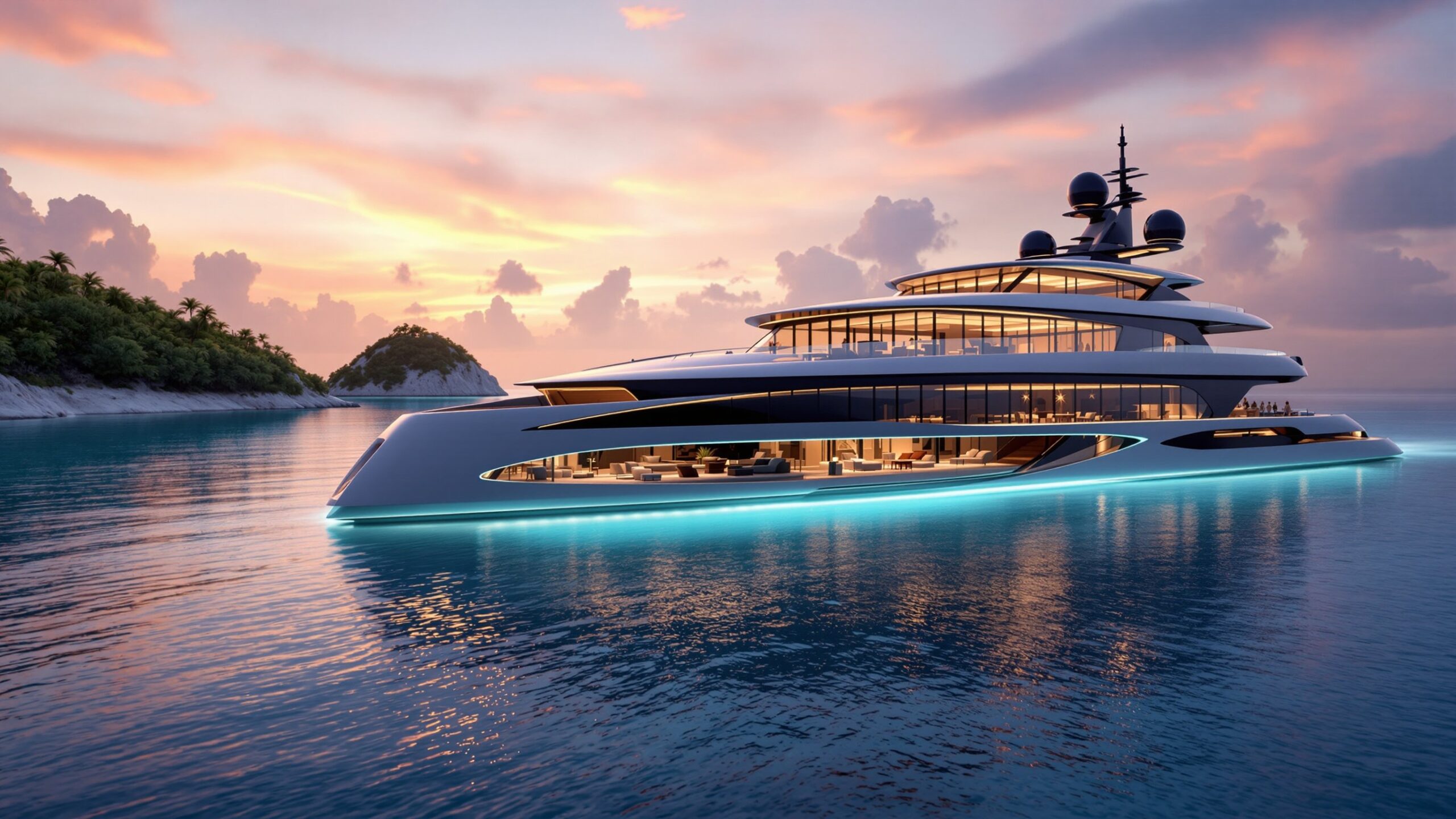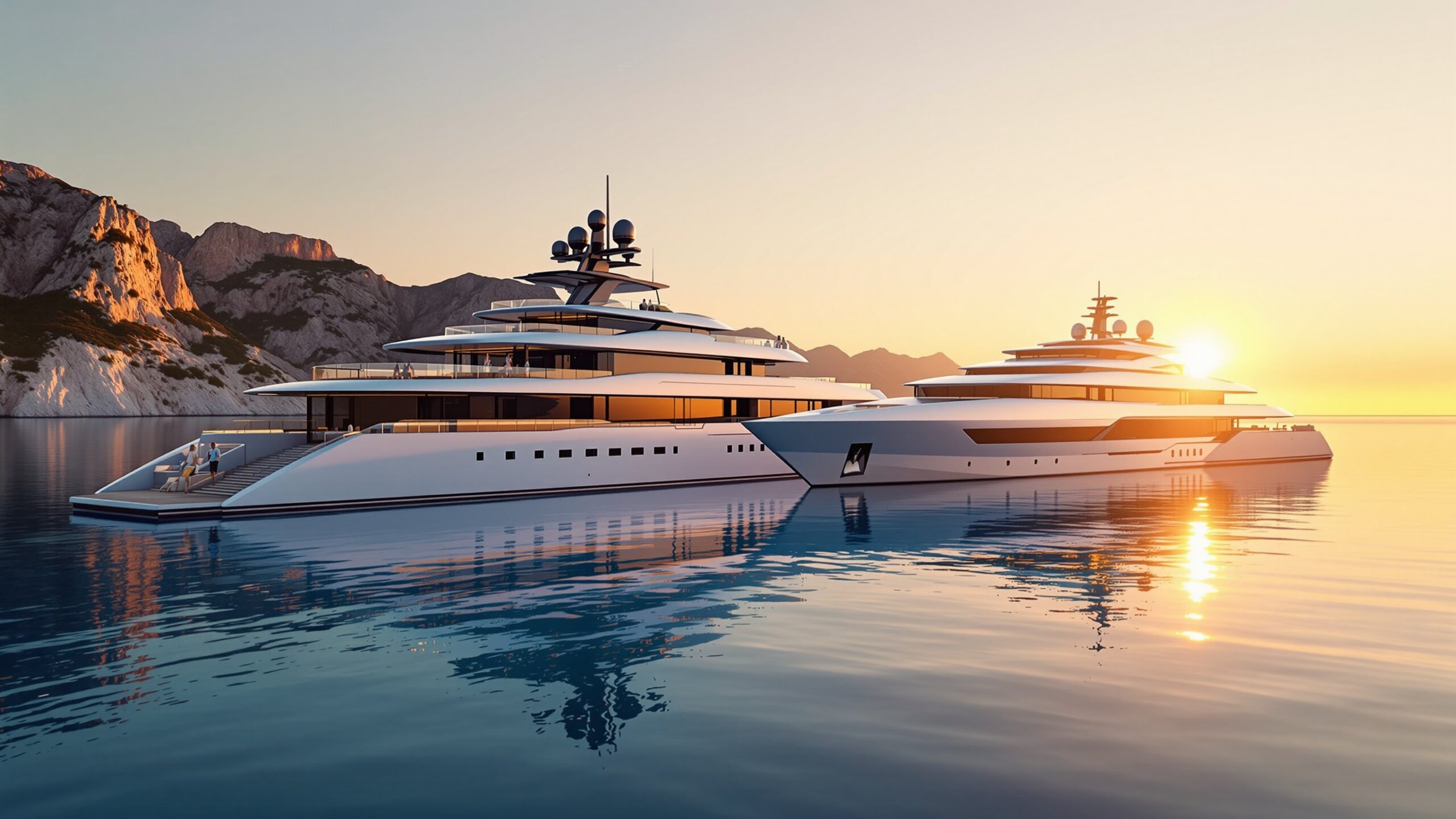
The world of elite boating is filled with glamorous images of sleek hulls cutting through turquoise water, rooftop helipads hovering above endless oceans, and floating palaces hosting celebrities, billionaires, and royalty. Yet one question continues to confuse newcomers to the luxury marine world: what exactly is the difference between a luxury yacht and a superyacht? At first glance, the two terms appear interchangeable. Both describe expensive, privately owned vessels designed for recreation, comfort, and prestige. Both feature luxurious interiors, advanced technology, and high-end amenities. But in reality, the distinction between a luxury yacht and a superyacht goes far deeper than marketing language. Size, crew requirements, engineering complexity, onboard lifestyle, global range, and even social status all separate these two classes of vessels. Understanding the difference matters because these boats exist in entirely different categories of ownership and experience. A luxury yacht may represent an upscale recreational vessel for wealthy enthusiasts, while a superyacht operates more like a floating five-star resort engineered for transoceanic travel and elite entertainment. The financial gap between the two can stretch from millions to hundreds of millions of dollars. As yacht culture continues to explode across destinations like the Mediterranean, the Caribbean, Dubai, Monaco, and Southeast Asia, more people are becoming fascinated with the upper tiers of marine luxury. Social media has also intensified public interest, showcasing jaw-dropping vessels with infinity pools, underwater lounges, and private cinemas that blur the line between boat and floating mansion. To truly understand the modern luxury boating world, it helps to break down how these vessels differ in design, performance, ownership, lifestyle, and prestige.
A: A superyacht is typically larger, professionally crewed, more complex, and equipped with higher-end amenities.
A: Many people use about 24 meters or 79 feet as the informal benchmark.
A: No. Price matters, but size, crew, systems, and onboard capability matter more.
A: Almost always. They usually need professional captains, engineers, deck crew, and hospitality staff.
A: Yes. Many are available for private charter with crew, dining, itineraries, and water activities included or arranged.
A: It usually refers to an even larger superyacht, though the exact size cutoff is not universally fixed.
A: No. Some are built for long range, while others focus on coastal cruising, entertaining, and destination luxury.
A: They require crew salaries, fuel, repairs, insurance, docking, inspections, upgrades, and constant upkeep.
A: Guest suites, lounges, sundecks, beach clubs, gyms, cinemas, spas, tenders, and water toys are common.
A: A luxury yacht may suit simpler cruising, while a superyacht fits owners wanting full-service travel at a much larger scale.
What Is a Luxury Yacht?
A luxury yacht is a privately owned recreational boat designed with comfort, leisure, and upscale living in mind. These vessels are built to provide a premium experience on the water while maintaining manageable size and operational requirements. Most luxury yachts range from roughly 40 to 80 feet in length, though some can stretch slightly beyond that threshold depending on regional classifications.
Luxury yachts typically include elegant interiors, high-end cabins, entertainment systems, gourmet kitchens, sun decks, and water activity equipment. Owners often use them for weekend cruising, coastal adventures, island hopping, fishing excursions, or entertaining guests.
Modern luxury yachts can be remarkably sophisticated. Many include smart navigation systems, stabilization technology, premium sound systems, climate-controlled interiors, and custom-designed furnishings comparable to luxury homes. Manufacturers such as Azimut, Sunseeker, Princess, Ferretti, and Galeon have helped redefine what buyers expect from luxury recreational boating.
Despite their impressive features, luxury yachts remain relatively practical compared to superyachts. Many can be owner-operated or require only a small crew. Maintenance costs, docking requirements, and fuel expenses are significant but still manageable for affluent owners.
In many cases, luxury yachts function similarly to vacation homes on the water. Owners may use them seasonally, charter them occasionally, or keep them docked at marinas in desirable coastal cities.
What Is a Superyacht?
A superyacht represents an entirely different level of maritime luxury. These vessels are massive, highly engineered, professionally crewed yachts designed for global travel, elite hospitality, and extraordinary customization. While definitions vary slightly within the industry, most experts classify a yacht over 80 to 100 feet as a superyacht.
Once a vessel enters superyacht territory, nearly every aspect changes. The boat becomes less like a recreational cruiser and more like a floating luxury resort. Professional captains, engineers, chefs, deckhands, stewards, and hospitality staff become essential for operation.
Superyachts often include features unimaginable on standard luxury yachts. Private spas, cinemas, elevators, gyms, beach clubs, submarine garages, helicopter landing pads, swimming pools, and multi-level owner suites are increasingly common. Some even contain recording studios, art galleries, or onboard medical facilities.
The engineering behind these vessels is also dramatically more advanced. Superyachts are built for long-distance ocean travel, complex stabilization, extended fuel capacity, and high-performance systems that support dozens of guests and crew simultaneously.
Brands such as Lürssen, Feadship, Oceanco, Benetti, and Amels dominate the superyacht industry. These shipyards often spend years building fully custom vessels tailored to billionaire owners who demand uniqueness and privacy.
A superyacht is not simply a larger boat. It is a symbol of extreme wealth, global mobility, and elite status.
Size Is the Biggest Starting Point
The clearest distinction between luxury yachts and superyachts begins with size. Although there is no universally enforced legal definition, length remains the primary industry benchmark. Luxury yachts generally range between 40 and 80 feet. These vessels are large enough to provide spacious living areas and overnight accommodations while still remaining relatively easy to maneuver and dock. Superyachts usually begin around 80 to 100 feet and can exceed 300 feet in extreme cases. Once a yacht crosses into this category, it enters a completely different operational and engineering class.
The increase in length creates exponential differences in volume and complexity. A 50-foot luxury yacht may comfortably accommodate six to ten guests. A 200-foot superyacht may host dozens of guests alongside a full professional crew. The sheer scale also changes onboard experience dramatically. Luxury yachts feel elegant and intimate. Superyachts feel expansive, almost like boutique luxury hotels floating on water.
Crew Requirements Separate the Two Worlds
One of the most important differences between luxury yachts and superyachts involves staffing. Many luxury yachts can be operated by their owners or with minimal assistance. Some owners hire a captain for larger vessels, but daily management often remains relatively simple. Superyachts require professional crews operating around the clock. A 150-foot superyacht may employ 10 to 20 crew members, while mega-superyachts can require staffs comparable to luxury resorts.
Crew positions often include:
- Captain
- First officer
- Engineers
- Deckhands
- Chefs
- Stewardesses
- Hospitality managers
- Security personnel
- Dive instructors
- Spa therapists
This transforms the onboard experience entirely. Superyacht guests receive personalized service similar to elite hotels. Meals are prepared by private chefs, cabins are serviced daily, and itineraries are carefully coordinated by professional staff.
The owner is no longer simply “boating.” They are hosting a private luxury operation.
Interior Design Reaches Another Level
Luxury yachts often feature premium interiors with leather seating, polished woods, upscale kitchens, and modern entertainment systems. Many look similar to luxury condos or penthouse apartments.
Superyachts elevate design into the realm of fine art and architecture.
Top designers collaborate with owners to create highly customized interiors using rare woods, marble, crystal, handcrafted furniture, bespoke lighting, and museum-quality decor. Some superyachts take years to design because owners demand fully personalized environments unlike any other vessel in the world. Interior themes can range from ultra-modern minimalism to classic European palace aesthetics. Certain superyachts even include rotating art collections or custom sculptures created specifically for the vessel.
The scale also allows for far more specialized rooms. While luxury yachts focus on practical social areas, superyachts may include wine cellars, wellness centers, beauty salons, cigar lounges, and underwater observation rooms.
Amenities Define the Experience
Luxury yachts deliver comfort and entertainment, but superyachts push amenities into fantasy territory.
A typical luxury yacht may offer:
- Outdoor dining spaces
- Sun pads
- Swim platforms
- Entertainment systems
- Guest cabins
- Small water toys
A superyacht, however, may include:
- Infinity pools
- Helicopter pads
- Private cinemas
- Full gyms
- Wellness spas
- Beach clubs
- Jet ski garages
- Submarines
- Multi-story atriums
- Nightclubs
- Basketball courts
Some of the world’s most extravagant superyachts resemble futuristic floating cities. They are designed not only for transportation or recreation but also for prestige, entertainment, and privacy at the highest level.
Range and Global Capability
Luxury yachts are often designed for regional cruising. Owners may explore coastal areas, nearby islands, or popular boating destinations over short distances. Superyachts are engineered for global exploration.
Many can cross oceans without refueling and remain self-sufficient for weeks at sea. Advanced navigation systems, powerful engines, desalination plants, stabilization technology, and industrial-grade systems allow them to operate almost anywhere in the world.
This opens access to remote destinations such as Antarctica, the South Pacific, Greenland, or private island chains far from major ports.
Explorer superyachts have become especially popular among ultra-wealthy owners seeking adventure combined with luxury. These vessels combine ice-class engineering with five-star interiors, allowing owners to travel to extreme environments without sacrificing comfort.
Ownership Costs Are Vastly Different
The financial gap between luxury yachts and superyachts is enormous. A luxury yacht may cost anywhere from several hundred thousand dollars to several million depending on size, brand, and customization. Annual operating costs often equal around 10% of the vessel’s value. Superyachts operate on another financial level entirely.
Many cost tens or hundreds of millions of dollars to build. Annual maintenance can easily exceed several million dollars. Crew salaries, fuel, docking fees, insurance, repairs, provisioning, and refits create ongoing expenses that rival luxury hotel operations. Fuel alone can become staggering. Large superyachts consume enormous quantities during long-distance voyages. Docking in elite destinations like Monaco or Saint-Tropez can also carry extraordinary fees during peak seasons. Ownership therefore becomes less about purchasing a boat and more about sustaining an ongoing luxury enterprise.
Charter Markets Highlight the Difference
The charter industry clearly demonstrates how these categories diverge.
Luxury yachts are often chartered for smaller family vacations, fishing trips, romantic getaways, or weekend coastal cruises. Prices vary widely but can remain accessible for affluent travelers.
Superyacht charters target ultra-high-net-worth individuals seeking elite experiences. Weekly charter costs can range from tens of thousands to several million dollars depending on the vessel and destination.
Guests aboard superyachts expect tailored itineraries, private chefs, personalized activities, and VIP service levels. Charter brokers coordinate everything from helicopter transfers to exclusive beach events.
For many wealthy individuals, chartering a superyacht offers access to billionaire-level luxury without the full responsibilities of ownership.
Technology and Engineering Complexity
Luxury yachts already incorporate impressive marine technology, but superyachts operate at another level entirely.
Modern superyachts feature advanced stabilization systems that reduce rolling motion even in rough seas. Satellite communication networks provide global internet access. Sophisticated engine management systems monitor performance continuously.
Many also include hybrid propulsion systems, noise-reduction engineering, and environmentally focused technologies aimed at improving efficiency and sustainability. Bridge systems resemble aviation control centers with integrated digital navigation, radar monitoring, and automated controls.
The engineering challenge becomes exponentially more difficult as yachts increase in size. Supporting luxury hotel-style living on the open ocean requires extraordinary infrastructure hidden beneath elegant interiors.
Privacy and Security Become Priorities
Privacy represents one of the biggest reasons billionaires purchase superyachts.
Luxury yachts provide escape and relaxation, but superyachts create private worlds isolated from public attention. Celebrities, executives, royalty, and ultra-wealthy individuals use these vessels to avoid paparazzi, crowds, and security concerns.
Many superyachts incorporate advanced security systems, surveillance technology, secure communication networks, and restricted-access areas. The ability to anchor offshore in exclusive destinations while maintaining complete privacy is one of the defining appeals of superyacht ownership.
The Rise of the Mega Yacht
Above superyachts lies yet another category often referred to as mega yachts or giga yachts. These vessels commonly exceed 200 feet and represent the absolute peak of private maritime luxury. Some rival cruise ships in complexity while maintaining fully customized private ownership. Mega yachts may include multiple helipads, full-scale wellness centers, concert venues, and accommodations for dozens of guests and crew. They are less about boating and more about creating floating estates capable of global travel.
Lifestyle Differences Matter Most
Ultimately, the real difference between luxury yachts and superyachts comes down to lifestyle. A luxury yacht supports upscale recreation and personal enjoyment. It enhances vacations, coastal adventures, and social gatherings.
A superyacht transforms into a complete luxury ecosystem. It becomes a mobile private resort, entertainment venue, business retreat, and symbol of global elite status all in one. Luxury yacht ownership feels aspirational for many wealthy buyers. Superyacht ownership exists in a far rarer world occupied by billionaires, royalty, and international power figures.
Sustainability Is Reshaping Both Markets
Environmental awareness is beginning to influence both luxury yacht and superyacht construction. Buyers increasingly demand cleaner propulsion systems, energy-efficient technologies, sustainable materials, and reduced emissions. Hybrid engines, solar integration, battery systems, and advanced wastewater treatment are becoming more common across the industry.
Superyacht builders in particular face growing pressure to balance luxury with sustainability. Because these vessels consume immense resources, future innovation will likely focus heavily on greener technologies without sacrificing comfort. The next generation of yachts may redefine luxury itself by prioritizing efficiency, environmental responsibility, and intelligent engineering.
Which One Is Right for Different Buyers?
Choosing between a luxury yacht and a superyacht depends entirely on lifestyle, travel goals, and financial capability. Luxury yachts suit owners seeking flexibility, manageable operation, coastal cruising, and upscale recreation without overwhelming complexity. Superyachts appeal to buyers who prioritize global exploration, elite hospitality, total privacy, and unmatched luxury experiences. For some owners, a luxury yacht represents freedom and adventure. For others, a superyacht becomes an extension of personal identity and global influence.
Final Thoughts
The difference between luxury yachts and superyachts extends far beyond simple size. While both represent extraordinary expressions of wealth and marine craftsmanship, they occupy entirely different worlds of ownership and experience. Luxury yachts deliver sophistication, comfort, and unforgettable adventures on the water. They provide premium recreational boating experiences that blend elegance with practicality.
Superyachts, however, redefine what a private vessel can become. They operate as floating luxury estates engineered for global travel, elite entertainment, and unparalleled exclusivity. Every detail — from crew operations to custom architecture — exists on a scale unimaginable to most people.
As yacht culture continues evolving, the line between marine transportation and floating luxury lifestyle grows increasingly blurred. Whether someone dreams of a sleek coastal cruiser or a massive transoceanic superyacht, one thing remains certain: the fascination with life at sea continues to capture imaginations around the world.