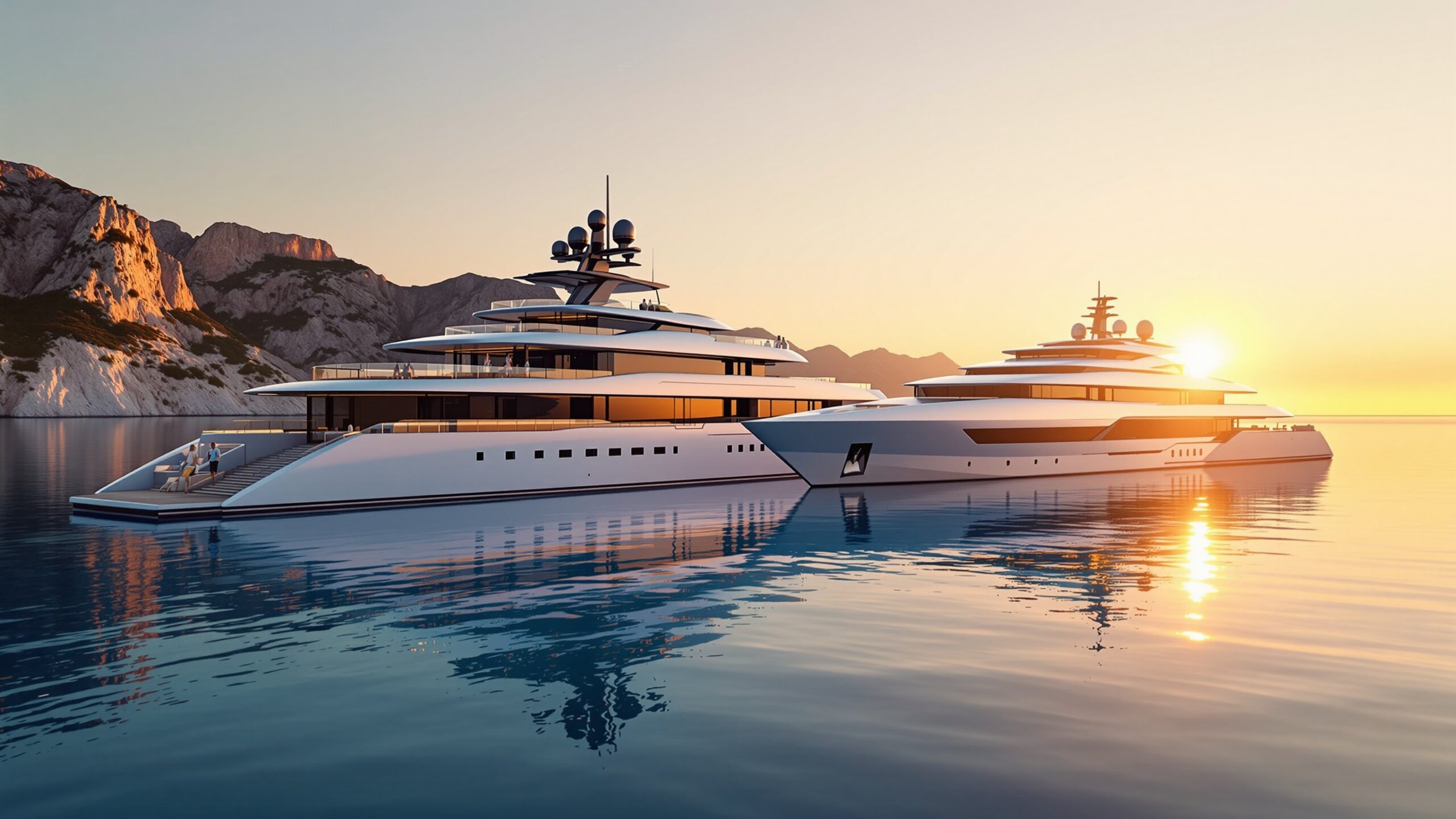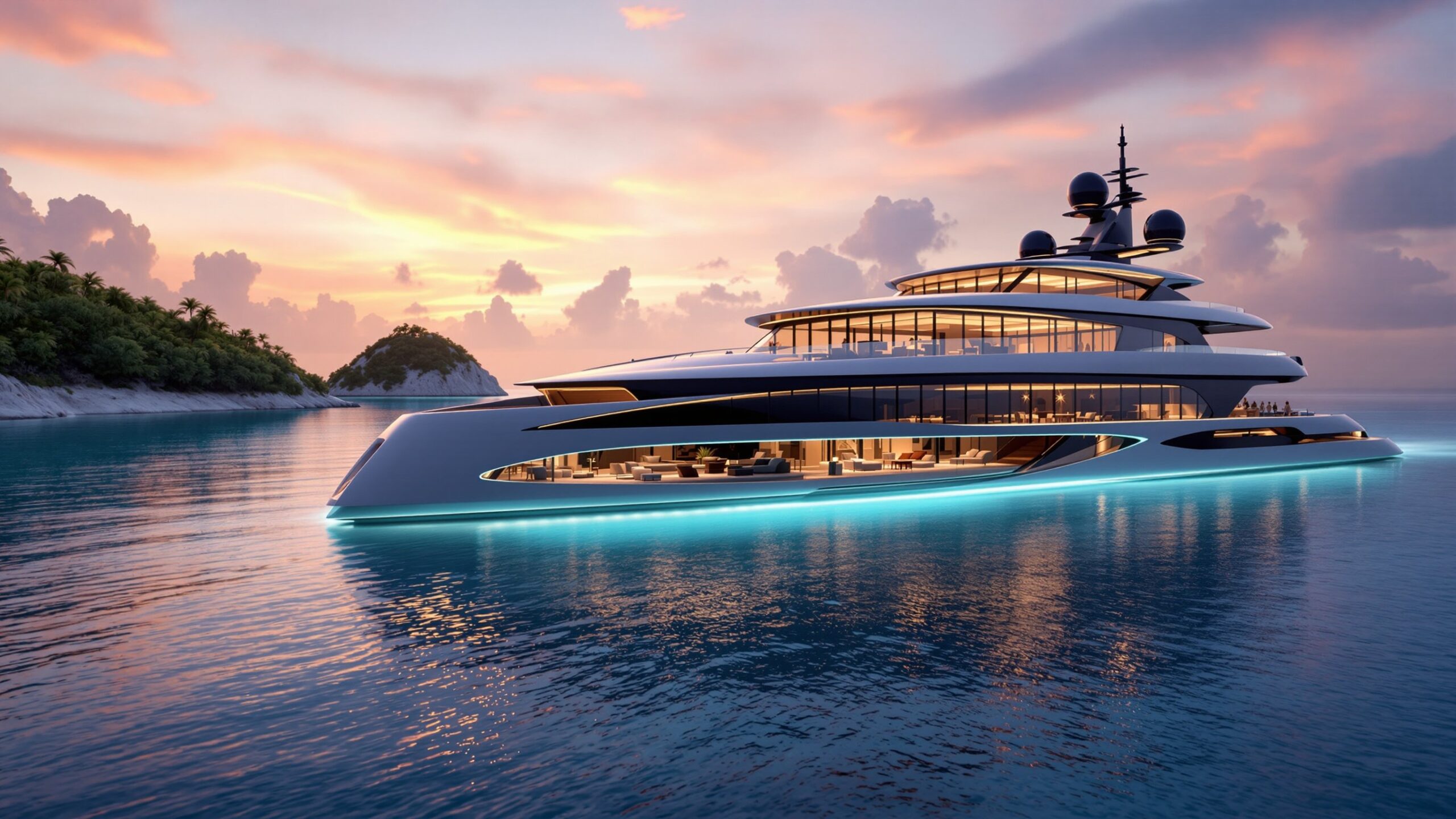
The world of superyachts has long been associated with luxury, exclusivity, and cinematic lifestyles. Images of sleek vessels gliding across turquoise seas, private helipads perched above sun decks, and glamorous guests dining under the stars have helped transform superyachts into symbols of wealth and freedom. Yet despite their growing visibility in travel media, documentaries, and social platforms, many people still ask the same question: what exactly is a superyacht? The answer is more fascinating than most beginners realize. A superyacht is not simply a large boat. It represents an entire world of engineering, hospitality, design, technology, and lifestyle culture wrapped into one floating masterpiece. These vessels are designed to deliver experiences that rival five-star resorts while also offering the privacy and mobility of a private residence at sea. Modern superyachts come in countless shapes and sizes. Some are sleek performance-driven machines built for speed and adventure. Others are sprawling floating palaces designed for global exploration and ultimate relaxation. Some prioritize sustainability and advanced hybrid technology, while others focus on entertainment with cinemas, beach clubs, underwater lounges, spas, and even submarines onboard. For beginners, the superyacht industry can seem overwhelming. Terms like displacement hulls, beam width, gross tonnage, tenders, charter seasons, and yacht management may sound confusing at first. However, understanding the fundamentals opens the door to one of the most intriguing luxury industries in the world. This complete beginner’s guide explains what a superyacht is, how these vessels work, what makes them different from regular yachts, how much they cost, how people use them, and why superyachts continue to captivate travelers, entrepreneurs, celebrities, and adventurers around the globe.
A: Size, luxury, professional crew, advanced systems, and high-end guest accommodations usually define it.
A: Many people use 24 meters or 79 feet as the starting point, though larger vessels are often called megayachts.
A: Yes, many superyachts are available for charter in popular cruising destinations.
A: Yes, most require professional crew for navigation, engineering, hospitality, cleaning, cooking, and safety.
A: A tender is a smaller boat used to move guests, supplies, and crew between the yacht and shore.
A: No, some cruise coastal waters, islands, rivers, and protected bays, depending on size and draft.
A: Megayacht usually refers to even larger luxury yachts, though the terms are often used loosely.
A: It depends on fuel capacity, hull design, engines, speed, weather, and cruising style.
A: Crew, fuel, maintenance, insurance, docking, management, supplies, and refits all add significant cost.
A: A superyacht is not just a boat; it is a floating luxury property, workplace, hotel, and engineering system combined.
Defining a Superyacht
A superyacht is generally considered a professionally crewed luxury yacht measuring at least 24 meters, or roughly 79 feet, in length. While there is no single universal definition accepted by every country or marina, the 24-meter threshold is widely recognized within the marine industry.
What separates a superyacht from a standard recreational yacht is not only size but also complexity and service. Superyachts are typically operated by professional crews that may include captains, engineers, chefs, stewards, deckhands, dive instructors, spa therapists, and concierge specialists. These vessels are built to provide hotel-level luxury while functioning independently on the open ocean for extended periods.
At the highest levels of the industry, the term “megayacht” is often used for vessels exceeding 60 meters, while “gigayacht” may refer to ultra-massive yachts over 100 meters in length. These floating giants can rival cruise ships in sophistication while remaining entirely private.
Superyachts are often custom-built to reflect the owner’s personality and lifestyle. Some prioritize wellness and serenity with spa decks and meditation lounges. Others focus on exploration, carrying helicopters, submarines, and advanced expedition equipment for remote travel.
The Difference Between a Yacht and a Superyacht
Many beginners assume all large luxury boats are superyachts, but there are important differences between standard yachts and true superyachts. Traditional recreational yachts are usually owner-operated or managed with a very small crew. They are often used for weekend trips, fishing excursions, or coastal cruising. Superyachts, by contrast, operate more like luxury floating resorts.
The scale of amenities is one of the biggest distinctions. A standard yacht may feature a few cabins and a compact lounge area. A superyacht may include multiple decks, infinity pools, cinemas, gyms, beach clubs, wine cellars, beauty salons, and sophisticated entertainment systems. Another major difference is operational capability. Superyachts are engineered for longer voyages and greater stability in varying sea conditions. Some are capable of crossing entire oceans and traveling to remote regions such as Antarctica, Greenland, or the South Pacific.
Crew service also transforms the experience. Guests onboard a superyacht receive personalized hospitality comparable to elite luxury resorts. Meals are prepared by professional chefs, itineraries are customized daily, and activities are organized by experienced crews trained in premium guest service.
How Big Are Superyachts?
Superyachts vary dramatically in size. Entry-level superyachts begin around 24 meters, but many modern vessels range between 40 and 80 meters. The largest private yachts in the world exceed 180 meters in length.
To help beginners visualize scale, a 30-meter yacht may comfortably host several guests with multiple lounges and outdoor entertainment areas. A 60-meter yacht could include a pool, cinema, spa, gym, and accommodations for more than a dozen guests. At the extreme luxury end, 100-meter-plus yachts can contain helicopter hangars, basketball courts, concert spaces, and submarine garages.
Length is only one measurement that matters. Beam width, internal volume, deck configuration, and layout all influence how spacious a yacht feels. Some expedition-style yachts prioritize storage and rugged capabilities, while others maximize open-air luxury spaces for Mediterranean entertaining.
Types of Superyachts
The superyacht world includes several distinct categories, each designed for different lifestyles and travel goals. Motor yachts are the most common type. Powered by engines rather than sails, they are known for speed, comfort, and expansive living spaces. These yachts dominate the charter market and are often associated with glamorous destinations like the French Riviera and the Caribbean.
Sailing superyachts combine traditional elegance with modern engineering. These vessels feature towering masts and advanced sail systems capable of crossing oceans efficiently. Many enthusiasts consider sailing yachts to offer a more authentic connection to the sea.
Explorer yachts have become increasingly popular in recent years. Built for long-range expeditions and rugged environments, they are designed to travel far beyond traditional luxury destinations. Explorer yachts may carry helicopters, scientific equipment, diving gear, and support vessels for adventure travel. Catamaran superyachts feature twin hulls, offering exceptional stability and wider deck spaces. Their popularity has grown rapidly due to fuel efficiency and comfortable cruising experiences.
Inside a Modern Superyacht
Stepping inside a superyacht often feels more like entering a luxury hotel than boarding a vessel. Interior design has become one of the defining elements of modern yacht culture, with world-renowned designers creating floating environments that blend elegance, comfort, and cutting-edge technology.
Most superyachts feature multiple guest suites, expansive salons, formal dining areas, and outdoor lounges. Materials such as marble, exotic woods, leather, brushed metals, and custom glasswork are commonly used throughout the interiors.
Technology plays a major role in the onboard experience. Lighting, climate control, entertainment systems, and privacy settings are frequently managed through centralized smart systems. Many yachts now include immersive cinemas, gaming lounges, virtual golf simulators, and advanced wellness facilities.
Outdoor spaces are equally important. Sun decks with jacuzzis, beach clubs positioned close to the waterline, and alfresco dining areas are central to the superyacht lifestyle. Some vessels even include fold-out terraces that create floating platforms directly above the sea.
The Role of the Crew
Crew members are one of the defining features of the superyacht experience. Depending on the yacht’s size, crews can range from a handful of professionals to more than 50 highly trained specialists. The captain oversees navigation, safety, and operations. Engineers maintain the vessel’s complex systems. Deck crews handle docking, water sports, and exterior maintenance. Interior stewards provide luxury hospitality similar to five-star hotels.
Chefs are especially important onboard. Many superyacht chefs train in elite culinary programs and create customized menus tailored to guest preferences. Dining experiences often become highlights of the voyage, with fresh seafood, international cuisine, and private beach dinners adding to the atmosphere. Some yachts also carry dive instructors, yoga teachers, massage therapists, personal trainers, and event planners to enhance the onboard experience.
Popular Superyacht Destinations
Superyachts travel to some of the most breathtaking destinations on Earth. The Mediterranean remains one of the industry’s most iconic cruising regions, particularly during the summer season. The French Riviera attracts glamorous visitors with destinations like Monaco, Cannes, and Saint-Tropez. Italy offers stunning coastlines along the Amalfi Coast, Sardinia, and Sicily. Greece provides crystal-clear waters and hundreds of picturesque islands ideal for island hopping.
During winter, many yachts relocate to the Caribbean. The Bahamas, Saint Barts, Antigua, and the British Virgin Islands are especially popular among charter guests seeking warm weather and turquoise waters. Explorer yachts have expanded interest in remote destinations such as Norway’s fjords, Iceland, Alaska, Antarctica, and the Galápagos Islands. Adventure-focused travelers increasingly seek unique experiences beyond traditional luxury hotspots.
Buying a Superyacht
Purchasing a superyacht is a complex process involving brokers, designers, shipyards, surveyors, legal teams, and management companies. Buyers can either purchase existing yachts or commission fully custom builds. Custom superyachts may take several years to complete and cost tens or even hundreds of millions of dollars depending on size and specifications.
The construction process is highly collaborative. Owners work closely with naval architects and designers to create layouts, styling, entertainment features, and technical systems tailored to their preferences. Operating costs are also substantial. Industry experts often estimate annual operating expenses at roughly 10 percent of the yacht’s original purchase price. These expenses include fuel, crew salaries, insurance, maintenance, marina fees, and provisioning.
Chartering a Superyacht
Fortunately, ownership is not the only way to experience the superyacht lifestyle. Chartering has become one of the fastest-growing sectors of the industry. A superyacht charter allows guests to rent a yacht for a specific duration, often ranging from a few days to several weeks. Charters provide access to luxury experiences without the long-term responsibilities of ownership.
Charter prices vary dramatically based on yacht size, season, location, and onboard amenities. Entry-level luxury charters may start around tens of thousands of dollars per week, while elite megayachts can exceed one million dollars weekly during peak seasons. Most charters include crew service and itinerary planning, while additional expenses such as fuel, food, docking fees, and beverages are usually charged separately through an Advance Provisioning Allowance, commonly known as APA.
The Technology Behind Superyachts
Modern superyachts are technological marvels. Advanced stabilization systems help reduce motion at sea, improving comfort during voyages. Sophisticated navigation software enables captains to travel safely across oceans while monitoring weather patterns and maritime traffic. Communication systems onboard often rival corporate offices, allowing guests to remain connected through satellite internet and global communication networks.
Sustainability has also become a growing focus within the industry. Hybrid propulsion systems, solar technology, battery integration, wastewater treatment systems, and eco-friendly materials are increasingly incorporated into new yacht designs. Shipyards are investing heavily in greener technologies as environmental awareness grows among owners and charter guests alike.
Why Superyachts Fascinate the World
Part of the fascination surrounding superyachts comes from their ability to combine engineering, art, and adventure into one extraordinary platform. They represent freedom in its purest form: the ability to wake up in a different paradise every morning while carrying the comforts of a luxury home across the sea.
For some owners, yachts are private retreats that provide peace and privacy away from public life. For others, they are social platforms used for entertaining, networking, and hosting unforgettable experiences.
The superyacht industry also reflects broader trends in luxury travel. Modern affluent travelers increasingly prioritize experiences over possessions. Rather than simply owning luxury items, many seek personalized adventures, remote exploration, and highly curated hospitality experiences.
Social media and streaming platforms have further amplified public fascination with superyachts. Viewers now regularly see behind-the-scenes glimpses into crew life, charter operations, and extraordinary yacht interiors, making the industry more visible and intriguing than ever before.
The Future of Superyachts
The future of the superyacht industry is evolving rapidly. Sustainability, technology, and wellness are shaping the next generation of yacht design.
Hybrid propulsion and alternative fuel systems are expected to become more common as environmental regulations tighten and owners seek greener travel solutions. Hydrogen-powered concepts and electric propulsion technologies are already being explored by leading shipyards.
Interior spaces are also changing. Wellness-focused amenities such as cryotherapy rooms, meditation studios, advanced gyms, and spa facilities are becoming increasingly popular. Adventure travel continues to influence yacht design as well. More owners are requesting expedition-ready capabilities that allow them to reach remote parts of the world while maintaining luxury-level comfort.
At the same time, younger generations of wealthy travelers are reshaping expectations around flexibility, sustainability, and experiential travel. The superyachts of tomorrow may look very different from the floating palaces of previous decades.
Final Thoughts
Understanding what a superyacht is goes far beyond measuring the size of a luxury boat. A superyacht represents a unique intersection of innovation, hospitality, design, travel, and personal freedom. These vessels function as floating private resorts capable of exploring some of the most beautiful destinations on Earth while delivering unmatched comfort and exclusivity.
For beginners, the superyacht world may initially appear mysterious and inaccessible, but learning the fundamentals reveals a fascinating industry built around craftsmanship, adventure, and extraordinary experiences. Whether someone dreams of chartering a yacht for a future vacation, following the industry out of curiosity, or one day owning a vessel themselves, superyachts continue to symbolize the limitless possibilities of luxury travel at sea.
From glamorous Mediterranean harbors to remote polar expeditions, superyachts embody a lifestyle centered on exploration, elegance, and freedom. And as technology and sustainability continue to shape the future of maritime travel, the world of superyachts is only becoming more innovative, exciting, and captivating for the next generation of ocean enthusiasts.