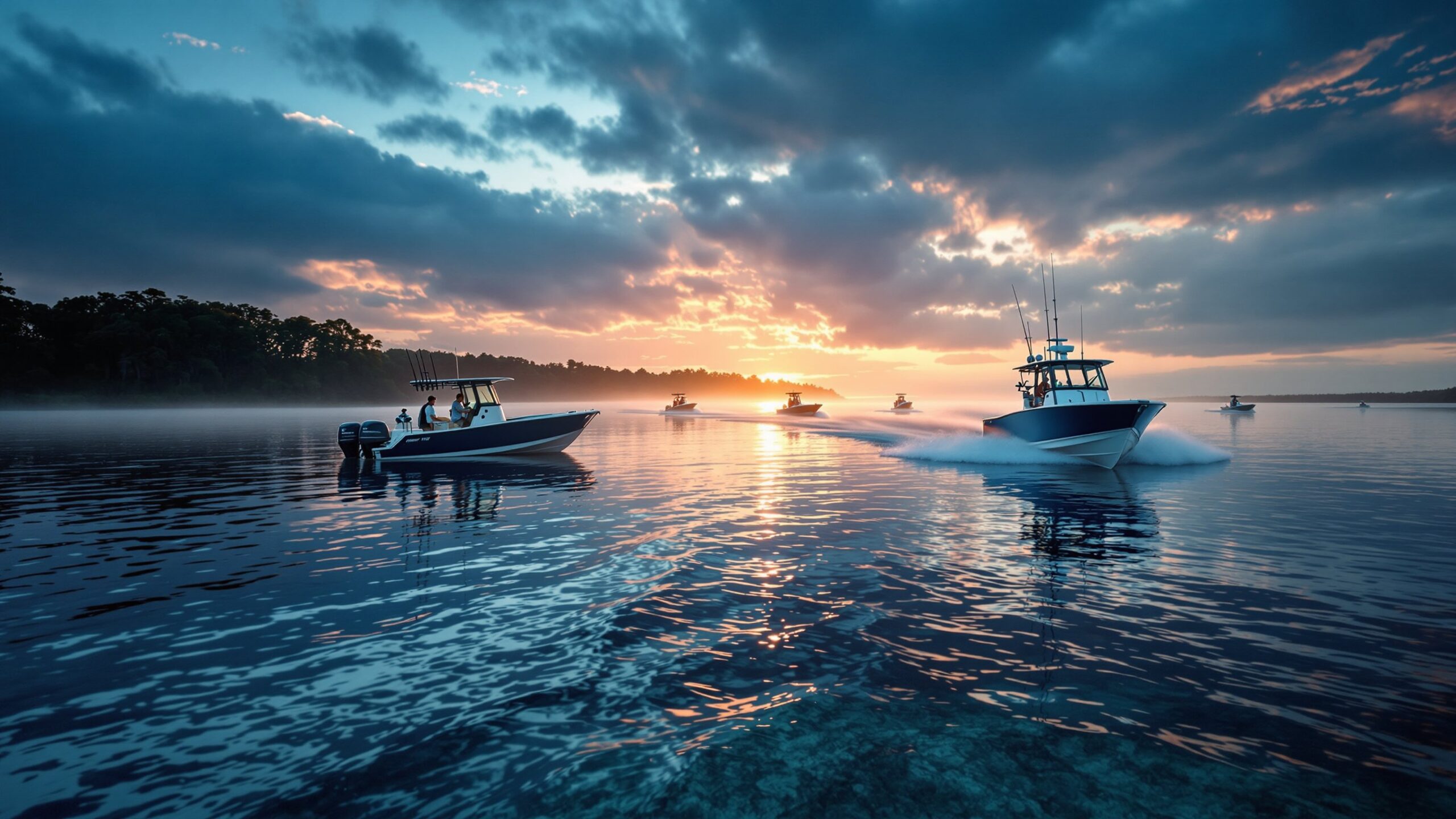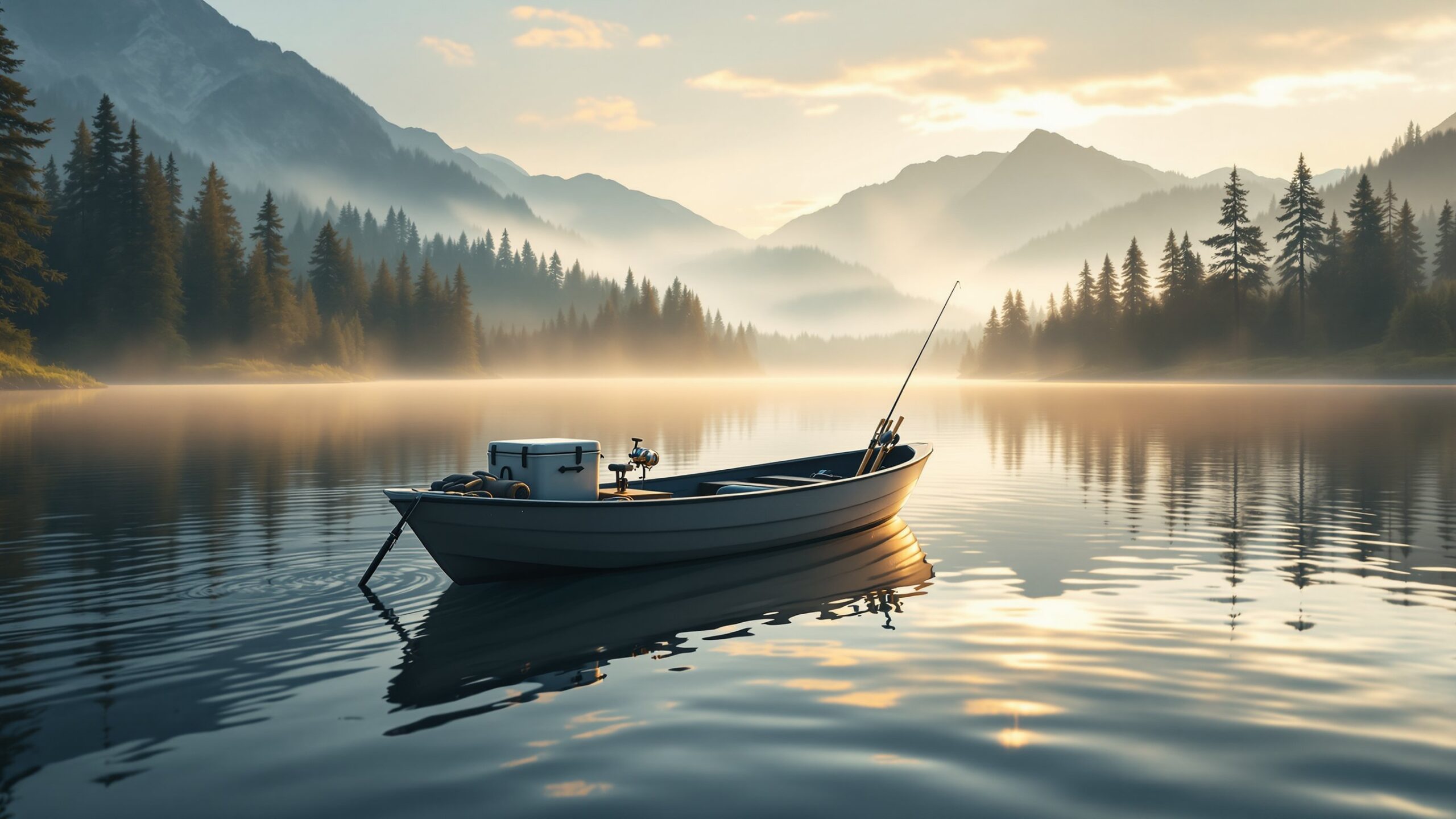
There’s something unforgettable about launching a small fishing boat at sunrise. Mist drifts across the water, the shoreline is quiet, and every cast feels like the beginning of an adventure. Small fishing boats have become one of the most exciting parts of modern angling because they open up waters that larger boats simply can’t reach. From hidden creek channels and winding rivers to calm mountain lakes and secluded ponds, these compact boats deliver freedom, affordability, and a closer connection to the outdoors. For many anglers, the dream isn’t owning a giant offshore vessel with massive engines and luxury cabins. It’s having a reliable, easy-to-launch fishing boat that can handle a weekend escape with minimal hassle. Small fishing boats are easier to tow, cheaper to maintain, and far more versatile than many people realize. Whether you’re chasing bass in shallow coves, drifting for trout in a quiet river bend, or exploring narrow creek systems filled with panfish, the right small boat can completely transform the experience. Modern designs have made these boats more capable than ever before. Aluminum fishing boats, jon boats, skiffs, compact bass boats, inflatable rafts, and micro pontoons now offer impressive stability, smart storage, and advanced fishing technology in compact packages. Many anglers discover that downsizing actually improves their fishing because smaller boats can reach untouched areas where fish experience less pressure.
A: A small aluminum V-hull, jon boat, or compact bass boat works well depending on wind, waves, and storage needs.
A: A jon boat, fishing kayak, canoe, or shallow-draft aluminum boat is usually best for moving or skinny water.
A: Yes, especially wider models on calm water, but narrow jon boats can feel less stable when standing.
A: It depends. Kayaks are quiet and easy to launch, while boats carry more people, gear, and motors.
A: Most solo and two-person anglers do well with boats in the 10–16 foot range.
A: Not always. Kayaks, inflatables, and some small boats can be transported by rooftop, truck bed, or hand launch.
A: Yes, many small boats are ideal for electric trolling motors when properly mounted and powered.
A: A simple aluminum jon boat or basic fishing kayak usually requires the least maintenance.
A: They can be excellent for storage and portability, but they require careful handling around hooks, rocks, and sharp debris.
A: Match the boat to your water, launch access, passenger count, storage space, and fishing style.
Why Small Fishing Boats Are More Popular Than Ever
Small fishing boats have exploded in popularity because they fit modern lifestyles. Not everyone has room for a massive trailer or the budget for expensive marina storage. Many anglers want simplicity. They want a boat they can launch quickly, tow with a midsize SUV, and clean in minutes instead of hours.
Smaller boats are also ideal for freshwater fishing environments. Lakes, rivers, and creeks often reward stealth and maneuverability more than sheer size. Large boats may dominate tournament circuits on giant reservoirs, but smaller water systems often favor compact vessels that can glide into shallow backwaters and tight shoreline pockets.
Affordability is another major reason anglers love compact fishing boats. Entry-level jon boats and aluminum boats are among the most affordable fishing vessels available today. Lower fuel costs, reduced maintenance, and smaller engines make them practical for beginners and experienced anglers alike.
Another major advantage is transportation. Many small boats can be launched by one person. Some can even be loaded into a truck bed or carried by hand. Inflatable fishing rafts and kayaks have made it possible for anglers to access remote water systems without needing a traditional trailer at all.
Jon Boats: The Kings of Shallow Water
Few fishing boats are more iconic than the jon boat. These flat-bottomed aluminum boats are simple, durable, and incredibly versatile. Their lightweight construction and shallow draft make them perfect for rivers, creeks, ponds, and calm lakes.
Jon boats excel in places where larger boats struggle. Anglers can navigate shallow water, slide over muddy bottoms, and reach secluded fishing spots hidden behind vegetation or fallen timber. Their flat bottoms also provide excellent stability for casting and moving around the deck.
For creek fishing and small river systems, jon boats are often the perfect solution. They’re easy to power with small outboard motors or electric trolling motors, and many anglers customize them with casting decks, swivel seats, fish finders, and storage compartments.
One reason jon boats remain so popular is their simplicity. Maintenance is minimal compared to fiberglass boats. Aluminum construction resists corrosion and damage, and many owners can repair minor dents themselves. According to boating experts, jon boats are frequently recommended for beginners because they are affordable, stable, and easy to operate.
The tradeoff is rough-water performance. Flat-bottom hulls can bounce in choppy conditions, making them less comfortable on large windy lakes. But for calm inland waters, few boats match their efficiency and practicality.
Aluminum Fishing Boats: The Ultimate All-Around Option
Aluminum fishing boats strike an impressive balance between toughness and performance. Unlike flat-bottom jon boats, many aluminum fishing boats feature modified V-hulls or deep-V designs that handle waves more smoothly while still maintaining shallow-water capability.
These boats are among the most versatile freshwater fishing platforms available. They work well on medium-sized lakes, rivers, reservoirs, and larger creek systems. Anglers targeting bass, walleye, trout, crappie, and pike often choose aluminum boats because they provide excellent fishability without the high costs associated with fiberglass tournament boats.
Modern aluminum fishing boats often include advanced electronics, livewells, rod storage, and trolling motors. Some compact models offer features once found only in premium bass boats.
Durability is another major selling point. Aluminum hulls can handle impacts from submerged rocks and stumps better than many fiberglass alternatives. This makes them especially attractive for river anglers and those fishing unfamiliar waters.
Because they’re lightweight, aluminum boats also require less horsepower to perform well. That means better fuel economy and easier towing. Many models can be transported with smaller vehicles, making them practical for first-time boat owners.
Compact Bass Boats for Serious Anglers
For anglers focused on bass fishing, compact bass boats provide speed, casting space, and specialized fishing features in smaller packages. Bass boats are specifically designed for freshwater fishing in lakes and rivers, often featuring elevated casting decks, large storage compartments, and trolling motors.
Smaller bass boats usually range between 16 and 18 feet, making them easier to tow and store than tournament-sized models. They still provide enough deck space for serious fishing while remaining manageable for solo anglers.
One of the biggest advantages of compact bass boats is efficiency. These boats allow anglers to cover large areas quickly while maintaining excellent maneuverability in shallow water. Many feature high-performance hulls capable of handling moderate chop on larger lakes.
Technology has become a defining feature of modern bass boats. Even smaller models may include GPS mapping, forward-facing sonar, shallow-water anchors, and integrated electronics systems. For anglers who prioritize bass fishing above everything else, compact bass boats offer a professional-level experience without requiring the budget or storage space of a full-size tournament rig.
Inflatable Fishing Boats and Rafts
Inflatable fishing boats have evolved dramatically in recent years. Today’s designs are rugged, portable, and surprisingly capable. Many anglers now use inflatable boats for rivers, creeks, and hard-to-access lakes where traditional trailers are impractical.
Modern inflatables are made from durable PVC or Hypalon materials designed to withstand abrasion and impacts. Rigid inflatable boats, commonly called RIBs, combine inflatable collars with solid hulls for additional performance and stability.
Inflatable fishing rafts are especially popular for river systems. They can float through shallow rapids, navigate tight channels, and access waters unreachable by standard aluminum boats. Some specialized river fishing rafts are designed specifically for moving water and offer exceptional maneuverability.
Storage and transportation are major advantages. Many inflatable boats can fit in a vehicle trunk or closet when deflated. This makes them ideal for apartment dwellers or anglers without trailer space.
The downside is that inflatables usually offer less speed and storage capacity than rigid boats. However, for portability and creek access, they are incredibly effective.
Canoes and Fishing Kayaks
Although technically different from traditional fishing boats, canoes and fishing kayaks deserve recognition because they dominate small-water fishing environments. They provide unmatched stealth and allow anglers to reach incredibly shallow or narrow waterways.
Fishing kayaks have become one of the fastest-growing segments in the boating industry. Modern models feature pedal drives, fish finders, rod holders, and advanced seating systems. Some are stable enough for standing casts and sight fishing.
Canoes remain popular for river fishing because of their simplicity and cargo capacity. They can carry camping gear, coolers, and multiple anglers while still maintaining shallow-water capability. These small watercraft excel in quiet environments where fish are easily spooked by larger engines. Their low profiles and silent movement make them deadly effective for bass, trout, and panfish.
Small Pontoon Boats for Relaxed Fishing Trips
Pontoon boats may seem oversized for small-water fishing, but compact pontoons are becoming increasingly popular for lakes and slow-moving rivers. Fishing pontoons combine comfort with surprising practicality. Small pontoons provide stable platforms ideal for families, older anglers, or anyone prioritizing comfort. They often include swivel fishing chairs, livewells, shade canopies, and spacious seating arrangements. Their stability makes them excellent for relaxed fishing trips where multiple people want room to move around. Small pontoons are especially popular for crappie fishing, catfishing, and leisurely lake outings. The tradeoff is maneuverability. Pontoon boats are less agile in narrow creek systems and strong currents. But for calm lakes and recreational fishing, they provide an enjoyable blend of comfort and utility.
Choosing the Right Boat for Your Fishing Style
The best small fishing boat depends entirely on where and how you fish. Water conditions, species targeted, transportation needs, and budget all play major roles in the decision.
Anglers fishing shallow creeks and small rivers often benefit most from jon boats or inflatables. These boats handle tight spaces and shallow water with ease. Lake anglers may prefer aluminum boats or compact bass boats that provide better performance in open water.
Storage matters too. If garage space is limited, inflatable boats or small trailers may be the smartest choice. If towing capacity is a concern, lightweight aluminum boats are excellent options because they can often be hauled by smaller vehicles.
Fishing style should also influence the decision. Tournament anglers may prioritize speed and electronics. Casual weekend anglers may prefer comfort and simplicity. Families may want versatile boats capable of both fishing and recreational cruising.
Experts consistently recommend matching boat size to the waterways being used. Smaller boats generally perform best on lakes, rivers, and sheltered freshwater environments.
Essential Features to Look For
Not all small fishing boats are created equal. Smart buyers focus on specific features that improve safety, comfort, and fishability.
Hull design is critical. Flat-bottom hulls provide maximum stability in calm water, while modified V-hulls deliver smoother rides in chop. Understanding where you’ll fish most often helps determine which design works best.
Storage is another important factor. Rod lockers, tackle compartments, and dry storage areas make fishing more organized and enjoyable. Even small boats benefit from efficient layouts. Livewells are valuable for anglers targeting bass or participating in tournaments. Comfortable seating also matters more than many beginners realize, especially during long days on the water.
Electronics have become increasingly important. Fish finders, GPS systems, and trolling motors can dramatically improve fishing success. Many modern compact boats now support advanced electronics once reserved for premium vessels.
Safety should never be overlooked. Stable hulls, reliable flotation, navigation lights, and quality construction are essential for any fishing boat.
The Rise of Minimalist Fishing Adventures
One reason small boats continue to grow in popularity is the rise of minimalist outdoor lifestyles. Many anglers are moving away from oversized equipment and embracing simpler adventures. A compact fishing boat represents freedom without excess. Owners can launch quickly, explore remote waters, and spend more time fishing instead of dealing with complicated maintenance or expensive marina fees. There’s also something deeply personal about small-boat fishing. Anglers feel closer to the water. Every ripple, cast, and fish strike feels more immediate. Small boats encourage exploration and reward curiosity. Some of the best fishing memories happen far from crowded boat ramps and busy marinas. They happen in narrow creek bends, hidden coves, and quiet backwaters where only small boats can reach.
Why Small Fishing Boats Deliver Big Experiences
Small fishing boats prove that bigger isn’t always better. Whether it’s a lightweight jon boat slipping through shallow reeds, an aluminum fishing boat crossing a calm reservoir, or an inflatable raft drifting down a scenic river, these compact vessels create unforgettable outdoor experiences.
They offer affordability, accessibility, and versatility that larger boats often can’t match. More importantly, they reconnect anglers with the simple excitement of fishing itself.
The perfect fishing boat isn’t necessarily the largest or most expensive model on the market. It’s the one that gets you on the water consistently, safely, and comfortably. For countless anglers across lakes, rivers, and creeks, small fishing boats accomplish exactly that.
As technology continues to improve and designs become even more refined, the future of small fishing boats looks brighter than ever. These compact machines are helping a new generation of anglers discover hidden waters, chase new species, and experience the thrill of fishing in its purest form.