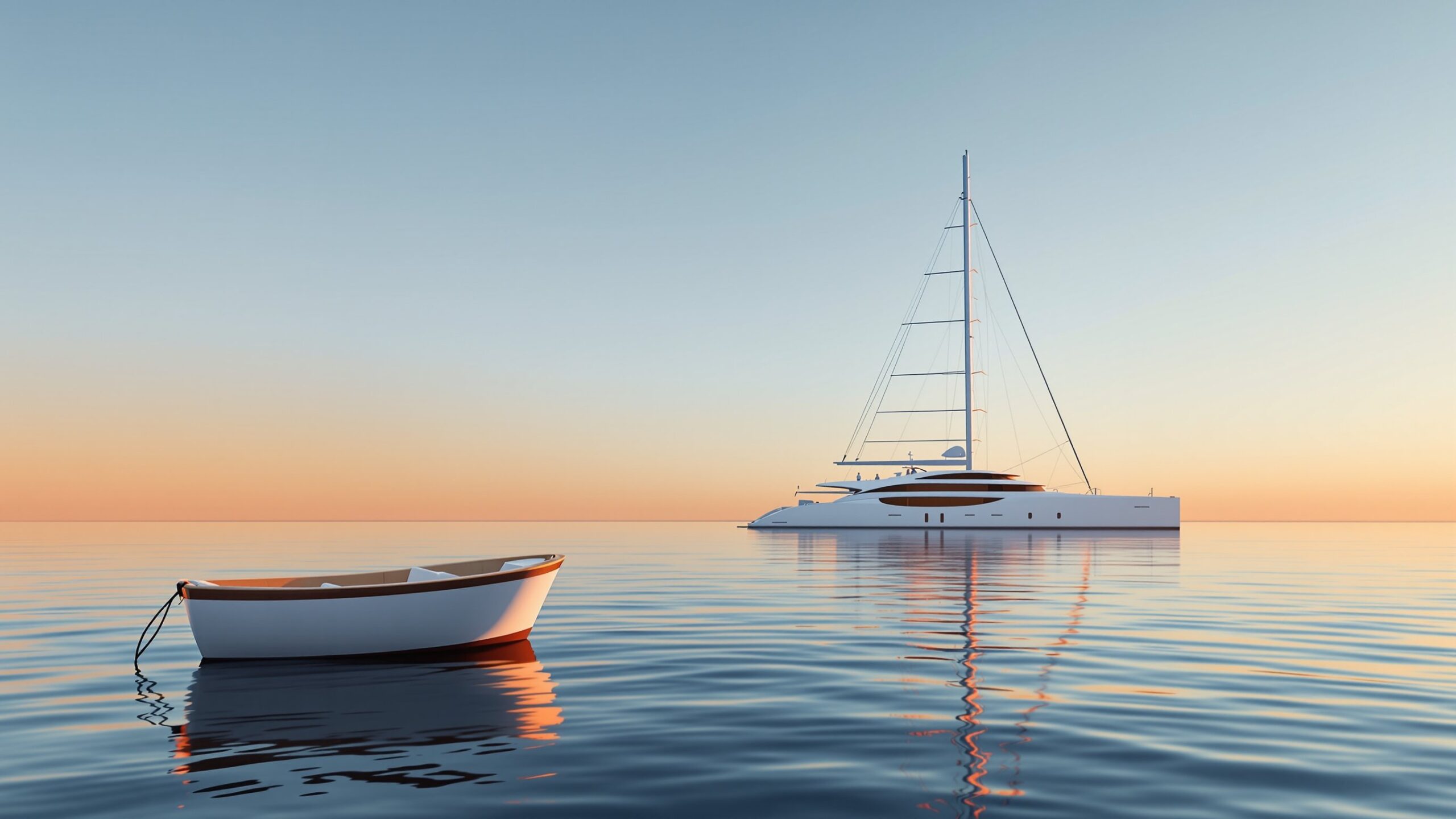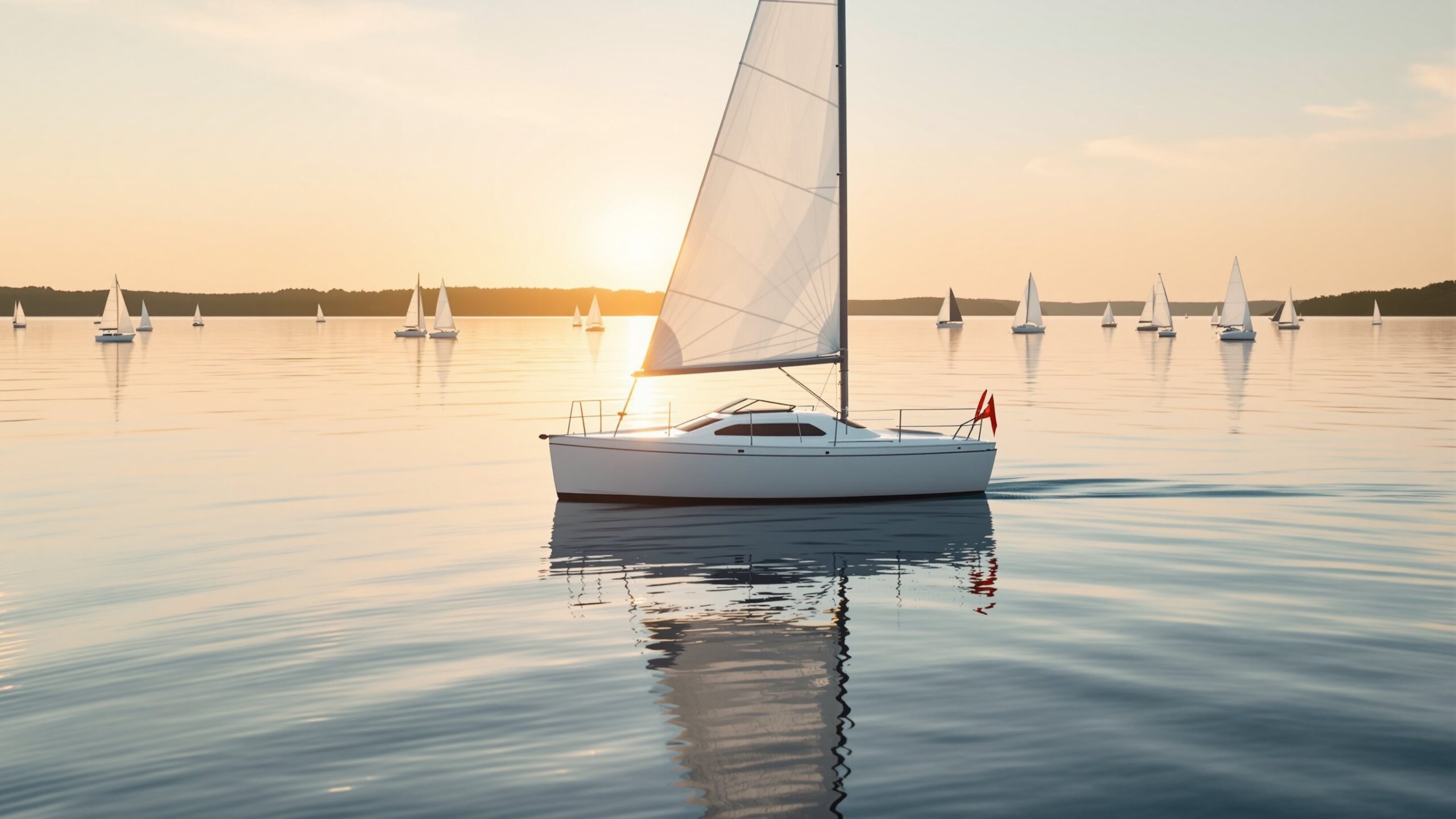
Sailboats have captivated human imagination for centuries, offering a unique blend of adventure, freedom, and harmony with nature. Whether skimming across a quiet lake or crossing vast oceans, sailboats come in a remarkable variety of shapes and sizes, each designed for specific conditions and sailing experiences. Understanding the different types of sailboats is essential for anyone looking to enter the world of sailing, upgrade their vessel, or simply deepen their appreciation for maritime craftsmanship. This guide explores the full spectrum of sailboats—from nimble dinghies to luxurious ocean-going yachts—breaking down their designs, purposes, and what makes each one special. By the end, you’ll have a clear understanding of which type of sailboat aligns with your goals, lifestyle, and sense of adventure.
A: A small dinghy or simple daysailer is often best because feedback is immediate and systems are minimal.
A: A dinghy is small and simple, while a yacht is larger, more comfortable, and often built for longer trips.
A: They can be, especially because they sail flatter, but larger models require docking and systems knowledge.
A: A keelboat has a weighted keel that improves stability and helps the boat resist sideways drift.
A: Some small boats have crossed oceans, but true offshore sailing requires careful design, preparation, and experience.
A: Dinghies, daysailers, trailerable cruisers, and small keelboats are common lake choices.
A: A cruising sailboat is designed for comfort, storage, overnight stays, and longer-distance travel.
A: A racing sailboat is optimized for speed, handling, sail control, and efficient hull performance.
A: Not always; modern systems help, but larger boats still require more planning, maintenance, and docking skill.
A: Avoid buying too much boat too soon; start with something manageable, safe, and suited to local waters.
What Defines a Sailboat?
At its core, a sailboat is a vessel propelled primarily by wind power acting on sails. Unlike motorboats, sailboats rely on aerodynamic forces, making them quieter, more environmentally friendly, and deeply connected to natural elements. The defining characteristics of sailboats include a hull, mast, sails, rigging, and keel or centerboard.
Sailboats are generally categorized based on size, hull configuration, rigging style, and intended use. Some are designed for speed and racing, others for comfort and long-distance cruising, while many strike a balance between the two. Understanding these categories helps clarify why a small dinghy feels entirely different from a bluewater yacht, even though both harness the same wind.
Dinghies: Small Boats, Big Experiences
Dinghies are the smallest and simplest type of sailboats, typically ranging from 8 to 15 feet in length. They are often the first boats beginners learn on, thanks to their straightforward design and responsiveness. Most dinghies are lightweight, easy to transport, and can be launched directly from a beach or ramp without the need for a marina.
What makes dinghies truly special is their immediacy. Every shift in wind or movement of the sailor directly affects the boat’s performance. This creates an engaging and hands-on sailing experience that teaches fundamental skills quickly. Popular dinghies like the Laser and Sunfish are widely used in sailing schools and competitions around the world.
Despite their simplicity, dinghies can be exhilarating. They are capable of impressive speeds and agile maneuvers, especially in the hands of skilled sailors. However, they offer minimal protection from the elements and are not designed for long-distance travel or overnight stays.
Day Sailers: Comfort Meets Simplicity
Day sailers bridge the gap between dinghies and larger cruising boats. Typically measuring between 15 and 25 feet, these boats are designed for short trips and relaxed outings on lakes, bays, or coastal waters. They offer more stability than dinghies, often featuring a fixed keel or weighted centerboard.
One of the defining features of a day sailer is its spacious cockpit, which provides comfortable seating for several passengers. Some models include small cabins for storage or basic shelter, though they are not intended for extended overnight use.
Day sailers are perfect for casual sailors who want an easy-to-handle boat without sacrificing comfort. They are also popular among families and recreational sailors who enjoy leisurely afternoons on the water without the complexity of larger vessels.
Catamarans: Stability and Speed
Catamarans are easily recognized by their twin-hull design, which sets them apart from traditional single-hull sailboats. This configuration provides exceptional stability, reducing the likelihood of heeling (tilting) and making them a favorite among those prone to seasickness.
Ranging from small recreational models to large luxury vessels, catamarans are known for their speed and efficiency. The wide beam creates ample deck space, allowing for expansive living areas, multiple cabins, and panoramic views. This makes them especially popular for charter vacations and liveaboard lifestyles.
Another advantage of catamarans is their shallow draft, which allows them to access areas that deeper-keeled boats cannot. However, they can be more challenging to maneuver in tight marinas and may come with higher costs compared to similarly sized monohulls.
Monohulls: The Classic Sailboat Design
Monohulls are the traditional single-hull sailboats that most people envision when they think of sailing. They come in a wide range of sizes and styles, from small coastal cruisers to large ocean-crossing vessels.
One of the defining characteristics of monohulls is their ability to heel under wind pressure. While this may feel unsettling to beginners, it is a natural and efficient part of sailing that enhances performance and stability. The keel beneath the hull provides counterbalance, allowing the boat to right itself.
Monohulls are often praised for their seaworthiness and ability to handle rough conditions. They tend to offer a more “authentic” sailing experience, with a closer connection to the water and wind. Additionally, they are generally easier to dock and more widely available in marinas around the world.
Cruising Sailboats: Designed for the Journey
Cruising sailboats are built with comfort and endurance in mind. These vessels are designed for extended voyages, whether it’s a weekend getaway or a multi-year journey around the globe. They typically range from 30 to 50 feet or more and include amenities such as sleeping quarters, kitchens (galleys), bathrooms (heads), and navigation systems.
The layout of a cruising sailboat is carefully planned to maximize livability. Storage space, safety features, and ease of handling are all key considerations. Many cruising boats are equipped with advanced electronics, autopilots, and renewable energy systems like solar panels.
Cruising sailboats can be monohulls or catamarans, each offering distinct advantages. Monohulls are often favored for their performance in rough seas, while catamarans provide greater comfort and space. Ultimately, the choice depends on the sailor’s priorities and intended routes.
Racing Sailboats: Built for Speed
Racing sailboats are engineered for one primary purpose: speed. These boats are lightweight, aerodynamic, and equipped with high-performance sails and rigging. Every aspect of their design is optimized to reduce drag and maximize efficiency.
From small one-design dinghies to cutting-edge offshore racers, racing sailboats come in many forms. Some feature advanced technologies like hydrofoils, which lift the hull above the water to reduce resistance and achieve incredible speeds.
While racing sailboats can be thrilling, they often sacrifice comfort for performance. Interiors are minimal or nonexistent, and handling them requires skill, coordination, and a competitive mindset. For those drawn to the adrenaline of competition, however, racing sailboats offer an unmatched experience.
Bluewater Sailboats: Masters of the Open Ocean
Bluewater sailboats are built for offshore sailing and long-distance ocean crossings. These vessels are designed to withstand harsh conditions, including strong winds, large waves, and extended periods at sea.
Typically larger and more robust than coastal cruisers, bluewater boats feature heavy displacement hulls, deep keels, and reinforced structures. Safety is paramount, with features such as watertight compartments, storm sails, and redundant systems.
Life aboard a bluewater sailboat requires careful planning and self-sufficiency. These boats are equipped for long-term living, with ample storage for food, water, and supplies. For adventurous sailors seeking to explore remote destinations, bluewater sailboats are the ultimate choice.
Yachts: Luxury on the Water
The term “yacht” often evokes images of luxury, elegance, and exclusivity. In sailing, yachts generally refer to larger, well-appointed vessels designed for comfort, style, and extended travel. While there is no strict size definition, sailing yachts typically start around 40 feet and can exceed 100 feet or more.
Modern sailing yachts combine advanced engineering with high-end amenities. Interiors may include multiple cabins, spacious lounges, gourmet kitchens, and even entertainment systems. Some yachts are operated by professional crews, offering a fully serviced experience.
Despite their luxury, sailing yachts remain true to the principles of wind-powered travel. They provide a unique blend of performance and comfort, allowing owners and guests to explore the world’s oceans in style.
Specialty Sailboats: Unique Designs for Unique Needs
Beyond the main categories, there are numerous specialty sailboats designed for specific purposes and environments. Trimarans, for example, feature three hulls and offer a balance of speed and stability. Iceboats glide across frozen surfaces using sails, while land yachts harness wind power to race across deserts and beaches.
Traditional wooden sailboats, often restored or custom-built, celebrate maritime heritage and craftsmanship. These vessels may not match modern boats in performance, but they offer a timeless aesthetic and a deep connection to sailing history.
Specialty sailboats highlight the versatility and creativity of sailing design. They demonstrate that sailing is not limited to oceans and lakes but can adapt to a wide range of conditions and pursuits.
Choosing the Right Sailboat for You
Selecting the right sailboat depends on several factors, including your experience level, budget, intended use, and personal preferences. Beginners often start with dinghies or small day sailers to build foundational skills. As confidence grows, many sailors transition to cruising boats or explore specialized options like catamarans or racing vessels.
It’s important to consider where you plan to sail. Inland lakes, coastal waters, and open oceans each present different challenges and opportunities. Storage, maintenance, and docking arrangements also play a role in determining the best fit.
Ultimately, the right sailboat is one that aligns with your vision of sailing. Whether you’re seeking quiet moments on the water, thrilling races, or global adventures, there is a sailboat designed to bring that vision to life.
The Enduring Appeal of Sailboats
Sailboats represent more than just a mode of transportation—they embody a lifestyle rooted in exploration, skill, and respect for nature. From the simplicity of a dinghy to the grandeur of a luxury yacht, each type of sailboat offers a distinct experience that resonates with different sailors.
As technology continues to evolve, sailboats are becoming more efficient, sustainable, and accessible. Yet the essence of sailing remains unchanged: harnessing the wind to journey across water, guided by knowledge, intuition, and a spirit of adventure.
Understanding the various types of sailboats is the first step toward finding your place in this timeless tradition. Whether you’re drawn to the thrill of speed, the comfort of cruising, or the romance of the open sea, the world of sailboats awaits with endless possibilities.