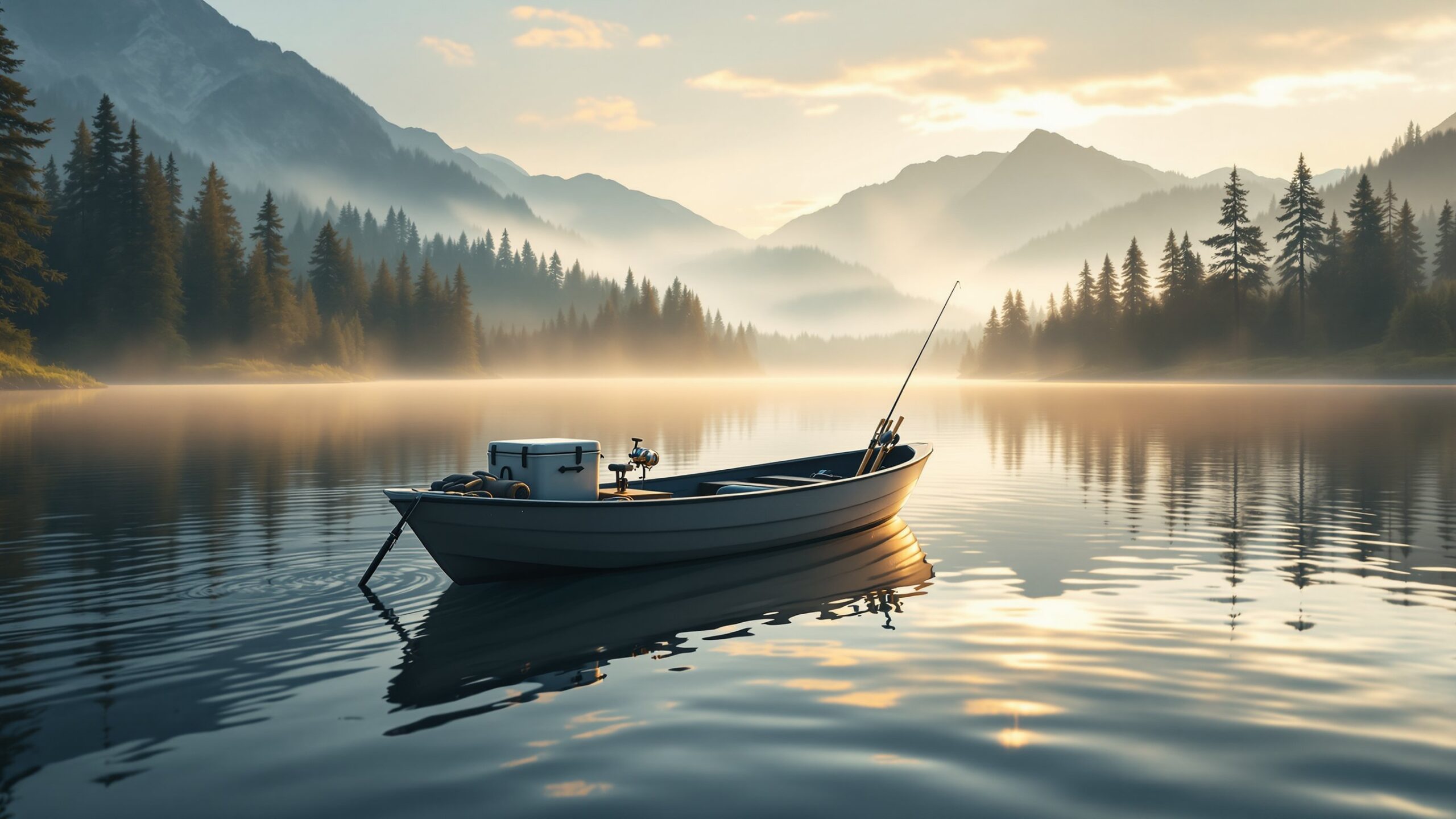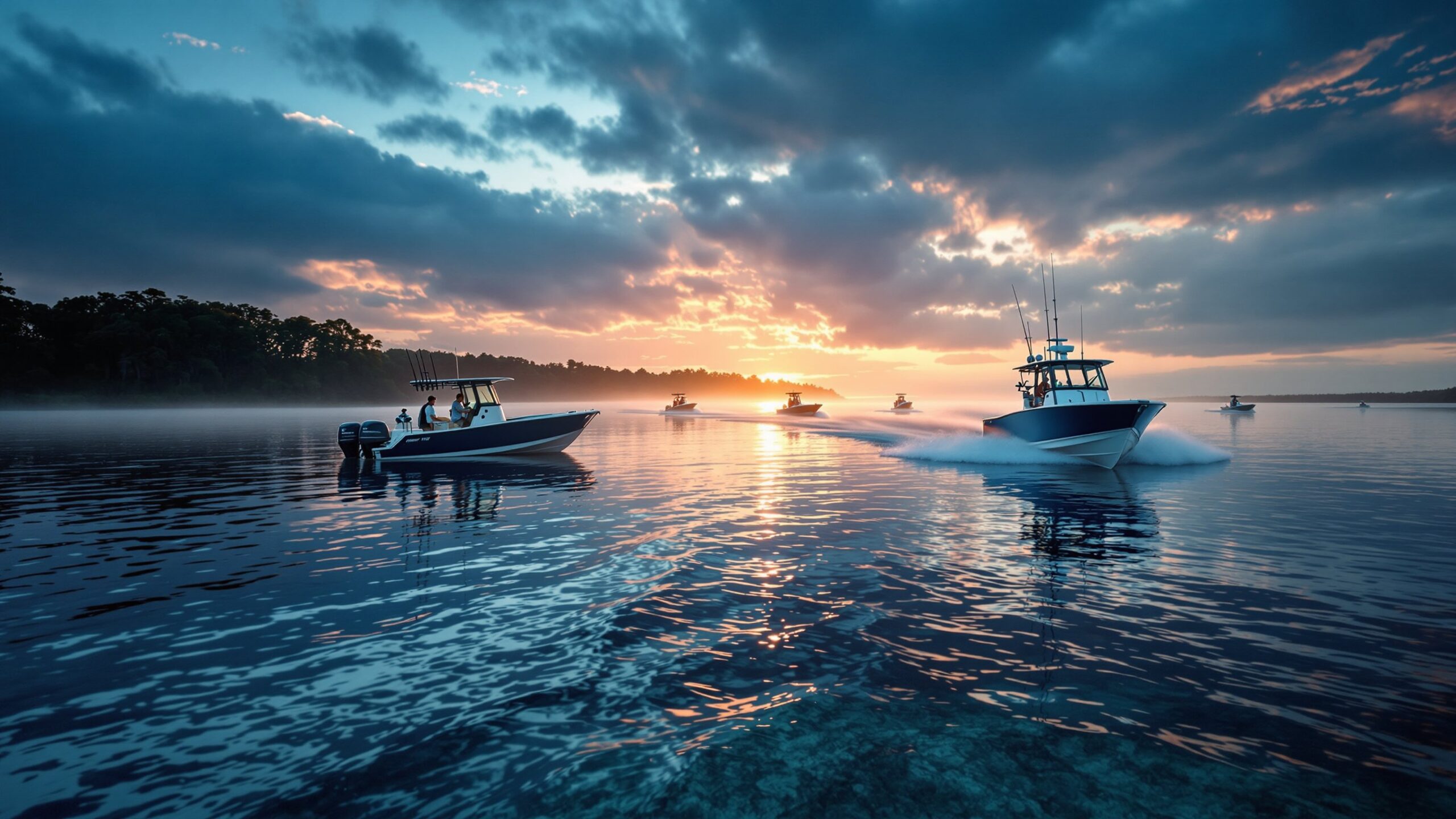
Fishing is more than a hobby for many people. It is adventure, relaxation, competition, and escape all rolled into one experience. But one of the biggest decisions any angler faces has nothing to do with rods, bait, or electronics. It starts with the boat itself. The type of fishing boat you choose can completely shape your time on the water, influencing where you can fish, how comfortable you are, how many people you can bring, and even the species you target. Modern fishing boats come in an incredible variety of styles, sizes, and layouts. Some are designed for shallow freshwater lakes filled with bass, while others are built to battle giant offshore tuna in rough ocean conditions. Certain boats prioritize speed and agility, while others focus on comfort, storage, and all-day cruising ability. Choosing the right fishing boat is not simply about buying the biggest or most expensive option. It is about finding the perfect match for your fishing style, lifestyle, budget, and local waters. Understanding the different categories of fishing boats can save you thousands of dollars, countless frustrations, and years of using a boat that does not fit your needs. Whether you are a beginner buying your first vessel or an experienced angler considering an upgrade, knowing the strengths and weaknesses of each boat type is essential.
A: A simple aluminum boat, jon boat, or small center console is often easiest to learn, maintain, and afford.
A: A bass boat is purpose-built for casting, speed, shallow freshwater access, and organized tackle storage.
A: Yes, bay boats and some center consoles can handle both if properly equipped and maintained.
A: Yes, especially for families, calm lakes, relaxed fishing, and anglers who want comfort and space.
A: Match size to your water conditions, passenger count, storage needs, towing setup, and target species.
A: Aluminum is lighter and rugged; fiberglass usually offers a smoother ride, more style, and better rough-water comfort.
A: A deep-V hull with adequate freeboard and reliable power is generally better for chop and open water.
A: If you cast often, fish structure, or need quiet boat control, a trolling motor is extremely useful.
A: Inspect the hull, engine hours, transom, wiring, trailer, electronics, maintenance records, and water-test performance.
A: Choose based on where you fish most, how many people come along, what you target, and how much upkeep you can handle.
Why Fishing Boat Choice Matters More Than Most People Think
Many first-time buyers underestimate how specialized fishing boats have become. A boat that performs perfectly on a calm inland lake may feel unsafe offshore in ocean swells. Likewise, a massive deep-sea fishing boat can become impractical and frustrating on smaller rivers or shallow backwaters.
The right fishing boat affects nearly every part of your experience. Stability impacts comfort and safety. Hull design changes fuel efficiency and ride quality. Deck layout determines how easily you can cast, store gear, or move around during a fight with a fish. Even the boat’s draft — how deep it sits in the water — influences where you can travel.
People often discover too late that they bought a boat for the fantasy version of their fishing life rather than their real habits. Someone imagining offshore adventures may realistically spend most weekends on nearby lakes. Another buyer may underestimate how often family members want comfortable seating and shade instead of hardcore fishing setups.
That is why learning the major fishing boat categories before purchasing is so important.
Bass Boats: Built for Speed and Freshwater Precision
Bass boats are among the most recognizable fishing boats in America. Designed specifically for freshwater bass fishing tournaments and recreational anglers, these sleek, low-profile boats are engineered for speed, maneuverability, and casting efficiency.
Most bass boats range between 17 and 22 feet long and feature fiberglass hulls with powerful outboard motors capable of high speeds. Many tournament-grade bass boats can exceed 70 miles per hour, allowing anglers to quickly move between fishing spots during competitions.
The front and rear casting decks are one of the defining characteristics of bass boats. These elevated platforms provide wide-open spaces for casting and fighting fish. Storage compartments are integrated throughout the deck, offering dedicated areas for rods, tackle, electronics, and livewells.
Bass boats perform best on lakes, reservoirs, and calm inland waterways. Their shallow draft allows access to areas larger boats cannot reach. Modern models are also packed with advanced fish-finding technology, trolling motors, GPS systems, and sonar imaging.
However, bass boats are highly specialized. Their low sides and lightweight construction make them less ideal for rough water or ocean use. Seating is often limited, and comfort takes a backseat to fishing performance. For serious freshwater anglers targeting bass, though, few boats are more effective.
Center Console Boats: The Ultimate Versatile Fishing Machine
If there is one fishing boat category that has exploded in popularity over the last two decades, it is the center console boat. These versatile vessels dominate coastal waters and are increasingly common on large lakes as well.
A center console boat features a steering station located in the middle of the vessel, allowing anglers to walk completely around the perimeter of the boat. This 360-degree fishability makes them incredibly popular for offshore and inshore fishing alike.
Center consoles range from compact 18-foot models to massive luxury offshore boats exceeding 40 feet in length. Most feature open deck layouts, multiple rod holders, livewells, insulated fish boxes, and advanced navigation electronics.
One of the biggest strengths of center console boats is versatility. They can handle offshore tuna trips, inshore redfish excursions, family cruising, sandbar visits, and watersports all in the same package. Their deep-V hulls provide excellent performance in rough water, especially offshore.
Because the helm sits in the center, these boats also maximize usable fishing space. Anglers can easily fight large fish around the entire boat without obstacles getting in the way.
The downside is exposure to the elements. While many models include T-tops or hardtops for shade, passengers are generally more exposed to wind, spray, rain, and sun compared to cabin boats. Fuel costs can also become significant with larger offshore models.
Still, for buyers seeking a highly capable all-around fishing platform, center consoles are difficult to beat.
Jon Boats: Affordable Simplicity for Shallow Water Fishing
Jon boats are among the simplest and most affordable fishing boats available, but their simplicity is exactly what makes them so effective.
Typically constructed from aluminum, jon boats feature flat bottoms, squared-off bows, and lightweight designs ideal for calm, shallow waters. They are commonly used on ponds, rivers, marshes, and small lakes where maneuverability matters more than speed or luxury.
One of the biggest advantages of jon boats is accessibility. They are relatively inexpensive, easy to tow, easy to store, and inexpensive to maintain. Many can be powered by small outboard motors, electric trolling motors, or even paddles.
Hunters and anglers especially appreciate jon boats for accessing remote areas where larger boats cannot operate. Their shallow draft allows them to glide through skinny water, flooded timber, and marsh environments with ease.
Modern jon boats can also be heavily customized with casting decks, storage compartments, fish finders, and swivel seats. Some anglers transform them into highly specialized fishing rigs.
However, flat-bottom jon boats do not handle rough water well. Their ride becomes uncomfortable and potentially unsafe in heavy chop or large open-water conditions. Stability is excellent at rest but less forgiving at higher speeds.
For casual anglers, budget-conscious buyers, or people fishing shallow freshwater environments, jon boats remain one of the smartest choices available.
Bay Boats: Designed for Coastal Fishing Adventures
Bay boats occupy the middle ground between flats boats and offshore center consoles. They are designed specifically for fishing coastal bays, estuaries, and nearshore waters while maintaining enough capability for occasional offshore trips in good weather.
These boats usually range from 18 to 26 feet long and feature shallow drafts combined with higher sides than flats boats. This balance allows them to handle moderate chop while still accessing relatively shallow fishing grounds.
Bay boats are especially popular along the Gulf Coast and Atlantic coastlines. They excel at targeting species like redfish, snook, trout, tarpon, and flounder.
The elevated casting platforms, open layouts, and multiple livewells make them ideal for sight fishing and active casting techniques. At the same time, deeper hull designs provide improved comfort and safety compared to ultra-shallow flats skiffs.
Many anglers appreciate bay boats because they can serve multiple purposes. They are capable enough for serious fishing while still functioning as recreational family boats. Although bay boats can venture offshore in calm conditions, they are not designed for extended deep-sea fishing in heavy seas. Offshore capability depends heavily on size, hull design, and weather conditions.
Flats Boats: Masters of Ultra-Shallow Water
Flats boats are purpose-built machines designed for one thing: navigating extremely shallow coastal waters with precision and stealth.
These sleek boats often operate in water only inches deep, making them ideal for targeting species like bonefish, redfish, permit, and tarpon on shallow flats. Their lightweight hulls and minimal draft allow access to fishing grounds that would strand larger vessels.
Most flats boats feature wide casting decks, polling platforms, and quiet propulsion systems. Serious flats anglers often use push poles rather than motors to silently approach spooky fish in clear water.
The design prioritizes stealth, visibility, and shallow-water performance over comfort or rough-water capability. These boats are typically narrower and lighter than bay boats, which can create rougher rides in choppy conditions.
Flats boats are highly specialized tools. They are exceptional for sight fishing and shallow coastal environments but far less practical for offshore use, family cruising, or rough water operation. For anglers passionate about technical shallow-water fishing, however, flats boats deliver an experience unlike any other vessel.
Pontoon Fishing Boats: Comfort Meets Relaxed Fishing
Pontoon boats have evolved dramatically over the years. Once considered slow recreational party boats, many modern pontoons are now serious fishing platforms with impressive versatility.
Fishing pontoons combine the spacious layout and comfort of traditional pontoon boats with dedicated angling features like rod holders, livewells, fish finders, and fishing chairs.
Their greatest advantage is comfort and space. Families love pontoons because they provide roomy seating, shade options, stable platforms, and easy movement around the boat. Multiple passengers can fish comfortably without feeling crowded.
The twin or triple tube design also creates exceptional stability, making pontoon boats ideal for relaxed fishing experiences on calm lakes and reservoirs. Modern high-performance pontoons are significantly faster than older models, with some capable of impressive speeds using large outboard motors.
Still, pontoons are not designed for rough offshore waters or high-performance fishing conditions. Wind can also affect handling more than traditional hull boats. For casual anglers, families, and social fishing trips, however, few boats match the comfort and usability of a fishing pontoon.
Walkaround Boats: Offshore Capability with Cabin Comfort
Walkaround boats blend fishing functionality with cabin protection, making them popular among anglers who prioritize comfort and overnight capability. These boats feature enclosed or semi-enclosed cabins with narrow walkways leading to the bow. The cabin offers protection from weather, sleeping space, storage, and sometimes small kitchens or bathrooms.
Walkaround boats are commonly used for offshore fishing because they provide a safer and more comfortable experience during long trips. The deeper hulls handle rough water well, and the enclosed spaces allow passengers to escape harsh weather conditions.
Families also appreciate the versatility. A walkaround can function as both a fishing platform and a weekend cruising boat. The tradeoff is reduced deck space compared to open center consoles. Fishing mobility around the boat is somewhat more limited, especially during intense fights with large fish.
Still, for anglers seeking a balance between hardcore fishing and boating comfort, walkaround boats are an attractive option.
Cabin Cruisers and Sportfishing Yachts
At the high end of the fishing world sit cabin cruisers and dedicated sportfishing yachts. These large vessels are designed for serious offshore adventures, luxury, and long-distance travel.
Sportfishing boats often include multiple sleeping cabins, kitchens, bathrooms, advanced electronics, tuna towers, outriggers, and enormous fuel capacity. They are built to handle challenging offshore conditions while targeting large pelagic species like marlin, sailfish, tuna, and mahi-mahi.
These boats offer incredible comfort and range but come with substantial costs. Fuel consumption, maintenance, dock fees, insurance, and storage can become extremely expensive. Operating large offshore boats also requires skill and experience. Weather planning, navigation, and safety considerations become far more complex. For passionate offshore anglers with the budget and commitment, however, few experiences rival the power and luxury of a true sportfishing yacht.
Aluminum Fishing Boats: Lightweight and Practical
Aluminum fishing boats deserve their own category because they span multiple fishing styles while offering unique advantages. Aluminum boats are lightweight, durable, corrosion-resistant, and generally less expensive than fiberglass boats. They are popular in freshwater environments and widely used for multi-species fishing. Because aluminum boats weigh less, they are easier to tow and more fuel efficient. Their durability also makes them ideal for rocky rivers, shallow lakes, and rugged conditions where fiberglass damage is a concern.
Modern aluminum fishing boats come in many forms, including bass boats, deep-V boats, and utility boats. Many newer models include premium seating, electronics, livewells, and advanced layouts rivaling fiberglass competitors. The primary downside is ride quality. Aluminum hulls can produce rougher rides and more hull noise compared to fiberglass boats, particularly in choppy conditions. Still, their practicality and affordability continue to make them extremely popular among anglers of all skill levels.
How to Choose the Right Fishing Boat for Your Lifestyle
Choosing the right fishing boat starts with honesty about how you actually fish. Think carefully about where you spend most of your time on the water. Consider how many people usually join you. Evaluate whether comfort, speed, shallow access, offshore capability, or versatility matters most. Storage and towing are also critical considerations. A massive offshore boat may sound exciting until you realize your vehicle cannot tow it or your driveway cannot store it. Maintenance costs, insurance, fuel consumption, and marina fees should also factor into your decision.
Beginners often benefit from versatile boats that allow them to explore multiple fishing styles before specializing. More experienced anglers may prefer highly specialized boats tailored to their exact needs. It is also important to think long term. Buying slightly larger or more capable than your immediate needs can prevent expensive upgrades later. At the same time, oversized boats can create unnecessary costs and complications. Test drives are essential whenever possible. Two boats that look similar online may feel completely different on the water.
The Future of Fishing Boats
Fishing boats continue evolving rapidly thanks to technology, materials, and changing consumer expectations. Modern boats now feature touchscreen electronics, integrated GPS mapping, advanced sonar imaging, electric propulsion systems, joystick controls, and even autonomous assistance technologies.
Manufacturers are also focusing more heavily on multi-purpose versatility. Many buyers want boats capable of fishing, cruising, entertaining, and watersports all in one package.
Environmental concerns are driving interest in quieter engines, fuel-efficient hulls, and electric-powered systems. Meanwhile, luxury features once reserved for high-end yachts are appearing in mid-range fishing boats. As innovation continues, anglers have more choices than ever before.
Finding the Boat That Fits Your Fishing Dreams
The perfect fishing boat is not necessarily the biggest, fastest, or most expensive option. It is the boat that fits your waters, your fishing style, your family, and your goals.
Some anglers will fall in love with the speed and precision of a bass boat. Others may prefer the all-around versatility of a center console or the laid-back comfort of a pontoon. Offshore adventurers may dream of sportfishing yachts, while shallow-water enthusiasts chase redfish from ultra-skinny flats skiffs.
Every boat category exists because different fishing environments demand different tools. Understanding those differences helps you make smarter decisions and enjoy more successful days on the water. When you choose the right fishing boat, every launch ramp becomes the beginning of a new adventure.