Practice Until the Crew Can Perform the Task Together
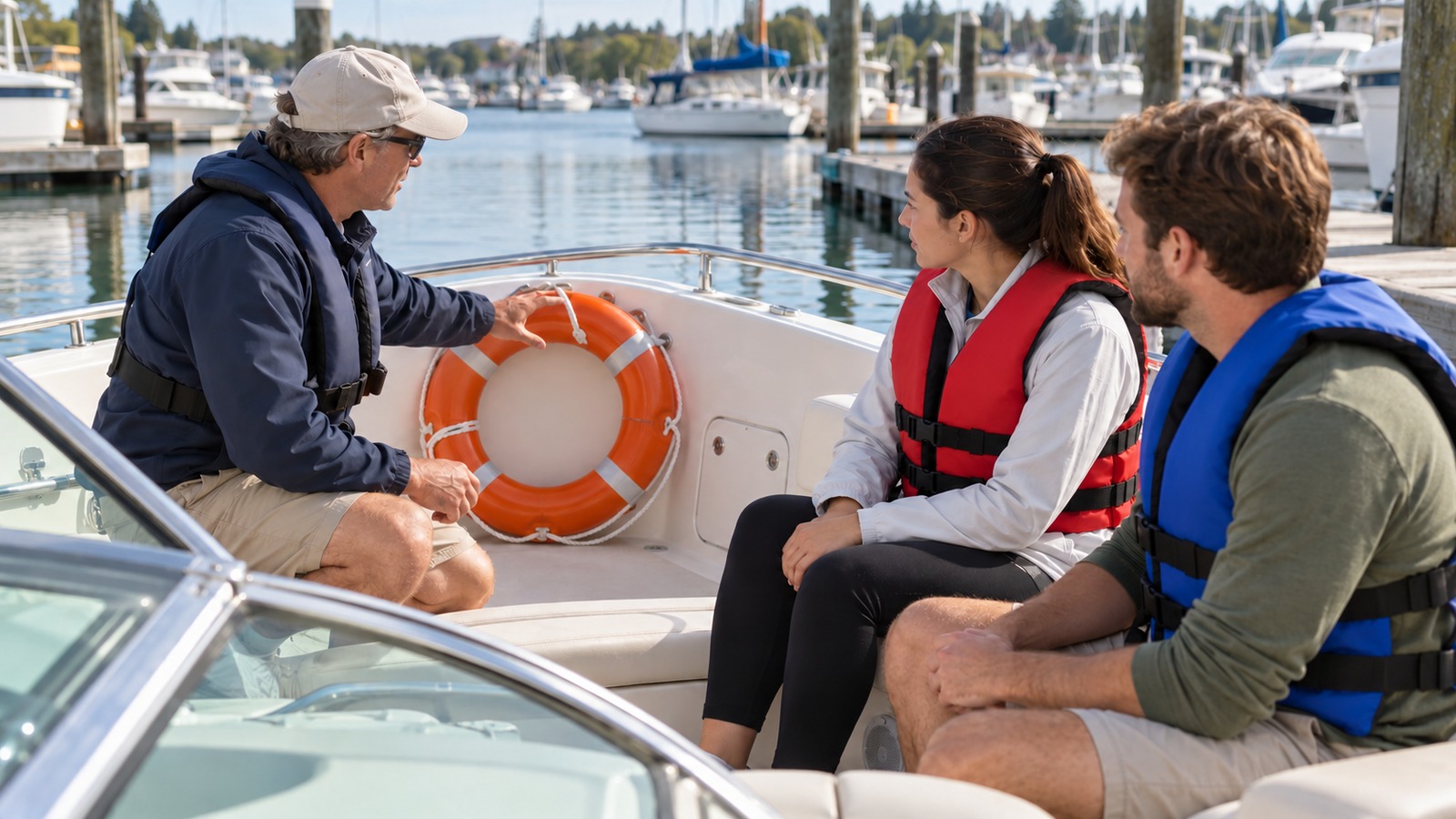
Knowing where the life ring is stored is different from being able to reach it, explain the plan, and keep control of the boat when attention is divided. Essential seamanship skills connect knowledge with coordinated action. They can be developed through controlled exercises that have a clear purpose, safe conditions, and an observable result. This guide focuses on practical readiness for recreational crews rather than a list of impressive maneuvers. Use qualified instruction for handling and emergency training, respect the boat’s operating limits, and keep exercises from becoming real incidents. A successful drill leaves the crew with a clearer method and a specific improvement to make, while preserving the safety of everyone aboard and other waterway users.
A: Evaluate safe method and understanding before speed.
A: Use appropriate training or test procedures instead.
A: Handling needs suitable supervised physical practice.
A: Its load path and purpose must be understood.
A: Position, immediate hazards, next leg, and uncertainty.
A: Report problems and respect competence limits.
A: Roles and understanding need a fresh briefing.
A: Training should not create unnecessary water exposure.
A: Use specific observations and an actionable correction.
A: Increase demands gradually after dependable performance.
Choose a Training Task With a Clear End Point
Define what the crew should be able to do before starting the exercise. For a departure briefing, the outcome might be that each person can identify their role and the operator’s stop instruction. For a navigation check, it might be an independently explained position supported by suitable observations. Avoid vague aims such as becoming better boaters during an already busy outing. One narrow task is easier to teach, observe, and review. Tell participants whether the exercise is a discussion, an unloaded equipment practice, or an actual maneuver under qualified supervision.
Choose suitable space, weather, traffic, and depth. Set an immediate stop instruction and explain who remains responsible for operating the boat. Keep training difficulty within the vessel and crew’s actual ability. A drill should not distract the operator from a developing hazard or obstruct other boats. If the setting changes, end or postpone the exercise. The skill being taught includes recognizing when the learning environment is no longer appropriate. Clear boundaries help people concentrate without feeling that they must finish the task regardless of what happens around them.
Prepare equipment without creating a live emergency. Use approved training methods and suitable practice objects where an instructor recommends them. Do not place a person in the water simply to make a recovery exercise realistic. Do not transmit a false distress alert or rely on a real emergency function for practice. Learn the equipment’s proper demonstration or test process. The purpose is to understand a response while preserving the difference between a simulated event and the real signal that summons assistance.
Build a Lookout Habit That Survives Distraction
Practice observing the whole operating area, including traffic approaching from behind, floating objects, swimmers where relevant, and changes near the route. Sight and hearing remain important alongside appropriate available equipment. Ask a competent instructor to help identify the observations needed for the local situation. Keep the exercise grounded in actual boat control. A person staring at a display while reciting rules has not demonstrated effective awareness. The useful result is a crew who can recognize a developing concern and communicate it early enough for the operator to assess it.
Use concise reports that identify location and movement. A call about a vessel crossing ahead is more useful when the operator knows which vessel and what it is doing. Avoid several people shouting conflicting commands. Establish how concerns are reported and who makes the control decisions. Check understanding without requiring complicated terminology from inexperienced guests. Repeat important observations when the situation changes. Clear communication is a practical seamanship skill because information that never reaches the operator cannot help the boat avoid a problem.
Demonstrate Controlled Movement Before Close-Quarters Work
In clear water with instruction, practice reducing speed, maintaining a selected low-speed course, turning, and stopping in the manner appropriate to the propulsion system. Watch the whole hull and identify the space each maneuver uses. Explain how the boat continues moving after power changes. The outcome should be predictable response and enough spare room to correct an error. Large late throttle inputs can conceal a weak setup, so review the approach and timing rather than judging success only by whether the boat eventually reaches the target.
Add a simple positional task once the basic response is understood. Approach a suitable reference at a safe distance, describe the drift, and withdraw under control. The instructor should choose the method and conditions for the vessel. This separates learning the response from the pressure of reaching a hard dock. Watch whether the operator can scan for traffic while making small corrections. A maneuver is less dependable if it works only when the operator ignores everything beyond one point ahead.
For docking practice, brief lines, fenders, roles, and the escape route before entry. Evaluate whether the operator recognizes a deteriorating setup early enough to reset. A successful exercise can end with a deliberate withdrawal. Passengers must not jump, lean dangerously, or use limbs to restrain the hull. Keep loose lines clear of propulsion equipment. These conditions make handling and crew work part of one method instead of treating the boat’s final position as the only measure of competence.
Make Line Handling an Inspection Skill
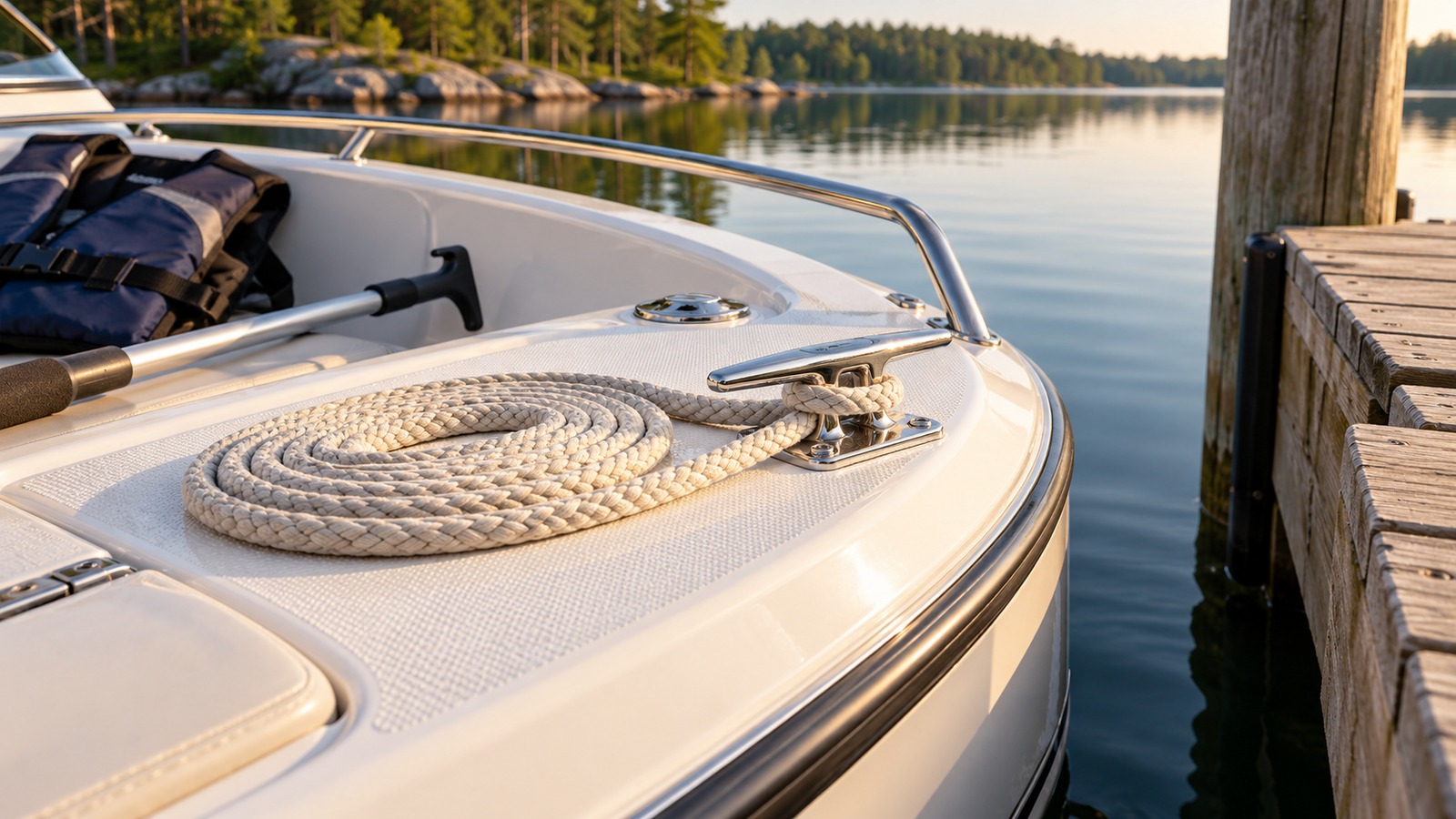
Ask a learner to explain a line arrangement before loading it. They should identify the intended strong points, the movement being controlled, the route of the line, and the areas people must avoid. Practice suitable knots and hitches unloaded before using them for real boat restraint. A neat knot applied to unsuitable hardware is not a sound solution. Inspect the complete system, including chafe and release needs. This approach develops understanding of force and purpose rather than a collection of memorized rope shapes.
Include a release discussion as part of the rope exercise. Ask how the arrangement will be changed safely if the wind loads it or the water level alters. A line that can be tied confidently still needs a suitable method for inspection and adjustment. Keep fingers away from pinch points and do not assume a loaded rope can be freed casually. Understanding those limits helps the crew avoid improvising around tensioned equipment during a real arrival or departure.
Practice Navigation as an Explained Decision
Choose a manageable route segment and ask the learner to identify position, intended direction, relevant hazards, and the next useful observation. Compare chart information with the actual setting. Check units, references, and display settings that affect the interpretation. The learner should explain why the selected water is suitable for the boat, rather than merely point to an automatic route. Qualified instruction can expose assumptions that otherwise remain hidden behind a confident use of electronics.
Introduce a harmless discrepancy through discussion rather than disabling equipment underway. Ask what the crew would do if a marker did not match expectations, the main display lost power, or progress was slower than planned. Evaluate whether the response preserves safe space and uses appropriate independent information. Do not reward a guessed position that happens to be right. The method should be defensible and should recognize when further assistance or a changed route is needed.
Keep navigation and collision avoidance connected without confusing them. A route that uses suitable depth still requires awareness of traffic and the applicable rules. The exercise should leave the operator able to maintain lookout while receiving help from another crew member. Practice a brief handover of the current situation when changing who is steering or navigating. Include the last confirmed position, immediate hazards, intended leg, and any uncertainty. A handover fails if the incoming person must reconstruct the whole voyage while already responsible for control.
Use the debrief to distinguish knowledge, equipment, and communication problems. An unreadable screen needs a different remedy from misunderstood units or an unclear bearing report. Correct the actual cause before repeating the exercise. Record relevant settings and operational limits with the navigation plan. The BoatUS Foundation study guide provides a broad framework for the background knowledge that these practical navigation and handling exercises apply.
Ensure Communications Work Without a Personal Routine
Another responsible person should know how to identify the boat, establish its position, and request appropriate assistance using the equipment carried. Practice through a safe demonstration or training method rather than false emergency transmissions. Check that contact information, vessel details, and the relevant procedure can be found without your private phone notes. A useful communication plan considers the route’s coverage limits and power dependencies. It should remain usable when the primary operator is occupied with keeping the vessel safe.
Check the physical arrangement too. A radio that cannot be reached, a handset with an unknown control, or a phone dependent on a flat battery weakens the plan. Learn the manufacturer’s instructions and the appropriate official procedures for the equipment and waters. Keep any required identification or registration current. A training discussion can reveal that two devices share the same vulnerable source of power or connectivity. Address that dependency before describing the arrangement as independent backup communications.
Connect System Awareness With Early Decisions
Teach the crew to notice a changing engine indication, unexpected water, electrical smell, unusual vibration, or another departure from normal operation. The lesson is not that every passenger should attempt a repair. It is that an early factual report gives the operator time to assess the situation and seek appropriate help. Identify important shutoffs and controls through supervised familiarization while the boat is secure. Do not operate unknown systems merely to create a test. Know when stopping an activity is safer than continuing to diagnose it underway.
Discuss what happens when the boat can no longer complete its original plan. A diversion, early return, or assistance request can preserve options. Do not make success depend on repairing a fault at sea. Use realistic route and weather information to decide which alternatives remain suitable. If specialist inspection is needed, arrange it before returning the vessel to normal service. System awareness is valuable because it supports timely decisions, not because it turns every owner into a mechanic.
Include weather and crew condition in the same review. Fatigue, cold, heat, anxiety, and an unexpectedly difficult return can reduce the crew’s ability to perform otherwise familiar tasks. Look for changes rather than assuming the morning briefing describes the whole day. Ask whether the task should be shortened, reassigned, or stopped. A crew who can report limits without embarrassment gives the operator better information. Good seamanship makes those reports part of normal operation.
Review Performance Without Turning the Drill Into a Contest
Afterward, identify what worked, what remained unclear, and one specific change before the next attempt. Use observable facts such as a missed call, late equipment access, or an uncertain position reference. Avoid judging participants by speed alone. A rapid but unsafe line handoff is not a better result than a calm decision to reset. Keep records short enough to use. The next session should begin with a clear purpose drawn from the previous one, rather than repeating an elaborate scenario without correcting its main weakness.
Repeat important tasks until the method is dependable, then vary conditions gradually with appropriate instruction. Change one meaningful demand at a time so the effect can be understood. A skill that works with one familiar crew may need another briefing when guests join. A different boat needs its own handling and system familiarization. Essential seamanship is the ability to prepare, observe, communicate, and act together within known limits. Controlled practice makes that ability visible before a difficult situation asks the crew to rely on it.